
Before you try anything for snoring, run this quick checklist:
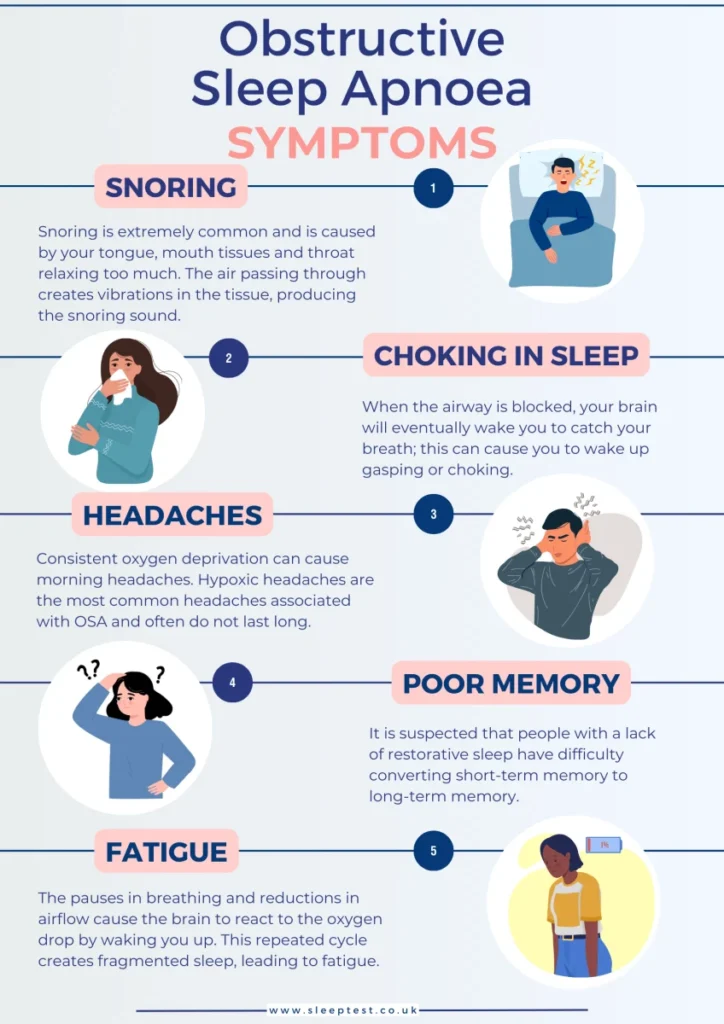
- Screen for red flags: choking/gasping, witnessed pauses in breathing, morning headaches, high blood pressure, or severe daytime sleepiness.
- Check the “nose factor”: congestion, allergies, dry air, or frequent mouth-breathing.
- Review your week: travel fatigue, late meals, alcohol, and burnout-level stress can all make snoring louder.
- Know your goal: quieter nights, fewer wake-ups, better energy, or fewer “sleep divorce” jokes.
- Pick one change at a time so you can tell what actually helped.
Overview: Why snoring is trending again (and why it matters)
Snoring has become a recurring topic in sleep circles for a reason. People are buying sleep gadgets, tracking scores, and swapping “my partner’s snore could power a leaf blower” stories. At the same time, workplace burnout and packed travel calendars keep pushing sleep to the edge.
Snoring can be a simple vibration problem. It can also be a sign you’re not breathing smoothly at night. Either way, the common outcome is the same: fragmented sleep and cranky mornings.
One theme in recent health coverage is the nose and airflow. For example, headlines have highlighted nasal approaches in kids with sleep-related breathing symptoms. If you want a starting point for that broader conversation, see Saline nasal spray found to ease sleep apnea symptoms in children. Keep in mind: kids are not small adults, and snoring in children needs clinician-guided screening.
Timing: When to test changes (and when to stop and get checked)
Pick a two-week window when your schedule is fairly normal. If you’re in the middle of a red-eye flight week, your results will be messy. Travel fatigue can mimic “my snoring got worse” when the real issue is simply less sleep and more back-sleeping.
Get medical screening sooner if you notice breathing pauses, gasping, chest discomfort at night, or dangerous sleepiness while driving. Also check in if you’ve tried basic steps and nothing changes.
Supplies: What to gather before you start
- A simple log (notes app works): bedtime, wake time, alcohol, congestion, and how you felt in the morning.
- Phone audio recording (optional): a few nights of baseline snoring sound can be eye-opening.
- Nasal comfort basics: hydration habits, humidity support if your room is dry, and allergy routines if relevant.
- Cleaning basics if you try a mouthpiece: a case, mild cleaner, and a consistent rinse routine.
If you’re specifically comparing devices, focus on comfort and fit. You can browse anti snoring mouthpiece to see common styles and what they’re designed to do.
Step-by-step (ICI): Identify → Choose → Implement
1) Identify your likely snoring pattern
Use two clues: position and nose vs mouth. If snoring ramps up on your back, airway collapse may be more likely. If you wake with a dry mouth, mouth-breathing could be a driver.
Also consider timing. Snoring that spikes after alcohol, heavy late meals, or extra stress points to lifestyle triggers. That’s common during burnout seasons and work travel.
2) Choose one lever to pull first
Don’t stack five “fixes” at once. It feels productive, but it ruins your ability to learn what worked.
- If congestion is obvious: prioritize nasal comfort and airflow habits.
- If jaw position seems involved (snoring worse on your back, improved when you shift your jaw): an anti snoring mouthpiece may be worth testing.
- If you’re chronically short on sleep: aim for a consistent sleep window first. A mouthpiece can’t replace sleep time.
3) Implement with a safety-first plan
Night 1–3: Baseline. Keep routines steady. Record notes on snoring, wake-ups, and morning energy.
Night 4–10: Add your single change. If that change is a mouthpiece, prioritize comfort. A device that hurts your jaw is not a win, even if it’s quieter.
Night 11–14: Confirm. Stick with the same plan and look for a pattern: fewer awakenings, less partner disturbance, and better daytime focus.
Document what you did. This helps if you later talk with a dentist or sleep clinician. It also reduces the “I tried everything” spiral when you actually tried three things for two nights each.
Mistakes that waste money (or make sleep worse)
Chasing gadgets instead of basics
Sleep tech can be fun, and headlines keep the hype cycle going. Still, a new tracker won’t fix a cramped schedule, nightly alcohol, or untreated nasal issues.
Ignoring mouth and jaw warning signs
Mouthpieces should not cause sharp tooth pain, jaw locking, or worsening headaches. If those show up, stop and get professional guidance.
Assuming “no snore” equals “healthy sleep”
Some couples joke about finally sleeping apart and “solving” the snoring problem. Quiet can help relationships, but it doesn’t automatically mean breathing is stable or sleep is restorative. Pay attention to daytime sleepiness and mood, too.
Skipping the screening step
If snoring is loud and persistent, and especially if there are breathing pauses, treat it as a health signal. A mouthpiece can be part of a plan, not a substitute for evaluation when red flags exist.
FAQs
Can an anti snoring mouthpiece help everyone who snores?
No. Mouthpieces often help when snoring is linked to jaw/tongue position, but they may not help if congestion, alcohol, or a medical sleep disorder is the main driver.
How fast should a mouthpiece change my sleep quality?
Some people notice fewer wake-ups within a few nights, but it can take 1–2 weeks to adjust. Stop if you develop jaw pain, tooth pain, or headaches.
Is snoring the same as sleep apnea?
Not always. Snoring can be harmless, but loud snoring plus choking/gasping, daytime sleepiness, or witnessed pauses in breathing should be evaluated by a clinician.
What if my snoring is worse when I travel?
Travel fatigue, dry air, alcohol, and sleeping on your back can all increase snoring. Focus on hydration, nasal comfort, and consistent sleep timing when possible.
Can kids use anti-snoring mouthpieces?
Kids should not use adult anti-snoring mouthpieces unless a pediatric clinician specifically recommends a device. Snoring in children deserves medical screening.
Next step: pick a mouthpiece path you can actually stick with
If your checklist points to jaw position and you want a structured trial, start with a device designed for snoring and follow a clean, consistent routine. Comfort matters as much as “quiet.”
How do anti-snoring mouthpieces work?
Medical disclaimer: This article is for general education only and is not medical advice. Snoring can be linked to sleep apnea or other health conditions. If you have breathing pauses, choking/gasping, severe daytime sleepiness, chest pain, or concerns about a child’s snoring, seek evaluation from a qualified clinician.