
Snoring is suddenly everyone’s side quest. One person buys a new sleep tracker. Another tries a “viral” pillow. Meanwhile, the bedroom soundtrack stays the same.
Thesis: If snoring is wrecking sleep quality, a well-fitted anti snoring mouthpiece can be a practical tool—when you use it at the right time, with the right setup, and realistic expectations.
Quick overview: why snoring feels louder lately
Snoring isn’t new. What’s new is how often it shows up in conversation—burnout culture, travel fatigue, and “sleep optimization” gadgets made it a daily topic. Even relationship humor has shifted from “who stole the blanket?” to “who started the chainsaw?”
Recent roundups and reviews have also pushed mouthpieces back into the spotlight. You’ll see more talk about mandibular advancement devices (MAD-style mouthpieces) and whether they’re safe, legit, and worth trying.
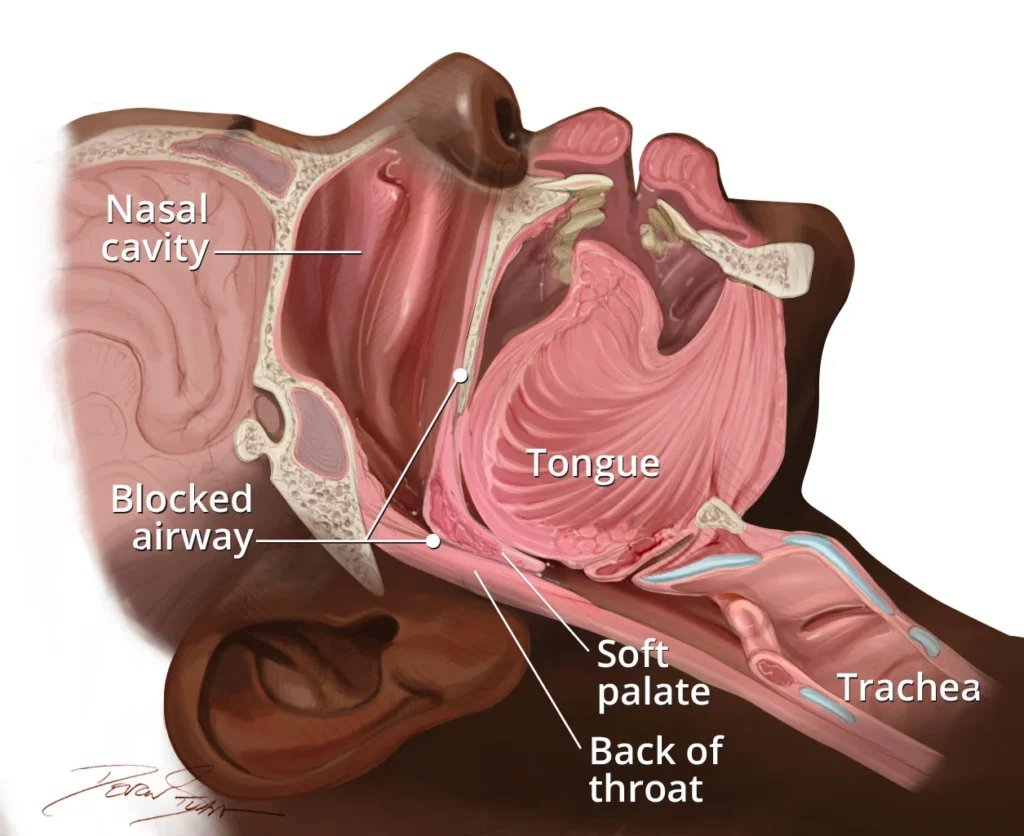
Snoring can be a simple vibration problem. Air squeezes through relaxed tissue, and the soft palate and throat structures vibrate. When that noise fragments sleep (yours or your partner’s), sleep health takes a hit.
Timing check: when a mouthpiece makes sense (and when it doesn’t)
Use timing as your filter. You’re not trying to “win” at gadgets. You’re trying to sleep.
Good time to consider an anti snoring mouthpiece
- You snore most nights, especially on your back.
- Your partner reports the snoring gets worse after alcohol, late meals, or travel.
- You wake with dry mouth, but your nose is usually clear enough to breathe through.
- You want a non-medication tool you can test at home.
Pause and get checked first
- You gasp, choke, or stop breathing during sleep (reported by a partner).
- You have significant daytime sleepiness, morning headaches, or high blood pressure concerns.
- You have severe jaw pain, loose teeth, or advanced dental issues.
Sleep isn’t optional, and current health conversations keep circling back to that point. If you want a general refresher on why sleep is a real biological “work shift,” see this related coverage: SleepZee Reviews 2026: Is It Safe and Legit? Clinical Analysis of This Mandibular Advancement Device.
Supplies: what you need before night one
Keep this simple. Comfort and consistency beat fancy accessories.
- Your mouthpiece (read whether it’s boil-and-bite and whether it’s adjustable).
- A mirror and good light for the first fitting.
- A toothbrush and mild soap or manufacturer-recommended cleaner.
- A ventilated case so it dries fully.
- Optional: a chinstrap if you’re a mouth-breather or your jaw drops open.
If you’re looking for a paired option, here’s a related product page: anti snoring mouthpiece.
Step-by-step (ICI): fit, comfort, positioning, cleanup
Think “ICI” as your repeatable loop: Insert, Check, Improve. Do it the same way for a week so you can tell what’s working.
1) Insert: set the fit without rushing
If your device is boil-and-bite, follow the exact heating time. Too hot can distort the shape. Too cool won’t mold well.
Seat it firmly. Aim for snug contact, not painful pressure. If the design advances the lower jaw, start with the least aggressive setting.
2) Check: confirm comfort and airway basics
- Bite test: Your bite should feel stable, not like you’re clenching to hold it in.
- Lip seal: Close your lips gently. If you can’t, the fit may be too bulky.
- Nasal breathing: Try slow breaths through your nose. If you can’t breathe through your nose at all, a mouthpiece may not be the main fix.
- Jaw feel: Mild “new” pressure can happen early. Sharp pain is a stop sign.
Give it 20–30 minutes while you’re awake on the first night. That reduces the “rip it out at 2 a.m.” problem.
3) Improve: small tweaks, not big jumps
If your device is adjustable, move in small increments and hold for a few nights. Big changes can trigger jaw soreness and make you quit.
Track simple outcomes. Did your partner nudge you less? Did you wake fewer times? Did you feel less dry-mouth? Those are usable signals.
4) Cleanup: keep it boring and consistent
Rinse after each use. Brush it gently with a soft brush and mild soap unless the manufacturer says otherwise. Let it air-dry fully in a case.
Skip harsh chemicals and hot water. Both can warp materials over time.
Mistakes that ruin results (even with a “good” mouthpiece)
Chasing a perfect first night
Adaptation matters. Your mouth and jaw need time. If you treat night one like a final exam, you’ll quit early.
Over-advancing the jaw
More forward isn’t always better. Too much advancement can cause jaw pain, tooth soreness, or morning bite changes.
Ignoring nasal issues
If your nose is chronically blocked, you may keep mouth-breathing and still snore. Addressing congestion and sleep environment can matter as much as the device.
Letting travel and burnout set the rules
Workplace burnout and frequent travel make routines messy. Pack the case, keep cleaning simple, and use the same insertion routine. Consistency is your advantage.
FAQ: quick answers people are searching for
Do anti-snoring mouthpieces work for everyone?
No. They often help when jaw/tongue position narrows the airway, but they aren’t universal.
How long does it take to get used to an anti snoring mouthpiece?
Often a few nights to a couple of weeks. Go slow and adjust gradually if possible.
Is snoring always harmless?
No. If you see gasping, choking, or major daytime sleepiness, get evaluated for sleep apnea.
Can a mouthpiece cause jaw pain or tooth soreness?
Yes. Mild soreness can happen early. Persistent or sharp pain means stop and ask a clinician or dentist.
What’s the difference between a mandibular advancement device and a boil-and-bite guard?
MAD-style devices position the lower jaw forward to help airflow. Over-the-counter options vary in fit and adjustability.
CTA: want the simple explanation first?
If you’re comparing options and want the basics in plain language, start here:
How do anti-snoring mouthpieces work?
Medical disclaimer: This article is for general education and does not provide medical advice. Snoring can be a symptom of obstructive sleep apnea or other conditions. If you have choking/gasping during sleep, significant daytime sleepiness, chest pain, or severe jaw/dental issues, seek evaluation from a qualified clinician or dentist.