
Before you try another viral sleep “hack,” run this quick checklist:
- Safety first: Are you considering mouth-taping, extreme gadgets, or anything that could block breathing?
- Snoring pattern: Is it occasional (travel, alcohol, a cold) or nightly and loud?
- Daytime impact: Morning headaches, brain fog, or dozing off in meetings?
- Bed partner reality: Are you both losing sleep, even if the snoring “seems better”?
- Next step: Do you need a home trial (routine + device) or a medical check?
Sleep is having a cultural moment. Wearables score it. Apps gamify it. Social feeds push quick fixes. Meanwhile, real life keeps disrupting it: travel fatigue, burnout weeks, and the classic relationship joke of “I love you, but I’m sleeping in the other room.”
This post breaks down what people are talking about right now, what actually matters for sleep health, and where an anti snoring mouthpiece can fit without turning your bedroom into a science experiment.
What’s trending right now (and why it’s tempting)
Snoring solutions are trending because they promise fast relief. A few themes keep popping up:
- Viral mouth-taping: It’s pitched as a simple way to “force” nasal breathing. Recent expert commentary has warned that this trend can be unsafe for some people, especially if nasal airflow is limited or sleep apnea is possible.
- Nose-first thinking: You’ll see more talk about nasal breathing, congestion, and how the nose filters and humidifies air. Some reports also discuss saline sprays and airway comfort in certain groups.
- Mandibular advancement devices (MADs): Reviews and “clinical analysis” style content about mouthpieces are circulating. People want to know what’s legit, what’s safe, and what’s just marketing.
- Sleep separation humor with a serious edge: Even when snoring improves, couples sometimes keep sleeping apart. The habit sticks. So does the resentment.
If you’re exhausted, it’s easy to chase the newest trick. A better plan is to match the tool to the cause.
What matters medically (without overcomplicating it)
Snoring happens when airflow gets turbulent and soft tissues vibrate. That can be influenced by nose congestion, sleep position, alcohol, anatomy, and jaw/tongue placement.
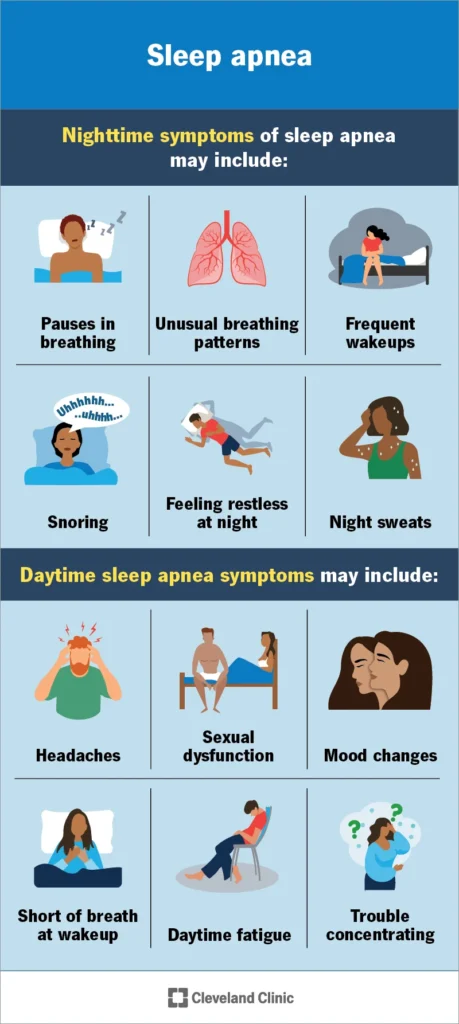
One line you shouldn’t ignore: snoring can overlap with sleep apnea. Sleep apnea involves repeated breathing interruptions during sleep. It’s not something you can diagnose by vibes, a partner’s guess, or a sleep score.
To stay grounded, watch for these higher-risk signals:
- Pauses in breathing, choking, or gasping sounds
- Very loud, habitual snoring (most nights)
- Unrefreshing sleep despite enough time in bed
- Morning headaches, dry mouth, or significant daytime sleepiness
- High blood pressure or other cardiometabolic concerns (discuss with your clinician)
If that list sounds familiar, prioritize medical evaluation over DIY experiments.
Why experts are wary of mouth-taping trends
Mouth-taping is often framed as “harmless.” In reality, it can become a problem if your nose isn’t reliably open all night or if you have undiagnosed sleep-disordered breathing. It may also create anxiety, which is a sneaky sleep killer by itself.
If you want a deeper look at what’s been circulating, see this related coverage: Scientists warn against viral nighttime mouth-taping trend.
How to try this at home: a practical, low-drama plan
You don’t need a dozen gadgets. You need a short trial that tells you something useful.
Step 1: Do a 7-night “snore + sleep quality” baseline
Keep it simple. Each morning, rate:
- Snoring impact: 0–10 (ask your partner if possible)
- Sleep quality: 0–10 (how restored you feel)
- Energy: 0–10 (midday check-in)
Add one note: travel, alcohol, congestion, or unusually high stress. Burnout weeks often show up here.
Step 2: Fix the “boring” stuff that moves the needle
- Side-sleep support: If you’re a back snorer, a pillow setup or positional trick can help.
- Alcohol timing: If you drink, earlier is better for many people’s snoring.
- Nasal comfort: If you’re congested, address the cause. Some people discuss saline approaches for comfort, but persistent symptoms deserve clinical guidance.
- Wind-down boundary: A short pre-sleep routine beats doomscrolling “sleep hacks” at midnight.
Step 3: Consider an anti snoring mouthpiece (when it fits)
If your snoring seems linked to jaw/tongue position, a mandibular advancement-style device may help by gently bringing the lower jaw forward to support airflow.
What to look for in a home trial:
- Comfort you can actually tolerate: A device only works if you wear it.
- Gradual adjustment: Many people do better easing into changes rather than forcing a big shift overnight.
- Clear cleaning routine: Simple is sustainable.
If you’re comparing options, start here: anti snoring mouthpiece.
Step 4: Re-test for 7 nights and compare
Use the same quick ratings. You’re looking for two wins: less snoring and better next-day function. If snoring drops but you feel worse, that’s important data.
When it’s time to seek help (don’t wait on these)
Home experiments have limits. Get clinical advice if any of these apply:
- Your partner notices breathing pauses, choking, or gasping
- You’re excessively sleepy during the day or nod off unintentionally
- You wake with chest tightness, severe headaches, or a racing heart
- Snoring is new and severe, especially with weight change or new medications
- You have jaw pain, significant dental issues, or TMJ concerns before using a mouthpiece
Medical disclaimer: This article is for general education and is not medical advice. Snoring can have different causes, including sleep apnea. For personalized guidance, diagnosis, or treatment, consult a licensed clinician or a sleep specialist.
FAQ: quick answers people want right now
Is it normal to snore more after travel?
It can happen. Dry hotel air, alcohol, unusual sleep positions, and disrupted schedules can all make snoring louder for a few nights.
If I track sleep with a wearable, can it tell if I have sleep apnea?
Wearables may flag patterns, but they don’t diagnose sleep apnea. If symptoms suggest apnea, ask a clinician about proper testing.
Can a mouthpiece replace CPAP?
It depends on the person and the diagnosis. Some people with sleep-disordered breathing may be candidates for oral appliances, but that decision belongs with a clinician.
Why do we still sleep apart even when snoring improves?
Separate sleep can become a routine. Rebuilding trust in quiet nights often takes time, plus consistent changes that both partners believe will stick.
Next step: get a clear answer fast
If you want a practical overview before you buy anything, start with the basics and focus on comfort, consistency, and safety.