
Myth: Snoring is just an annoying noise—no big deal.
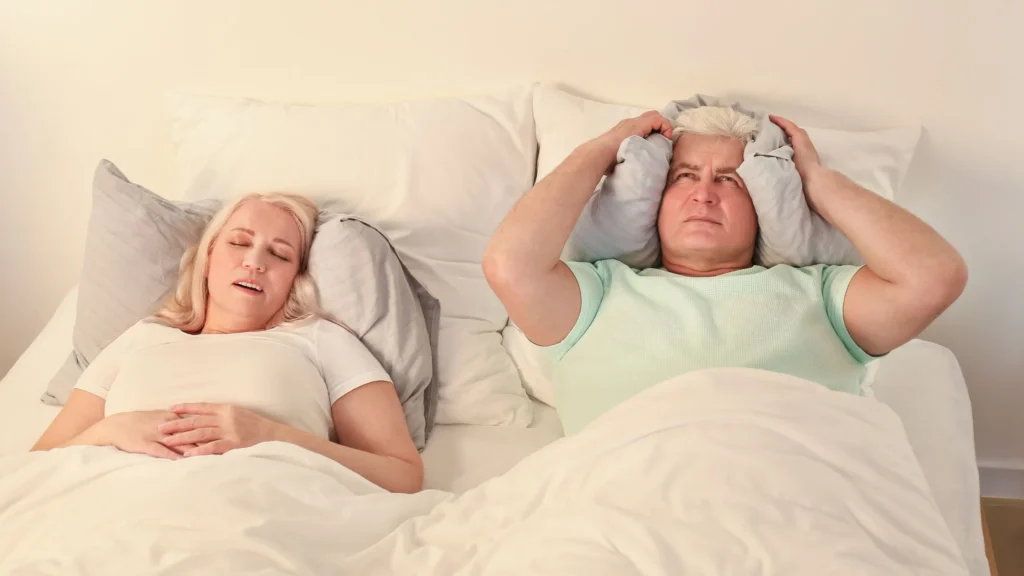
Reality: Snoring can be a nightly signal that your sleep quality is slipping. It can also turn bedtime into a relationship negotiation. If you’ve seen the current wave of sleep gadgets, “restorative sleep” routines, and burnout talk, you’re not imagining it. People are chasing better mornings because they’re tired of feeling tired.
First, what snoring is really doing to your night
Snoring often happens when airflow is partially blocked and tissues vibrate. Sometimes it’s situational (travel fatigue, congestion, alcohol, back sleeping). Other times, it sticks around and starts affecting mood, focus, and patience—especially when a partner is counting your snores instead of sheep.
Snoring also overlaps with more serious sleep-breathing issues for some people. If you suspect that, don’t self-diagnose. Use the red-flag section below and talk with a clinician.
The “if…then…” decision guide (quick, no fluff)
If your partner complains more than you do…then start with communication + a 7-night test
Snoring is social. It’s also emotional. A simple agreement helps: pick one week, test one change at a time, and check in each morning without blame.
During the test, track two things: (1) how refreshed you feel and (2) how disrupted your partner felt. That’s your baseline.
If snoring spikes after travel, late nights, or “always-on” work weeks…then fix the easy levers first
Recent sleep coverage keeps circling the same theme: small habits can move the needle when you’re running on fumes. For many people, consistency beats novelty.
- Keep a steady wake time for a few days (even after a bad night).
- Limit alcohol close to bedtime if it reliably worsens snoring.
- Address nasal stuffiness when it’s clearly part of the picture.
- Try side-sleeping if snoring is worse on your back.
These aren’t magic tricks. They’re the boring basics that make other solutions work better.
If you snore most nights and it’s hurting sleep quality…then an anti snoring mouthpiece may be worth a trial
An anti snoring mouthpiece is designed to reduce snoring by changing oral or jaw position to support airflow. Many people look at them after they’ve tried “sleep hack” gadgets and still wake up drained.
What to look for in a practical trial:
- Comfort: If you can’t tolerate it, it won’t help long-term.
- Fit: A stable fit matters more than fancy features.
- Feedback: Your partner’s report is useful data, not a verdict.
If you’re comparing choices, start with a plain-language overview of anti snoring mouthpiece and narrow it down based on comfort and fit preferences.
If you wake up with jaw pain, tooth pain, or headaches…then pause and reassess
Mild adjustment discomfort can happen, but sharp pain isn’t something to push through. Fit issues, bite concerns, or underlying dental problems may need professional input.
If there are sleep apnea warning signs…then skip the guessing and get evaluated
Snoring can be harmless, but it can also show up alongside symptoms that deserve medical attention. Consider talking to a clinician if you notice:
- Gasping, choking, or witnessed pauses in breathing
- Significant daytime sleepiness or dozing off unintentionally
- Morning headaches, dry mouth, or mood changes that persist
- High blood pressure or other risk factors you’ve been told to watch
For broader context on sleep-health discussions and restorative sleep trends, you can scan Integrative Nutrition Health Coach and Certified Meditation Practitioner, Melissa Lainn shares the secrets to restorative sleep.
Make it relationship-proof: a simple “sleep truce” plan
Snoring arguments usually aren’t about the sound. They’re about resentment, lost sleep, and feeling unheard. A truce helps both people stay on the same team.
- Pick a shared goal: “We both get better sleep this week.”
- Choose one change: Side-sleeping, earlier wind-down, or a mouthpiece trial.
- Use neutral language: “I noticed…” beats “You always…”
- Re-check in: After 7 nights, decide what stays and what goes.
FAQ: quick answers people ask right now
Is snoring getting more attention because of sleep tech?
Yes. Trackers, apps, and “smart” sleep gadgets make snoring easier to notice and measure. That can be helpful, but it can also create anxiety. Use data to guide decisions, not to obsess.
Can meditation or relaxation help with snoring?
Relaxation practices may support better sleep quality and stress recovery. They won’t fix every cause of snoring, but they can improve the overall sleep setup—especially during high-stress seasons.
CTA: explore options without overcomplicating it
If your snoring is frequent, your partner is losing sleep, and you want a practical next step, start by learning how mouthpieces are designed to help.
How do anti-snoring mouthpieces work?
Medical disclaimer: This article is for general education and does not provide medical advice, diagnosis, or treatment. If you have symptoms that could suggest sleep apnea (such as choking/gasping, breathing pauses, or severe daytime sleepiness), or if a mouthpiece causes pain, speak with a qualified clinician or dental professional.