
Snoring has become a group project. It shows up in relationship jokes, travel “sleep hacks,” and the latest wave of sleep gadgets.
Meanwhile, burnout culture keeps pushing people to “optimize” nights like a productivity app.
If snoring is dragging down your sleep quality, an anti snoring mouthpiece can be a practical option—but it works best when you match it to the right kind of snoring.
Overview: why snoring feels like a bigger deal lately
More people are paying attention to sleep health. You see it in wearable sleep scores, smart alarms, and endless bedside devices that promise quieter nights.
There’s also a growing mainstream interest in dental approaches for sleep-related breathing problems. You may have noticed more chatter about oral appliances and other therapies that involve the mouth and jaw.
At the same time, many health sources keep reminding readers that snoring can be harmless—or a sign you should get checked for sleep apnea. If you’re unsure where you land, start with reputable background info like What dental therapies are cropping up for sleep disorders?.
Timing: when to try a mouthpiece vs. when to pause
Timing matters because snoring isn’t always “your normal.” It often spikes with context—late nights, travel fatigue, stress, alcohol, or allergies.
Try a mouthpiece when snoring is steady and pattern-based
An anti snoring mouthpiece is most often considered when snoring happens most nights, especially when you sleep on your back or wake with a dry mouth. It’s also a common next step when simple changes (side sleeping, earlier bedtime, reducing alcohol) didn’t make a dent.
Hit pause and get evaluated when red flags show up
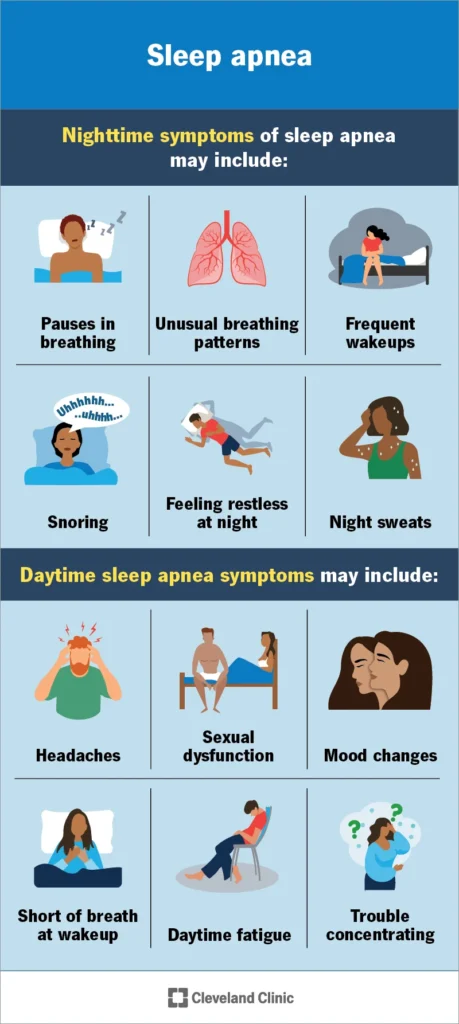
Snoring plus any of the signs below is a reason to talk with a clinician:
- Gasping, choking, or witnessed breathing pauses
- Morning headaches or high daytime sleepiness
- High blood pressure or heart risk factors (ask your clinician what applies)
- Falling asleep at unsafe times (driving, meetings, etc.)
Also note: sleep-breathing discussions increasingly include nasal health. Some recent reporting has highlighted simple nasal comfort measures (including saline approaches in kids under medical supervision). The takeaway for adults is general: if your nose is chronically blocked, a mouthpiece alone may not be the whole story.
Supplies: what you actually need for a smarter trial
You don’t need a drawer full of gadgets. You need a short list that helps you judge results.
- A way to track change: a quick sleep log, partner feedback, or a snore-recording app (trends matter more than one night).
- Basic nasal support: whatever keeps your nose comfortable at night (hydration, humidity, clinician-approved options).
- The right mouthpiece style: many people look at mandibular advancement devices (MADs), which move the lower jaw forward slightly.
- Optional add-on: a chin strap can help some mouth-breathers keep the mouth closed, depending on comfort and fit.
If you’re shopping, here’s a relevant option to compare: anti snoring mouthpiece.
Step-by-step (ICI): a simple way to test an anti snoring mouthpiece
Use this ICI flow to keep it easy: Identify the pattern, Choose a fit strategy, and Iterate based on what you learn.
I — Identify your snoring pattern (3 nights)
Before you change anything, get a baseline. Note bedtime, alcohol intake, congestion, sleep position, and how you feel in the morning.
If you share a bed, ask for a simple rating: “quiet / some snoring / loud.” Keep it light. A little relationship humor helps; blame the “sleep economy,” not each other.
C — Choose the right setup (comfort first)
If you suspect jaw/tongue position plays a role, an anti snoring mouthpiece that advances the lower jaw may help reduce tissue collapse and vibration for some people. Fit and comfort matter more than hype.
Start on a lower setting if adjustable. Don’t chase maximum advancement on night one. Your goal is “effective and wearable,” not “heroic.”
I — Iterate for 10–14 nights (small changes only)
Give your body time to adapt. Make one change at a time, such as:
- Adjusting the mouthpiece slightly (if the design allows)
- Adding side-sleep support (pillow placement)
- Improving nasal comfort on congested nights
Re-check the outcomes you care about: fewer snores, fewer wake-ups, better morning energy, and less “sleep hangover” during busy work weeks.
Mistakes that waste money (and sleep)
Expecting a mouthpiece to fix everything overnight
Snoring is multi-factorial. A mouthpiece can be a strong tool, but it won’t erase the effects of a 2 a.m. doom-scroll, a red-eye flight, and two drinks.
Ignoring jaw pain, tooth soreness, or bite changes
Some discomfort can happen early. Persistent pain, bite changes, or dental issues deserve a pause and professional advice.
Masking possible sleep apnea
If you have red flags, don’t self-manage indefinitely. Snoring can be the noise on top of a bigger sleep-breathing issue.
Going all-in on gadgets instead of basics
Wearables and smart pillows can be fun, but basics move the needle: consistent sleep window, less late alcohol, and a bedroom that supports breathing (cool, dark, and not too dry).
FAQ
Do anti-snoring mouthpieces work for everyone?
No. They tend to help most when jaw position and tongue collapse contribute to snoring.
Is loud snoring always sleep apnea?
No, but it can be associated. If you see breathing pauses, gasping, or major daytime sleepiness, get evaluated.
What if my nose is always blocked at night?
Address nasal comfort alongside any mouthpiece trial. Chronic congestion can push mouth breathing and worsen snoring.
Can I use a mouthpiece if I grind my teeth?
Maybe, but fit and jaw comfort matter. Teeth grinding can complicate appliance comfort, so consider dental guidance.
CTA: take the next step (without overthinking it)
If snoring is disrupting your sleep quality, start with a short, trackable trial and prioritize comfort. Choose a mouthpiece that matches your likely snoring pattern, and watch for red flags that require medical input.
How do anti-snoring mouthpieces work?
Medical disclaimer: This article is for general education only and is not medical advice. Snoring can be a sign of obstructive sleep apnea or other health conditions. If you have breathing pauses, choking/gasping, chest pain, severe daytime sleepiness, or persistent symptoms, seek evaluation from a qualified clinician or dentist trained in sleep medicine.