
Is your snoring getting louder—or just more noticeable? Are sleep gadgets and “restorative sleep” trends making you wonder what actually works? And if you’re already trying something (even CPAP), why are you still hearing the buzzsaw?
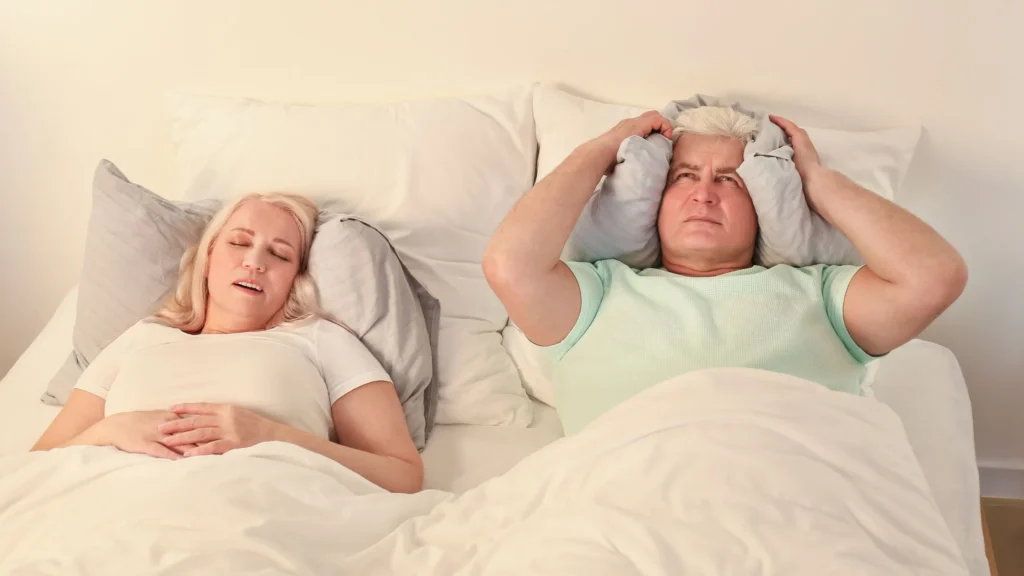
Let’s answer those questions with a grounded, practical look at sleep quality, snoring, and where an anti snoring mouthpiece fits. You’ll also see what people are talking about right now: burnout clues, travel fatigue, and the relationship jokes that stop being funny at 3 a.m.
Why does snoring mess with sleep quality so much?
Snoring isn’t just “noise.” It can signal airflow resistance and fragmented sleep. Even when you don’t fully wake up, micro-arousals can leave you feeling foggy and short-tempered.
This is why snoring shows up in the same conversations as workplace burnout and recovery routines. People try trackers, white noise, mouth tape, nasal strips, and fancy pillows. The goal is simple: fewer interruptions, deeper sleep, better mornings.
Common snoring triggers people overlook
- Sleep position: Back sleeping can encourage the jaw and tongue to fall back.
- Nasal congestion: When your nose feels blocked, you may mouth-breathe and vibrate more tissue.
- Alcohol or heavy meals late: Both can worsen relaxation and airway crowding.
- Travel fatigue: Dry hotel air, weird pillows, and irregular schedules can amplify snoring.
What does an anti snoring mouthpiece actually do?
Most anti-snoring mouthpieces aim to improve airflow by changing position. The basic idea is mechanical, not mystical. If your snoring is related to how your jaw or tongue sits during sleep, repositioning can reduce vibration.
Two common approaches (in plain English)
- Jaw-forward style (MAD): Encourages the lower jaw to sit slightly forward to open space.
- Tongue-positioning style (TRD): Helps keep the tongue from falling back.
People like mouthpieces because they’re simple and portable. They also fit the “sleep gadget” moment without requiring a whole bedside setup.
Why would someone still snore with CPAP?
This question keeps showing up in sleep conversations. It’s also the premise behind recent coverage from a major sleep-education source. If you want a quick overview of that discussion, see Still Snoring With a CPAP Machine?.
In general terms, snoring on CPAP can happen for reasons that don’t automatically mean “the therapy failed.” Mask fit, air leaks, mouth breathing, nasal blockage, and sleep position can all play a role.
Important: If you use CPAP and you’re still snoring, don’t self-diagnose or start stacking devices without guidance. A clinician can help you check settings, fit, and comfort.
How do you pick a mouthpiece that won’t end up in a drawer?
Let’s be honest: a lot of “sleep hacks” die because they’re annoying. Mouthpieces are no exception. Comfort and consistency matter as much as the concept.
Use this comfort-first checklist
- Fit: A secure fit reduces slipping and drool. Too tight feels claustrophobic.
- Jaw position: More forward isn’t always better. Start conservatively when possible.
- Breathing style: If you often mouth-breathe, a chinstrap can help some people keep lips closed.
- Materials and edges: Rough edges irritate gums fast. Smooth finish matters.
If you’re comparing options, you can look at an anti snoring mouthpiece to see how a paired approach is set up.
What’s the “ICI” routine: insert, comfort-check, and improve?
Think of this as the low-drama way to make a mouthpiece more wearable.
1) Insert (consistently)
Use it the same way each night. Consistency makes it easier to notice what’s working and what’s not. If you only wear it “sometimes,” comfort never stabilizes.
2) Comfort-check (before lights out)
Do a quick scan: jaw tension, gum pressure, and lip seal. If something feels off at minute one, it won’t feel better at hour three.
3) Improve (small tweaks, not big swings)
Adjust one variable at a time. Try a different pillow height. Test side-sleeping support. Address nasal stuffiness with basic hygiene and hydration.
Also, don’t ignore the obvious: if your partner is elbowing you awake, you’re both sleeping poorly. Relationship humor is fun on social media, but it’s a real quality-of-life issue.
How should you clean and store a mouthpiece?
Cleanup is where many people fall off. Keep it simple.
- Rinse after use.
- Brush gently with mild soap.
- Let it dry completely before storing.
- Avoid heat if your device can warp.
Quick win: store it where you’ll see it. If it disappears into a drawer, it stops existing.
When is snoring a bigger health conversation?
Snoring can be benign. It can also be a clue. Sleep apnea is one reason clinicians take persistent snoring seriously, especially when paired with daytime sleepiness, gasping, or morning headaches.
There’s also ongoing interest in simpler supports for breathing comfort, including basic nasal care in certain contexts. Headlines have discussed saline nasal spray research in children with sleep-disordered breathing. That doesn’t mean it’s a cure-all, and it doesn’t translate directly to adults. It does highlight a theme: airway comfort matters.
Medical disclaimer: This article is for general education only and isn’t medical advice. Snoring and suspected sleep apnea should be evaluated by a qualified clinician, especially if you have choking/gasping, significant daytime sleepiness, or cardiovascular concerns.
FAQs (quick answers)
Can an anti snoring mouthpiece help if I snore most nights?
It may help when snoring is tied to jaw or tongue position. If congestion or another condition is driving it, results can vary.
Why would someone snore even while using CPAP?
Leaks, mask fit, mouth breathing, nasal blockage, and sleep position can contribute. A clinician can help troubleshoot safely.
Is snoring the same thing as sleep apnea?
No. Snoring is common and can occur without apnea. Only testing can confirm sleep apnea.
How long does it take to get used to a mouthpiece?
Many people need an adjustment period. Comfort-focused fit and consistent use help.
What’s the easiest way to clean an anti-snoring mouthpiece?
Rinse, gently brush with mild soap, and air-dry fully. Skip hot water unless the manufacturer says it’s safe.