
Myth: Snoring is just an annoying sound and doesn’t affect your health.
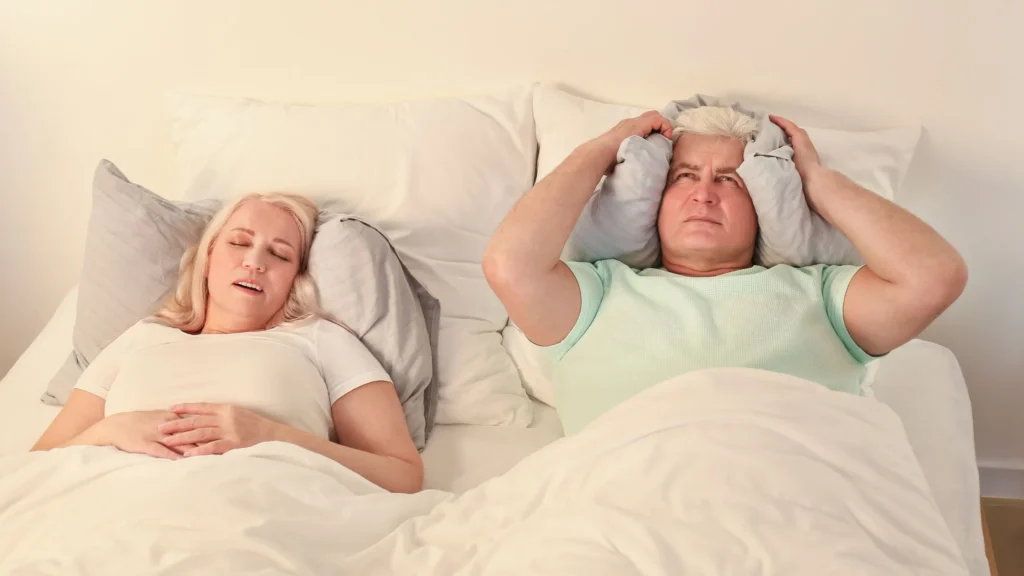
Reality: Snoring often shows up alongside fragmented sleep, morning fatigue, and cranky “why am I still tired?” days. It can also be a clue that your breathing is struggling at night.
Right now, sleep is having a moment. People are swapping gadget reviews, trying “one simple tip” routines, and joking about relationship peace treaties over who gets elbowed at 2 a.m. If you want a budget-friendly path that doesn’t waste a month of trial-and-error, start here.
What people are talking about right now (and why)
Sleep trends are leaning practical. You’ll see everything from wearables and smart alarms to minimalist advice that claims to fix morning fatigue with one small change. That vibe makes sense. Travel fatigue is up, burnout is real, and nobody wants another complicated project at bedtime.
In the background, the bigger conversation is getting louder: snoring can overlap with sleep apnea, and some people even report still snoring while using CPAP. That has pushed more attention toward fit, comfort, and alternatives—especially oral appliances like an anti snoring mouthpiece.
If you want a quick read on the “simple tip” style approach people keep sharing, see this related coverage: Still Snoring With a CPAP Machine?.
What matters medically (without the scary rabbit hole)
Snoring happens when airflow meets resistance and tissues vibrate. The “why” varies. For many people it’s a mix of anatomy, sleep position, alcohol or sedatives, nasal congestion, and weight changes.
Here’s the key: snoring can be harmless, but it can also sit on the same spectrum as obstructive sleep apnea (OSA). OSA is a breathing disorder where airflow gets repeatedly reduced or blocked during sleep. You don’t need to self-diagnose. You do need to recognize red flags.
Signs snoring may be more than “just snoring”
- Pauses in breathing, choking, or gasping during sleep (often noticed by a partner)
- Morning headaches, dry mouth, or sore throat
- Strong daytime sleepiness, brain fog, or irritability
- High blood pressure or heart risk factors (ask your clinician)
Also, kids are different. Nasal issues can play a role in pediatric sleep-disordered breathing, and some recent reporting has discussed saline nasal spray as a supportive step for children with symptoms. That’s not a DIY diagnosis, though—children should be assessed by a pediatric clinician when sleep apnea is suspected.
What you can try at home first (low-cost, low-regret)
Before you buy anything, run a short, simple experiment for 7–10 nights. Keep it boring. Boring is what works.
1) Change position (the cheapest lever)
Back-sleeping often worsens snoring because gravity pulls the jaw and tongue backward. Side-sleeping can reduce it for many people. If you always end up on your back, try a pillow setup that makes side-sleeping easier.
2) Treat the “clogged nose” nights
Nasal congestion can increase resistance and make snoring louder. Consider humidification, allergy control, or a simple saline rinse/spray if that’s appropriate for you. If you rely on decongestant sprays, be careful—rebound congestion can become its own problem.
3) Time alcohol and heavy meals earlier
Alcohol relaxes airway muscles and can make snoring more likely. Large late meals can also disrupt sleep. If you want a realistic goal, move drinks and heavy food earlier in the evening and see what changes.
4) Do a quick “sleep quality audit”
Sleep gadgets are everywhere, but you don’t need a new device to spot patterns. Write down: bedtime, wake time, perceived sleep quality, and whether snoring was reported. After a week, you’ll know if a change is helping.
Where an anti snoring mouthpiece can help (and when it won’t)
An anti snoring mouthpiece is usually designed to hold the lower jaw slightly forward (often called a mandibular advancement device). That forward position can reduce airway collapse for certain people. It’s a common “middle path” option: more targeted than lifestyle tweaks, less complex than many setups.
Good candidates (often)
- Snoring that’s worse on your back
- Snoring tied to jaw/tongue position (partner reports “it changes when you shift”)
- People who want a portable option for travel nights
Situations where a mouthpiece may not be enough
- Significant nasal obstruction that’s the main driver
- Suspected sleep apnea that hasn’t been evaluated
- Jaw pain, untreated dental issues, or poor tolerance to oral devices
How to avoid wasting a cycle (fit and expectations)
Most frustration comes from two things: poor fit and unrealistic expectations. A mouthpiece shouldn’t feel like a torture device. Mild adjustment discomfort can happen early, but sharp pain is a stop sign.
If you’re comparing options, start with reputable, clearly explained designs and policies. Here are anti snoring mouthpiece to review in one place.
When to seek help (so you don’t miss something important)
If your partner reports breathing pauses, or if you’re falling asleep at work, while driving, or during quiet moments, move this up your priority list. The same goes for high blood pressure, heart risk factors, or persistent morning headaches.
Already using CPAP and still snoring? That can happen. Mask fit, leaks, pressure settings, and sleep position all matter. A sleep clinician can help troubleshoot and decide whether an oral appliance or another adjustment fits your situation.
FAQ: quick answers people want
Do anti-snoring mouthpieces work for everyone?
No. They tend to help when snoring is related to jaw or tongue position, but they may not help if snoring is driven by nasal blockage or untreated sleep apnea.
Is loud snoring always sleep apnea?
Not always, but loud snoring plus choking/gasping, pauses in breathing, or heavy daytime sleepiness should be evaluated for sleep apnea.
Can you use a mouthpiece if you have a CPAP?
Some people still snore on CPAP or struggle with comfort. A clinician can help you check mask fit, pressure settings, and whether an oral appliance is appropriate.
How long does it take to get used to a mandibular advancement mouthpiece?
Many people adapt over several nights to a few weeks. Mild jaw or tooth soreness can happen early on; persistent pain is a reason to stop and get advice.
What’s the simplest sleep change to try before buying anything?
Start with basics: consistent sleep/wake times, side-sleeping, and reducing alcohol close to bedtime. These are low-cost and often make snoring less intense.
Bottom line: pick the simplest next step
If you’re in the “I’m tired, my partner’s annoyed, and I don’t want a complicated project” camp, do this in order: try position + nasal support + timing changes first, then consider a mouthpiece if snoring still wins.
How do anti-snoring mouthpieces work?
Medical disclaimer: This article is for general information only and isn’t medical advice. Snoring can be a sign of sleep apnea or other conditions. If you have breathing pauses, severe daytime sleepiness, chest pain, or concerns about a child’s sleep, seek care from a qualified clinician.