
On the last night of a work trip, an anonymous traveler does the same ritual: hotel blackout curtains, white-noise app, a “smart” sleep ring charging on the nightstand. Ten minutes after lights out, the snoring starts. Their partner records it “for evidence,” then jokes they’ll expense separate rooms next time.
That’s the vibe right now. Sleep is a status symbol, burnout is everywhere, and snoring is the unglamorous problem nobody wants to own. Let’s cut through the noise and talk about sleep quality, what snoring can mean, and where an anti snoring mouthpiece can be a practical move.
What people are talking about right now (and why it matters)
Sleep content is having a moment: simple tips that claim to fix morning fatigue, wearable scores, and “restorative” routines that blend breathing, meditation, and nutrition. Meanwhile, snoring keeps showing up in conversations because it’s disruptive, embarrassing, and weirdly common.
Another trend: people asking why snoring can continue even when they’re already using serious gear like CPAP. That question usually points to basics—fit, leaks, nasal blockage, and mouth breathing—rather than a single magic fix.
Parents are also seeing headlines about low-cost approaches for breathing issues during sleep, like using saline to ease nasal congestion in children. The takeaway isn’t “DIY a medical plan.” It’s that airflow matters, and small barriers in the nose can change sleep.
If you want a general, mainstream rundown of snoring tactics that’s been circulating in gadget-and-health circles, start with Still Snoring With a CPAP Machine? and then come back here for the practical mouthpiece angle.
What actually affects sleep quality (the medical-adjacent essentials)
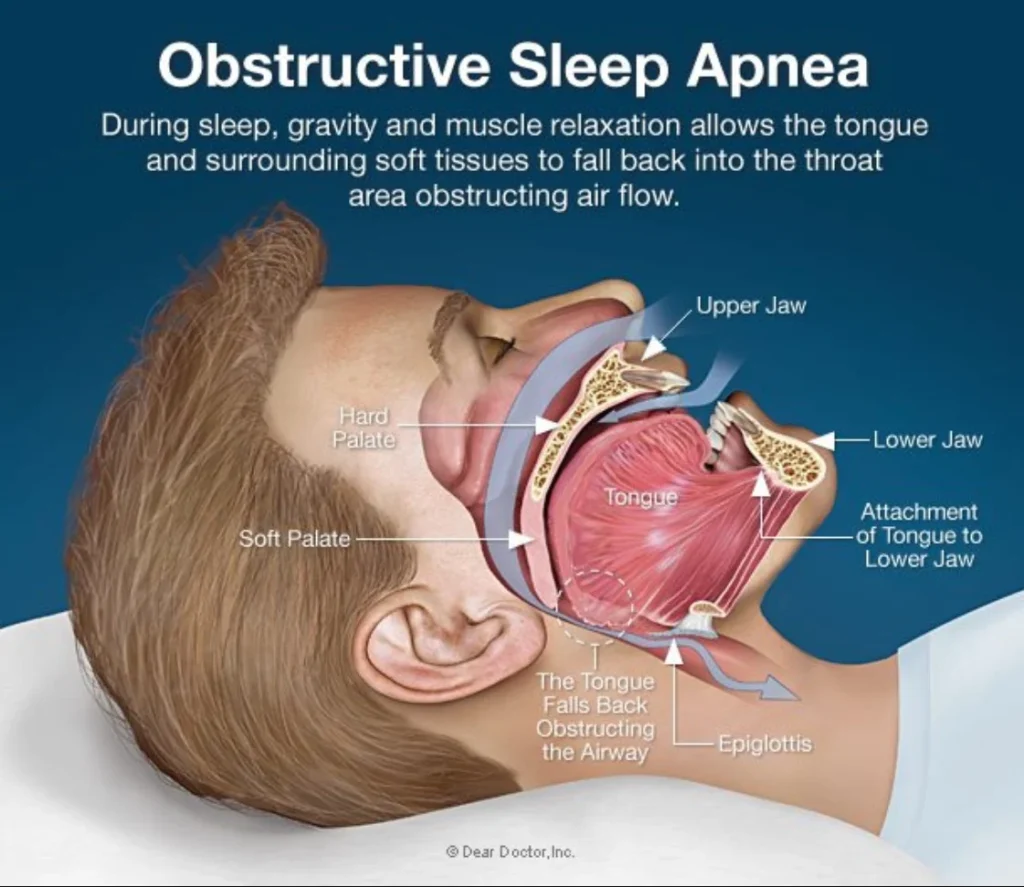
Snoring happens when airflow makes relaxed tissues vibrate. That can spike when you’re overtired, congested, sleeping on your back, or drinking alcohol close to bed. Travel fatigue and late-night work are basically a snoring recipe.
Snoring is also a relationship problem, not just a health topic. If your partner keeps waking you up (or moving to the couch), your sleep becomes fragmented. Fragmented sleep can leave you foggy even if you technically got “enough hours.”
Important distinction: snoring can be harmless, but it can also show up alongside sleep apnea. Sleep apnea is a medical condition where breathing repeatedly slows or stops during sleep. If you suspect that, don’t treat a mouthpiece like a diagnosis or a cure.
What you can try at home this week (without wasting a cycle)
Think of this as a budget-friendly ladder. Start with the cheapest steps and only add complexity if you need it.
Step 1: Reduce the “easy” snore triggers
- Side-sleeping: Back-sleeping can worsen vibration for many people.
- Alcohol timing: Alcohol near bedtime relaxes airway muscles more.
- Nasal airflow: If you’re stuffy, address congestion with simple, safe measures you tolerate (and follow product labels).
Step 2: Sanity-check your sleep setup
- Bedroom temperature: Overheating can worsen restlessness and mouth breathing.
- Pillow height: Extreme neck angles can make breathing feel harder.
- Consistent wake time: A stable wake time often helps more than obsessing over bedtime.
Step 3: Consider an anti-snoring mouthpiece (when the pattern fits)
If snoring seems positional and your partner says it’s worse on your back, a mouthpiece may be worth testing. Many anti-snoring mouthpieces aim to gently reposition the lower jaw forward to reduce airway collapse and vibration.
Keep expectations realistic. A mouthpiece is not the same thing as CPAP, and it’s not a substitute for medical care when symptoms suggest sleep apnea. It can be a practical tool when your main problem is disruptive snoring and you want an at-home option.
If you’re comparing options, start here: anti snoring mouthpiece.
Step 4: Track outcomes like an adult
Skip the obsession. Do a simple 7-night check-in: bedtime, alcohol timing, sleep position, and whether your partner noticed snoring. If you use a wearable, treat the score as a clue, not a verdict.
When to stop experimenting and get medical help
Don’t “hack” your way around warning signs. Talk to a clinician if you notice any of the following:
- Choking, gasping, or pauses in breathing during sleep
- Excessive daytime sleepiness, morning headaches, or concentration problems
- High blood pressure or heart risks plus loud, frequent snoring
- Snoring that persists despite major lifestyle changes
If you already use CPAP and still snore, it’s worth discussing mask fit, leaks, nasal obstruction, and settings with your sleep team rather than assuming the therapy “failed.”
FAQ: quick answers on snoring, mouthpieces, and sleep health
Do anti-snoring mouthpieces work for everyone?
No. They often help when jaw position and relaxed throat tissues drive snoring, but they won’t match every cause.
Is snoring always sleep apnea?
No. Still, loud frequent snoring plus choking/gasping or major fatigue should be evaluated.
Can you snore even with CPAP?
Yes. Leaks, mouth breathing, congestion, or pressure issues can keep noise in the mix for some people.
What if a mouthpiece hurts my jaw?
Stop if pain persists. Short-term soreness can happen, but ongoing pain or bite changes need dental guidance.
Bottom line: pick the simplest plan you’ll actually follow
Snoring is trending because people are tired, traveling, stressed, and trying new sleep gadgets. The practical move is to start with low-cost changes, then add tools that match your snoring pattern. For many households, a mouthpiece is the first “real” intervention that feels doable.
How do anti-snoring mouthpieces work?
Medical disclaimer: This article is for general education only and isn’t medical advice. It does not diagnose, treat, or cure any condition. If you suspect sleep apnea or have persistent symptoms, seek evaluation from a qualified clinician.