
Before you try anything for snoring, run this quick checklist:
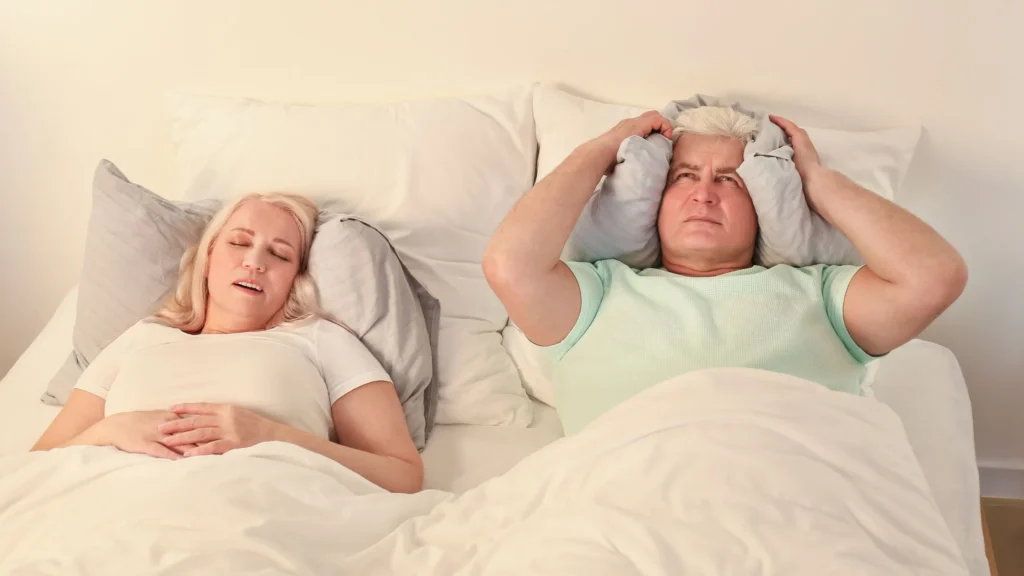
- Is it “just noise,” or are you tired all day? Daytime sleepiness changes the priority.
- Did the snoring start after travel, stress, or a new routine? Fatigue, alcohol, and nasal stuffiness can spike snoring.
- Are you a mouth breather at night? Dry mouth in the morning is a clue.
- Do you wake up choking, gasping, or with headaches? Don’t ignore those signs.
- Is your partner sleeping in another room? That’s a relationship and health issue, not a “quirk.”
The big picture: why snoring is everywhere right now
Sleep has become a full-on “gear category.” People track scores, buy smart rings, test white noise machines, and compare pillows like they’re reviewing laptops. At the same time, burnout and packed calendars make sleep feel fragile. When you’re running on fumes, snoring stops being funny and starts feeling expensive.
Recent conversations also point to a simple truth: even with serious tools, snoring can persist. For example, some people still report snoring despite using CPAP. If you want a deeper overview of what can contribute, see this explainer-style coverage: Still Snoring With a CPAP Machine?.
The human side: when snoring turns into “separate bedrooms”
Snoring jokes land differently when someone is on their third week of broken sleep. Couples often start with nudges, then earplugs, then a couch “just for tonight.” Sometimes that becomes the new normal, even if the snoring improves later.
If that’s your household, aim for two wins: reduce the noise and rebuild confidence around bedtime. A plan helps. It also lowers the tension that can make sleep harder in the first place.
Practical steps that actually move the needle
1) Start with positioning (it’s boring, but it works)
Back sleeping often makes snoring worse because the jaw and tongue can drift. Side sleeping can help many people. If you travel a lot, this matters even more because hotel pillows and late dinners can push you right back onto your back.
2) Clear the “easy blockers” before you judge anything
Nasal congestion can turn a quiet sleeper into a loud mouth breather. Some recent reporting has also discussed saline nasal spray in the context of pediatric sleep-disordered breathing. That doesn’t mean it’s a cure-all, and it’s not a substitute for medical care. It does reinforce a basic idea: airflow matters, and simple comfort steps can change the night.
3) Where an anti snoring mouthpiece fits
An anti snoring mouthpiece is a mechanical solution. It aims to reduce the soft-tissue vibration that creates the sound by improving airway space. Many designs do this by gently positioning the lower jaw forward. Others focus on tongue position.
Think of it like aligning a kinked garden hose. You’re not “adding power.” You’re trying to remove the pinch point that makes airflow turbulent and loud.
4) Tools and technique: ICI basics (Insert, Comfort, Inspect)
- Insert: Seat it fully so it doesn’t rock or slip. A loose fit often equals a loud night.
- Comfort: Mild pressure can be normal early on. Sharp pain is not. Comfort drives consistency, and consistency drives results.
- Inspect: Each morning, check for rough edges, cracks, or warping. A damaged device can irritate gums or change fit.
5) Add a chin strap only if mouth opening is the pattern
If your snoring ramps up when your mouth falls open, a chin strap can help support closed-mouth breathing for some people. Pairing tools can be useful when you’re targeting a specific behavior, not just throwing products at the problem.
If you’re comparing options, this anti snoring mouthpiece is an example of a bundled approach people look for when mouth breathing is a major factor.
Safety and “is this normal?” testing
Do a quick self-check before you commit
- Jaw history: If you have TMJ pain, jaw clicking with pain, or dental instability, get professional input first.
- Red flags: Witnessed breathing pauses, gasping, or severe daytime sleepiness deserve medical evaluation.
- Kids: Snoring in children should be discussed with a pediatric clinician. Don’t improvise with adult devices.
Comfort testing: 3 nights, then adjust
Give it a few nights before you decide it “doesn’t work.” Night one is often awkward. By night three, you’ll know whether the fit is trending better or getting worse.
Stop and reassess if you develop persistent jaw pain, tooth pain, gum bleeding, or headaches that feel new. Comfort should improve, not deteriorate.
Cleanup that keeps the fit stable
Rinse after use, brush gently, and let it dry. Avoid harsh cleaners unless the manufacturer recommends them. Heat can warp some materials, which can quietly ruin comfort and effectiveness.
FAQ: quick answers people ask in real life
Can an anti snoring mouthpiece improve sleep quality?
It can for some people, especially when snoring is driven by airway narrowing from jaw or tongue position. Results depend on fit, comfort, and consistent use.
Why might someone still snore while using CPAP?
Mask leaks, mouth breathing, pressure settings, nasal congestion, or sleep position can play a role. If snoring continues, it’s worth discussing with a clinician or sleep specialist.
What’s the difference between a mouthpiece and a chin strap?
A mouthpiece helps position the jaw or tongue to reduce vibration. A chin strap supports keeping the mouth closed, which may help if mouth breathing worsens snoring.
How long does it take to get used to a mouthpiece?
Many people need several nights to a couple of weeks. Start with shorter wear time and adjust for comfort if your product allows it.
Is loud snoring always sleep apnea?
No. But loud, frequent snoring plus choking/gasping, witnessed pauses, or daytime sleepiness can be a red flag. A medical evaluation is the safest way to rule it out.
Next step: make the plan simple
Pick one baseline change (usually sleep position), then test one tool consistently. Track two things only: snoring volume (partner rating works) and how you feel in the morning. That’s enough to know if you’re moving in the right direction.
How do anti-snoring mouthpieces work?
Medical disclaimer: This article is for general education and does not replace medical advice, diagnosis, or treatment. If you suspect sleep apnea or have persistent symptoms, talk with a qualified clinician or a sleep specialist.