
Before you try anything for snoring, run this quick checklist:
- Safety first: Do you wake up choking, gasping, or with morning headaches?
- Daytime impact: Are you sleepy while driving, in meetings, or mid-afternoon?
- Partner reality: Is your snoring causing someone else to leave the room?
- Context: Did this start after travel, alcohol, a cold, or weight change?
- Gear check: Are you stacking gadgets (tape, sprays, apps) without a plan?
If any red flags show up, treat snoring as a health signal, not just a sound problem. If not, you can test simple changes and see whether an anti snoring mouthpiece fits your situation.
What people are talking about right now (and why)
Snoring has moved from “annoying habit” to “sleep health topic.” You see it in the flood of sleep trackers, wearable scores, and bedside devices promising deeper rest. Add travel fatigue and a packed calendar, and people start hunting for fast fixes.
Relationship humor is part of the trend too. The “I got kicked out of the bedroom” joke lands because it’s common. Under the laugh, though, there’s a real issue: fragmented sleep affects mood, focus, and patience. That’s also why workplace burnout conversations often circle back to sleep quality.
Another headline theme: people who use CPAP for sleep apnea sometimes report they still snore. That sparks confusion and shopping behavior. Some start looking at mouthpieces, nasal aids, or “upgrade” gadgets without understanding what each tool is meant to do.
If you want a general overview of that CPAP-and-snoring question, see this related coverage: Still Snoring With a CPAP Machine?.
What matters medically (without overcomplicating it)
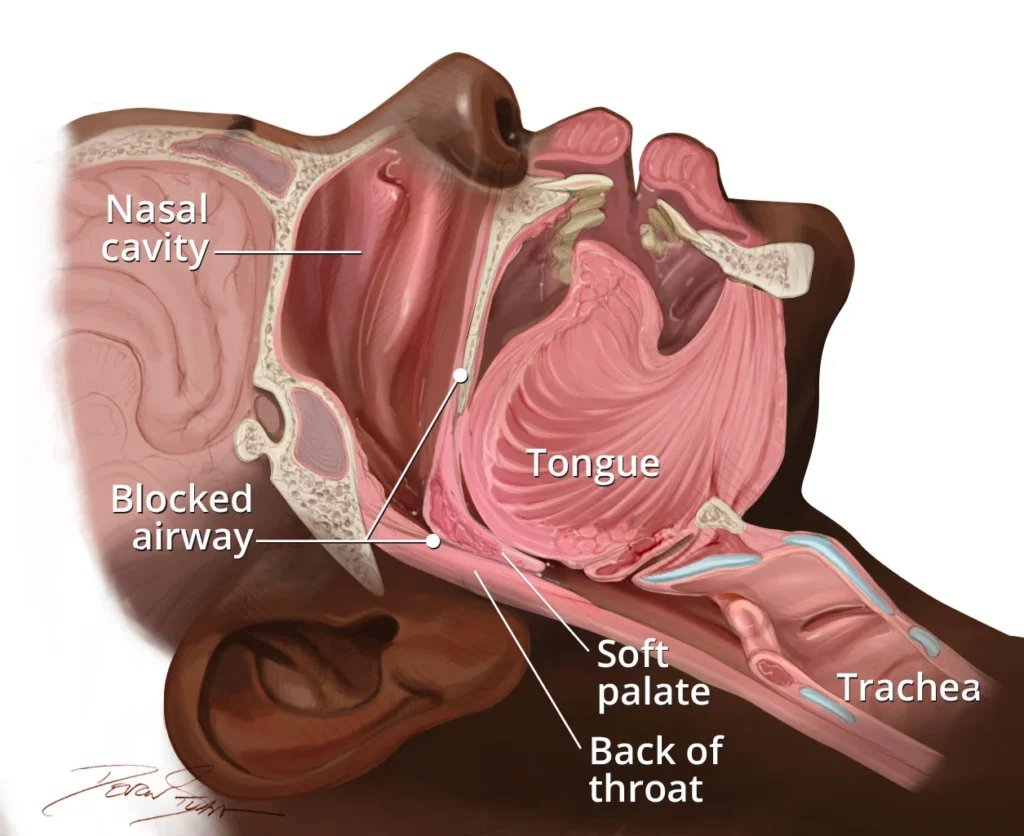
Snoring happens when airflow gets turbulent as it passes through relaxed tissues in the upper airway. That can be influenced by sleep position, nasal congestion, alcohol, and anatomy. It can also be associated with obstructive sleep apnea (OSA), a condition where breathing repeatedly decreases or stops during sleep.
You do not need to self-diagnose. You do need to screen. Consider a clinician conversation if snoring is loud and frequent and you notice any of these:
- Gasping, choking, or witnessed breathing pauses
- High blood pressure or new/worsening heart risk factors
- Severe daytime sleepiness, brain fog, or irritability
- Morning headaches or dry mouth that feels extreme
Also note: “Still snoring on CPAP” doesn’t automatically mean CPAP failed. Mask fit, leaks, nasal blockage, and settings can affect results. That’s a troubleshooting moment, not a shopping spree.
How to try at home (a safe, trackable plan)
Think of this as a two-week experiment. You’re not chasing perfection. You’re documenting what changes your sleep and your partner’s sleep.
Step 1: Pick one variable at a time
Sleep trends push people to do everything at once: mouth tape, special pillow, nasal strip, new mouthpiece, new app. That makes it impossible to know what helped. Choose one primary change for 3–5 nights.
Step 2: Tighten the basics that drive snoring
- Side-sleep support: If you snore mostly on your back, use a pillow setup that nudges you sideways.
- Nasal comfort: Address temporary congestion with gentle, non-habit forming routines (saline rinse or shower steam). If you’re unsure, ask a pharmacist.
- Alcohol timing: If you drink, avoid late-evening alcohol during your test window.
- Travel recovery: After flights or long drives, prioritize hydration and consistent sleep timing for a few nights.
Step 3: Where an anti snoring mouthpiece fits
An anti-snoring mouthpiece is typically designed to support the jaw and tongue position to keep the airway more open during sleep. It’s not the same thing as a sports mouthguard. Fit and comfort matter, and so does matching the tool to the likely cause of snoring.
If you’re comparing products, start with a clear idea of what you’re buying and why. Here are anti snoring mouthpiece to review, then narrow based on comfort, adjustability, and cleaning routine.
Step 4: Reduce risk (and protect your teeth and jaw)
- Keep it clean: Rinse after use and clean as directed. Store it dry to reduce odor and bacterial buildup.
- Watch your jaw: Mild soreness can happen early. Sharp pain, clicking, or headaches are a stop-and-check signal.
- Respect dental issues: Loose teeth, untreated gum disease, or major dental work need professional input before you use a device nightly.
- Document: Track snoring intensity (partner rating 1–10), awakenings, and daytime energy. Notes beat vague impressions.
When to stop experimenting and seek help
Home trials are fine for simple snoring. They are not a substitute for evaluating possible sleep apnea or other sleep disorders.
Get medical advice soon if you have breathing pauses, significant daytime sleepiness, or snoring that worsens quickly. If you already use CPAP and still snore, contact your sleep clinic or equipment provider to review mask fit and settings.
If jaw pain develops with a mouthpiece, a dentist can help assess fit and bite changes. That’s especially important if you wake with jaw stiffness that lasts into the day.
FAQ: quick answers people want before they buy
Is snoring just a “noise issue”?
Sometimes it is. Other times it’s a clue that airflow is restricted. Screening for symptoms matters because sleep apnea needs medical evaluation.
Do mouthpieces replace CPAP?
Not automatically. CPAP is commonly used for diagnosed sleep apnea. Mouthpieces may help some people, but treatment choices should be guided by a clinician.
What’s the fastest way to tell if a mouthpiece is helping?
Use a simple log for 10–14 nights: partner feedback, how often you wake up, and how you feel mid-morning. Consistent improvement beats a single “good night.”
Next step: get a clear explanation before you commit
If you want a simple, plain-English breakdown, start here:
How do anti-snoring mouthpieces work?
Medical disclaimer: This article is for general education only and is not medical advice. Snoring can be a symptom of obstructive sleep apnea or other conditions. If you have choking/gasping, witnessed breathing pauses, significant daytime sleepiness, chest pain, or worsening symptoms, seek care from a qualified clinician.