
Is your snoring getting louder lately?
Is your sleep quality dropping even when you “sleep” eight hours?
Are you tempted by the latest sleep gadgets—tape, sprays, apps, mouthpieces—because you just want quiet?
You’re not alone. Snoring is having a cultural moment again, from travel-fatigue complaints to relationship jokes about “who gets the couch.” At the same time, more people are connecting the dots between poor sleep and burnout at work. That mix makes quick fixes tempting.
This guide keeps it simple. Use the if-then branches below to decide where an anti snoring mouthpiece fits, what to try alongside it, and when to stop guessing and get checked.
Start here: the 60-second reality check
Snoring can be just snoring. It can also be a clue that breathing is being restricted during sleep. Some people even snore while using CPAP for sleep apnea, which is a reminder that “snoring” and “sleep treatment” don’t always line up neatly.
Medical note: This article is educational and not medical advice. It can’t diagnose sleep apnea or other conditions. If you suspect a breathing disorder during sleep, talk with a qualified clinician.
If…then… your decision map
If your snoring is mostly positional (back sleeping), then consider a mouthpiece + position tweaks
If snoring spikes when you roll onto your back, your jaw and tongue may fall backward more easily. An anti-snoring mouthpiece that gently positions the jaw forward can reduce vibration for some sleepers.
Pair it with a simple positional strategy. Try a side-sleeping pillow setup, or adjust how you prop your head and shoulders. Keep it boring and repeatable. Consistency beats fancy gear.
If you wake with a dry mouth or you’re an open-mouth breather, then don’t jump to mouth taping
Mouth taping is trending, and it’s often framed as a “hack.” Safety depends on the person, and it can be a bad idea if your nose isn’t reliably clear or if sleep apnea is possible.
If you’re curious about the risks experts have raised, review this coverage using the search-style link Still Snoring With a CPAP Machine?.
Instead, focus on basics first: hydration, bedroom humidity, and nasal comfort. If you can’t breathe well through your nose, address that before you try to force mouth-closed sleep.
If congestion is part of the story, then treat the nose as a “sleep gadget,” too
Not every snore starts in the throat. When the nose feels blocked, people often switch to mouth breathing. That can worsen snoring and fragment sleep.
Recent reporting has also highlighted research interest in simple nasal approaches in kids with sleep-related breathing symptoms, including saline sprays. That doesn’t mean a spray is a cure-all, and children should be evaluated by a pediatric clinician. Still, it’s a useful reminder: the nose matters.
If your partner says you stop breathing, then skip shopping and get assessed
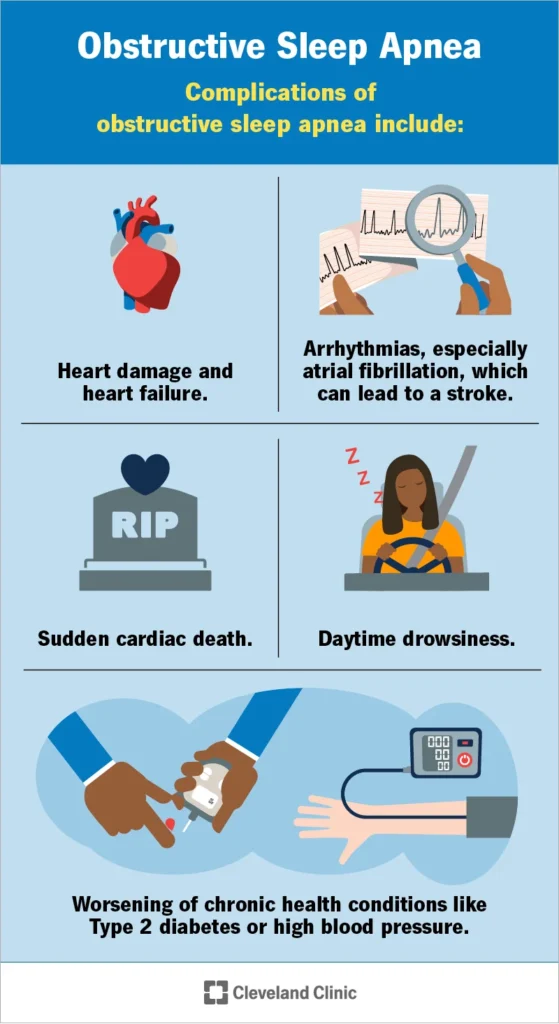
If someone notices pauses, choking, or gasping, treat that as a higher-priority signal than “noise.” Sleep apnea is common and underdiagnosed. It can affect mood, focus, and cardiovascular health.
A mouthpiece may still be part of a plan for certain people, but you’ll want a clinician to guide the order of operations. In some cases, CPAP or another therapy is the main tool, and persistent snoring can mean the setup needs adjustment.
If travel and burnout are wrecking your nights, then aim for recovery sleep first
Jet lag, late meals, alcohol on the road, and irregular bedtimes can all increase snoring. So can weight fluctuations and stress. When your nervous system is fried, your sleep gets lighter. That makes you more aware of every sound, including your own.
If your snoring ramps up during a rough month, don’t assume you need a dramatic intervention. Start with a two-week “reset”: steady bedtime, less alcohol near bedtime, and a cooler, darker room. Then reassess.
Where an anti snoring mouthpiece fits (without the hype)
An anti-snoring mouthpiece is usually designed to improve airflow by adjusting jaw position or stabilizing the tongue area, depending on the style. The goal is less airway vibration and fewer snore events.
It’s not a universal fix. Comfort, fit, and your anatomy matter. If you want to compare styles and see what’s typically included, browse anti snoring mouthpiece.
Quick self-check: signs a mouthpiece is a reasonable next try
- You snore most nights, but you don’t have clear red flags like choking or witnessed pauses.
- Your snoring is worse on your back or after alcohol.
- Your main goal is quieter sleep and fewer wake-ups for you and your partner.
- You’re willing to give it a consistent trial and stop if you get jaw pain.
Red flags: when to prioritize medical evaluation
- Breathing pauses, gasping, or choking during sleep
- Severe daytime sleepiness, dozing while driving, or concentration problems
- Morning headaches or waking up feeling panicked
- High blood pressure concerns or new heart-related symptoms
- Childhood snoring (kids should be assessed rather than self-treated)
Medical disclaimer: This content is for general education only and does not replace medical advice. If you suspect sleep apnea or another sleep-related breathing disorder, seek evaluation from a qualified healthcare professional.
FAQs
Can an anti snoring mouthpiece replace CPAP?
Sometimes a clinician may recommend an oral appliance for certain patients, but it depends on the diagnosis and severity. If you’ve been prescribed CPAP, don’t replace it without medical guidance.
Why do I still snore even with “good” sleep hygiene?
Sleep habits help, but anatomy and airflow still matter. Nasal blockage, jaw position, and airway shape can keep snoring in the picture.
Will a mouthpiece fix my partner’s sleep immediately?
It can reduce noise quickly for some couples, but not always. Treat it like a trial, not a guarantee.
CTA: choose a calm next step
If you want a practical, non-gimmicky way to target snoring, start by learning how mouthpieces are designed to help—and whether that matches your situation.