
Before you try the latest “snore hack,” run this quick checklist:
- Safety first: Do you ever wake up choking, gasping, or with a racing heart?
- Daytime impact: Are you dragging through meetings, needing extra caffeine, or feeling burnt out?
- Relationship reality: Is snoring causing nightly tension, couch-sleeping, or jokes that don’t feel funny anymore?
- Travel factor: Did the problem spike after flights, hotel rooms, or irregular sleep schedules?
- Nose check: Are allergies, congestion, or dry air making you breathe through your mouth?
If you nodded at a few, you’re not alone. Snoring and sleep quality are having a moment again—partly because people are exhausted, partly because sleep gadgets are everywhere, and partly because couples are tired of negotiating bedtime like it’s a workplace calendar invite.
What people are trying right now (and why)
Sleep has become a self-improvement category. You’ll see wearables scoring your night, sunrise alarms, “sleep tourism” packages, and a steady stream of viral fixes. One trend getting attention is mouth taping, which gets framed as a simple way to stop mouth breathing and reduce snoring.
There’s also renewed interest in practical tools that don’t require a full bedroom overhaul. Anti-snoring mouthpieces, chinstraps, nasal strips, and positional pillows are popular because they feel tangible. People want a quick win after weeks of travel fatigue, late-night scrolling, or high-stress work cycles.
For a general overview of the mouth-taping debate and safety considerations, see this coverage: Still Snoring With a CPAP Machine?.
What actually affects sleep quality (beyond the noise)
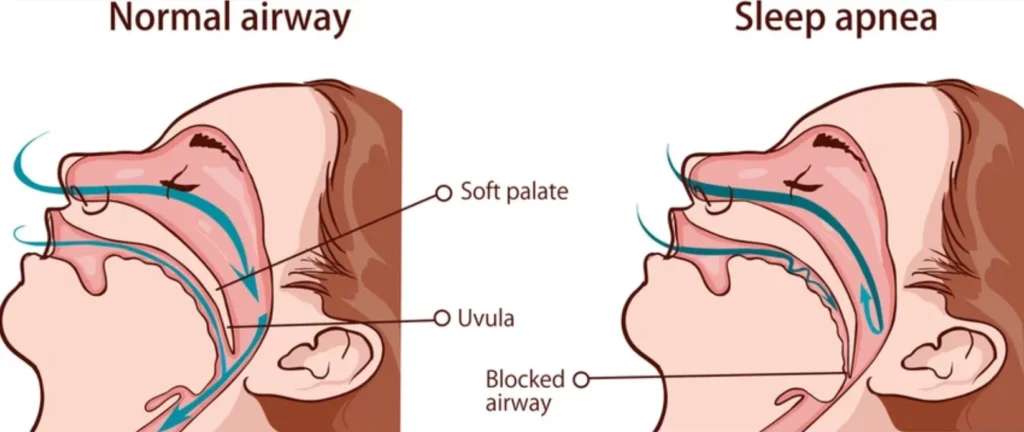
Snoring is the sound of vibration in the upper airway when airflow gets turbulent. That can happen for lots of reasons, and not all of them are “just annoying.” Even when snoring isn’t dangerous, it can still wreck sleep quality for both people in the room.
Common contributors include:
- Jaw and tongue position: When tissues relax, the airway can narrow.
- Back sleeping: Gravity can pull the tongue and soft palate backward.
- Nasal blockage: Allergies, colds, and dry indoor air can push you into mouth breathing.
- Alcohol or sedatives: Relaxation increases airway collapse risk.
- Weight changes: Even modest shifts can affect airway size in some people.
Also, snoring sometimes overlaps with obstructive sleep apnea (OSA). OSA is not something to self-diagnose. If you suspect it, the right move is evaluation and testing through a clinician.
Where an anti snoring mouthpiece fits (and where it doesn’t)
An anti snoring mouthpiece usually refers to a mandibular advancement device (MAD). It gently positions the lower jaw forward during sleep. That can help keep the airway more open, which may reduce vibration and sound.
Signs a mouthpiece may be worth trying
- You snore more when you sleep on your back.
- Your partner reports steady snoring rather than frequent choking or gasping.
- You wake with a dry mouth and suspect mouth breathing is part of the picture.
- You want a travel-friendly option that fits in a carry-on.
When a mouthpiece may not be enough
- You have strong symptoms of sleep apnea (pauses in breathing, gasping, severe daytime sleepiness).
- You can’t breathe well through your nose most nights.
- You have significant jaw pain, TMJ issues, or loose dental work (ask a dentist first).
If you’re comparing options, a combo approach can help some sleepers who mouth-breathe. Here’s one example to review: anti snoring mouthpiece.
A simple at-home trial plan (no heroics required)
Skip the extreme hacks. Aim for a calm, trackable experiment you can talk about with your partner without turning bedtime into a performance review.
Step 1: Pick one change for 7 nights
- Position: Try side-sleeping supports or a body pillow.
- Nasal support: Manage congestion with gentle, non-medicated basics (like humidifying the room). If you use meds, follow label directions and ask a clinician when unsure.
- Cut the “late relaxers”: Reduce alcohol close to bedtime for a week and see what changes.
Step 2: If you add a mouthpiece, make comfort the goal
- Expect an adjustment period. Mild jaw tightness or extra saliva can happen early.
- Stop if you get sharp pain, tooth pain, or worsening jaw symptoms.
- Keep it clean and dry between uses to reduce irritation.
Step 3: Measure outcomes that matter
- How many times did your partner wake up?
- How rested do you feel at 10 a.m.?
- Did you have fewer headaches or less brain fog?
One more relationship tip: agree on a signal and a plan. A gentle nudge plus “roll to your side” beats resentment. So does a backup option like earplugs or a white-noise machine for especially rough nights.
When to stop experimenting and get checked
Snoring becomes a medical conversation when symptoms suggest disrupted breathing or significant sleep fragmentation. Consider professional help if you notice:
- Breathing pauses, choking, or gasping during sleep (even occasionally)
- High daytime sleepiness, near-miss drowsy driving, or concentration problems
- Morning headaches, mood changes, or new irritability that tracks with poor sleep
- High blood pressure or heart risk factors alongside loud snoring
Already on CPAP and still snoring or feeling unrefreshed? That happens for some people. Fit issues, mouth leak, and congestion can all play a role, so it’s worth troubleshooting with a sleep clinician.
FAQ: quick answers you can use tonight
Do anti-snoring mouthpieces work for everyone?
No. They tend to help most when jaw position and airway narrowing drive the snore, but anatomy and nasal breathing still matter.
Is mouth taping a safe snoring fix?
It’s not a universal DIY solution. If you have nasal blockage or possible sleep apnea, it may be unsafe. Bring it up with a clinician if you’re considering it.
Can you still snore while using CPAP?
Yes. Mask fit, pressure settings, and mouth leak can contribute. A sleep clinic can help adjust the setup.
How long does it take to adjust to a mandibular advancement mouthpiece?
Often days to a couple of weeks. Mild soreness can occur early. Persistent pain is a reason to stop and get advice.
When is snoring a sign of something serious?
When it comes with choking/gasping, breathing pauses, major daytime sleepiness, or cardiovascular risk factors, ask about sleep apnea evaluation.
Next step: get your nights (and mornings) back
If snoring is turning sleep into a nightly negotiation, you don’t need a dozen gadgets. Start with one plan, track the result, and choose tools that match your actual pattern.
How do anti-snoring mouthpieces work?
Medical disclaimer: This article is for general education only and is not medical advice. Snoring can be a sign of obstructive sleep apnea or other health conditions. If you have breathing pauses, gasping, significant daytime sleepiness, or other concerning symptoms, seek evaluation from a qualified healthcare professional.