
Q: Why does snoring feel louder lately—am I sleeping worse, or just noticing it more?
Q: Are anti-snoring mouthpieces actually a reasonable next step, or just another sleep gadget trend?
Q: How do we talk about snoring without turning bedtime into a fight?
Yes, sleep can get worse for totally normal reasons: stress, travel fatigue, schedule drift, and workplace burnout. And yes, an anti snoring mouthpiece can be a practical tool for the right person. The relationship part matters too, because snoring isn’t only a “you” problem when someone else is awake at 2:00 a.m.
The big picture: why snoring is suddenly everywhere
Snoring sits at the intersection of health trends and real-life frustration. Sleep trackers, “biohacking” routines, and viral gadgets make it easy to obsess over numbers. Meanwhile, people are also reading more about sleep apnea and what it can look like.
Recent coverage has also highlighted simple, non-invasive approaches being studied in certain groups, including research interest in saline nasal spray and sleep-related breathing symptoms in children. That doesn’t mean one fix works for everyone. It does show that airway comfort and breathing mechanics are top of mind right now.
If you want the broader context people are searching for, see this related coverage: Saline nasal spray found to ease sleep apnea symptoms in children.
The emotional layer: sleep loss turns small things into big fights
Snoring jokes land differently when you’re exhausted. The snorer can feel blamed for something they don’t control. The listener can feel trapped in a nightly loop of nudging, earplugs, and resentment.
Add travel fatigue and irregular meals, and you have a perfect storm. Even one week of poor sleep can make you more reactive. It can also make “quick fixes” feel extra tempting.
A calmer way to talk about it
Try a “team” script: “I miss sleeping next to you, and I’m not getting enough rest. Can we test one change for two weeks and see what happens?” That keeps the focus on sleep quality, not fault.
Also, agree on a backup plan for rough nights. Separate pillows, a different sleep position, or a temporary separate room can be framed as recovery, not rejection.
Practical steps: where an anti snoring mouthpiece fits
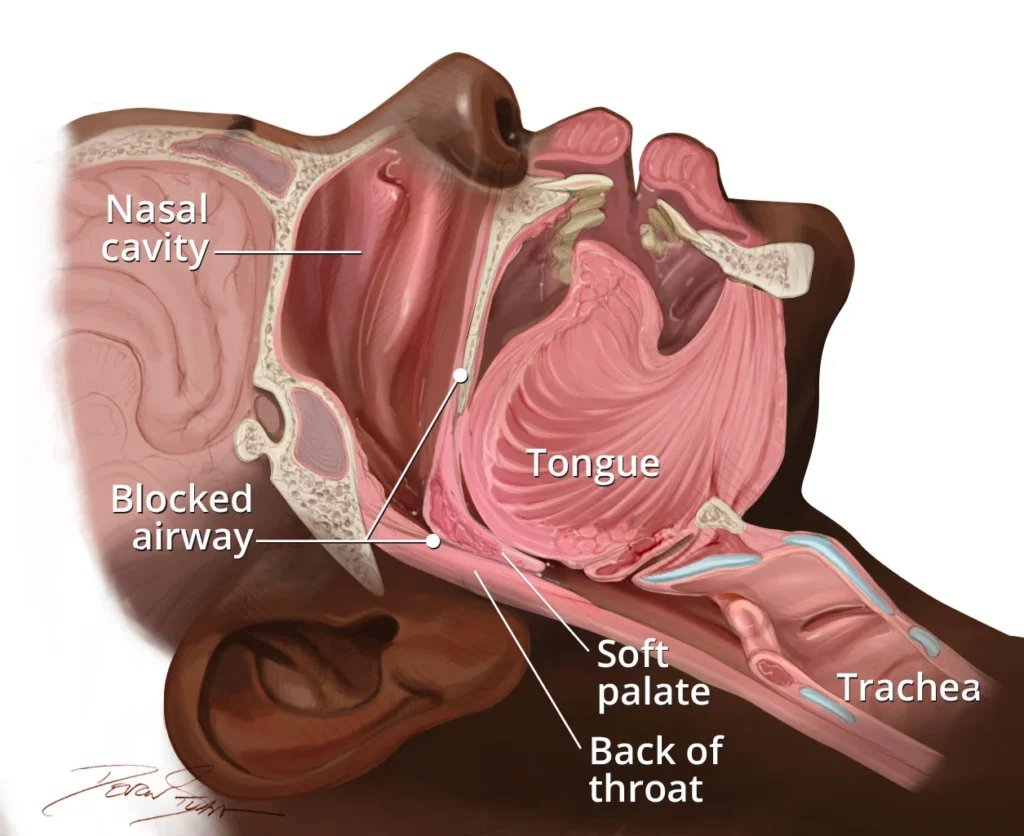
Snoring can come from several factors: nasal congestion, sleep position, alcohol close to bedtime, weight changes, or how the jaw and tongue sit during sleep. A mouthpiece is most relevant when jaw/tongue position is part of the pattern.
Step 1: do a quick “pattern check” for one week
- Position: Is it worse on your back?
- Timing: Does it spike after late meals, alcohol, or very long days?
- Nose vs mouth: Are you congested, or waking with a dry mouth?
- Daytime: Are you unusually sleepy, foggy, or getting morning headaches?
This isn’t a diagnosis. It’s a way to choose a smarter next experiment.
Step 2: decide what you’re trying to change
An anti snoring mouthpiece is typically designed to support the jaw forward (or stabilize the tongue, depending on style). The goal is to reduce airway narrowing that can trigger vibration and noise.
If mouth opening seems to drive the snoring, some people pair a mouthpiece with a chinstrap for added support. Comfort matters, because the best device is the one you can actually tolerate at 1:00 a.m.
If you’re comparing options, you can review a combined option here: anti snoring mouthpiece.
Step 3: run a simple two-week test (and keep it fair)
- Keep bedtime and wake time as consistent as possible.
- Limit alcohol close to bedtime during the test window.
- Track two outcomes: snoring volume (partner rating is fine) and how you feel in the morning.
Don’t change five things at once. That’s how you end up with expensive gadgets and no clear answer.
Safety and “is this legit?” checks before you commit
Mouthpieces are popular, and reviews are everywhere. Still, your body gets the final vote. Fit, comfort, and jaw response matter more than hype.
When to pause and get professional input
- Jaw pain, tooth pain, or new clicking in the TMJ
- Noticeable bite changes
- Persistent daytime sleepiness despite “enough” hours in bed
- Witnessed breathing pauses, choking, or gasping during sleep
Those signs don’t automatically mean sleep apnea, but they do justify a clinician conversation and possibly a sleep evaluation.
Comfort and hygiene basics
Start gently and build up wear time if needed. Clean the device as directed. Replace it when it no longer fits well or shows wear. If you have major dental work, braces, or ongoing gum issues, check with a dental professional first.
FAQ: quick answers people want right now
Is snoring always a health problem?
No. Snoring can be benign. It can also be a sign of sleep-disordered breathing in some people, especially when paired with other symptoms.
Why does snoring get worse during stressful weeks?
Stress can disrupt sleep depth and routine. People may also drink more alcohol, travel, or sleep in different positions. Those shifts can make snoring more noticeable.
What if my partner thinks I’m ignoring them?
Make the plan visible: pick one change, set a check-in date, and share the results. Effort reduces resentment, even before the snoring fully improves.
Medical disclaimer: This article is for general education and does not provide medical advice, diagnosis, or treatment. If you suspect sleep apnea or have significant symptoms (gasping, choking, breathing pauses, severe daytime sleepiness), seek evaluation from a qualified clinician.
CTA: make the next step simple
If you’re ready to try a practical, low-drama experiment, start with a device that matches your snoring pattern and comfort needs. Then test it consistently for two weeks.