
- Snoring is having a moment because sleep tech, coaching, and “biohacking” trends are everywhere.
- Sleep quality is the real goal—not just a quieter bedroom.
- Don’t waste a week cycling through random hacks. Start with the highest-impact basics.
- An anti snoring mouthpiece can be a practical at-home option for many common snoring patterns.
- Know the red flags that point to sleep apnea and a need for professional help.
Between workplace burnout, travel fatigue, and the endless stream of new sleep gadgets, snoring has turned into a nightly “project.” Add relationship humor (the pillow wall, the spare-room threats), and it’s easy to see why people want quick, budget-friendly fixes that don’t require a full lifestyle overhaul.
Why is everyone suddenly talking about snoring and sleep quality?
Sleep has shifted from “nice to have” to “performance essential.” People track sleep scores, buy smart rings, and compare recovery stats like they’re comparing step counts. At the same time, many are overwhelmed by advice—so it’s not surprising that adult sleep coaching is trending as a way to filter the noise.
Snoring sits right in the middle of this. It’s loud, obvious, and it affects two people at once. When sleep quality drops, patience drops with it.
What’s fueling the buzz right now?
- Gadget culture: more trackers, more metrics, more “fix your sleep in 7 days” content.
- Travel and irregular schedules: jet lag, hotel air, and late meals can make snoring worse.
- Stress load: burnout can push people toward quick solutions, even if they’re inconsistent.
What actually causes snoring (in plain English)?
Snoring usually happens when airflow gets partially blocked during sleep. Soft tissues vibrate as air squeezes through a narrower space. That narrowing can be influenced by sleep position, nasal congestion, alcohol, anatomy, and jaw or tongue position.
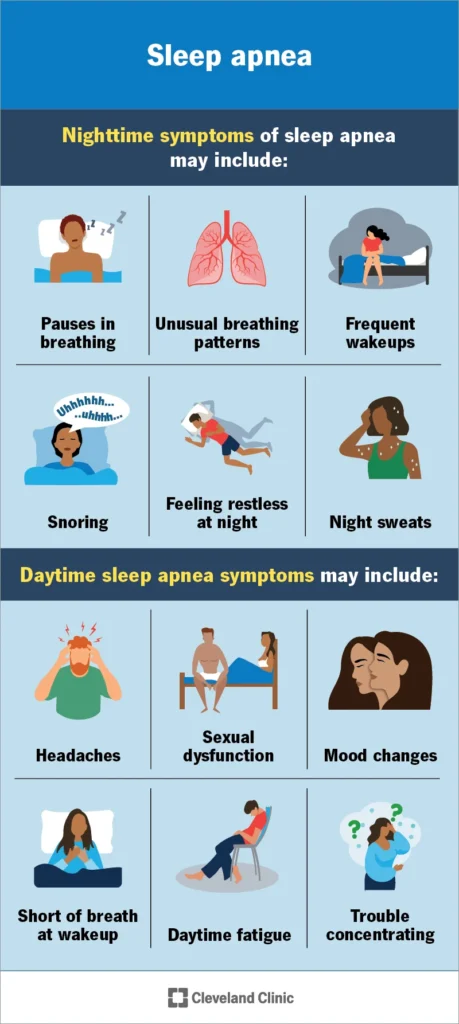
One key point: snoring is common, but it isn’t always “just snoring.” Persistent loud snoring can overlap with sleep-disordered breathing, including sleep apnea.
What can you try at home tonight without buying a drawer of gadgets?
If you want the no-waste approach, prioritize steps that are simple and low-cost first. Then add tools only if you need them.
Start with the highest-impact basics
- Side sleeping: many people snore more on their back.
- Cut the late alcohol window: alcohol can relax airway muscles and worsen snoring.
- Clear nasal blockage: congestion can push mouth breathing and increase noise.
- Protect your schedule: sleep deprivation can make snoring more likely for some people.
If you want a clinician-informed list of common strategies, see ‘We cut through the online ocean of advice’: the rise of adult sleep coaching.
When is an anti snoring mouthpiece worth trying?
If you’ve handled the obvious triggers (position, alcohol timing, congestion) and snoring still shows up most nights, a mouthpiece can be a practical next step. It’s also a common choice for people who want something portable for travel, when hotel pillows and dry air make everything louder.
What mouthpieces are trying to do
Many designs aim to keep the airway more open by supporting the jaw forward or stabilizing the tongue area. The goal is less vibration, steadier airflow, and fewer sleep disruptions.
How to avoid wasting money on the wrong option
- Prioritize comfort: if it hurts, you won’t use it.
- Look for a realistic fit plan: “one-size-fits-all” can be hit or miss.
- Match the tool to the pattern: mouth breathing, jaw drop, and back-sleeping often need different support.
If you’re comparing options, this anti snoring mouthpiece is designed for people who want both jaw/tongue support and help keeping the mouth closed.
What if you’re snoring even with CPAP?
Some people still report snoring despite using CPAP. In general terms, that can happen when the mask fit isn’t ideal, air leaks occur, settings need adjustment, or mouth breathing changes the airflow dynamics.
Don’t try to “DIY” pressure changes. If CPAP is involved and snoring persists, loop in your sleep clinician or equipment provider for safe troubleshooting.
How do you know it’s time to stop experimenting and get checked?
Snoring plus any of the signs below is a strong reason to consider a medical evaluation for sleep apnea or related issues:
- Gasping, choking, or witnessed breathing pauses during sleep
- Significant daytime sleepiness or drowsy driving risk
- Morning headaches, dry mouth, or unrefreshing sleep most days
- High blood pressure or cardiometabolic concerns (discuss with your clinician)
Common questions people ask before buying anything
Will a mouthpiece fix snoring forever?
It can reduce snoring while you use it, but snoring triggers can change with weight, congestion, alcohol, stress, and sleep position. Think “management tool,” not a lifetime guarantee.
Is the goal silence or better sleep?
Better sleep wins. A quieter room is great, but the bigger payoff is fewer micro-wakeups and more consistent rest for you (and whoever is within earshot).
What’s a realistic plan for a busy week?
Pick two basics for 7 nights (like side sleeping + earlier alcohol cutoff). If snoring persists, test one tool consistently—such as an anti snoring mouthpiece—before adding another variable.
Medical disclaimer: This article is for general education and does not provide medical advice. Snoring can be a symptom of sleep apnea or other health conditions. If you have severe symptoms, breathing pauses, or significant daytime sleepiness, seek evaluation from a qualified clinician.