
Myth: Snoring is just a funny relationship problem.
Reality: Snoring can wreck sleep quality, strain daytime focus, and turn “sleep gadgets” into a nightly negotiation. If you’ve been doom-scrolling reviews, testing apps, or joking about “separate bedrooms,” you’re not alone.
Overview: What people are talking about right now
Sleep health is having a moment. You see it in workplace burnout conversations, travel fatigue threads, and the steady stream of new trackers, rings, and smart alarms. The loudest topic, though, is still the oldest one: snoring.
Recent sleep coverage keeps circling back to a key point: even with serious tools like CPAP, some people report ongoing noise. If that sounds familiar, start with screening and troubleshooting before you buy another fix. Here’s a useful search-style reference on the topic: Still Snoring With a CPAP Machine?.
Meanwhile, interest in oral devices is rising because people want something simpler than a full setup. That’s where an anti snoring mouthpiece enters the chat.
Timing: When to address snoring (and when to pause)
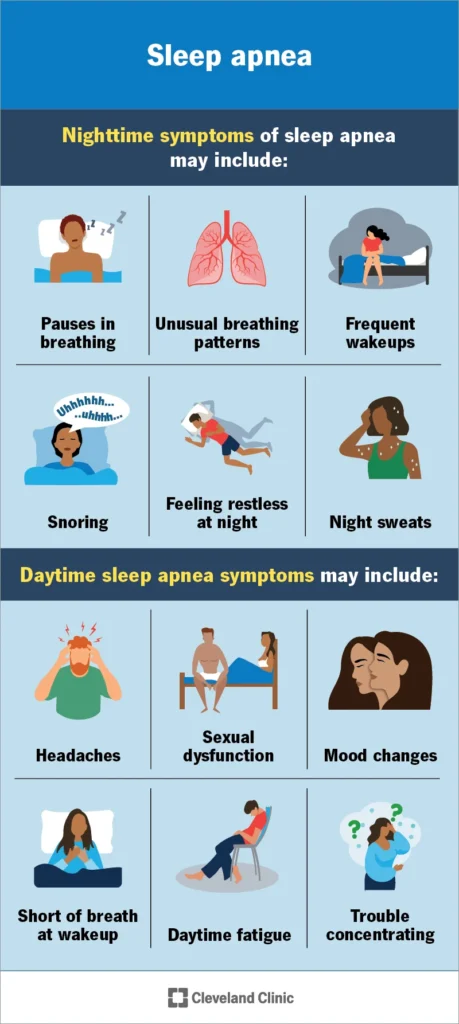
Don’t wait months if snoring is new, worsening, or paired with daytime sleepiness. That combo can signal a bigger sleep-breathing issue. Many health systems emphasize screening for sleep apnea when symptoms stack up.
Pause “DIY mode” and get evaluated sooner if you notice any of these: gasping/choking at night, witnessed breathing pauses, high blood pressure concerns, or severe morning headaches. If you already use CPAP and snoring continues, loop in your clinician to check mask fit and settings.
Supplies: What you need for a safer, cleaner trial
If you’re considering a mouthpiece, treat it like a health product, not a random impulse buy. Have a simple kit ready so you can use it consistently and document results.
Your short list
- Device basics: a reputable mouthpiece that matches your needs (boil-and-bite or dentist-fitted style).
- Cleaning setup: a ventilated case, mild soap, and a soft toothbrush reserved for the device.
- Tracking: notes app or sleep log (snoring volume, wake-ups, morning jaw feel, partner feedback).
- Backup plan: nasal strips/saline rinse if congestion is a driver (not a cure, just support).
If you want a starting point for shopping, browse anti snoring mouthpiece and compare designs, comfort features, and return policies.
Step-by-step (ICI): Identify → Choose → Implement
This is the simplest way to reduce risk and avoid wasting money.
1) Identify your likely snoring pattern
- Position-related: louder on your back, better on your side.
- Congestion-related: worse with allergies, colds, dry hotel rooms, or after flights.
- Alcohol/sedation-related: louder after evening drinks or certain meds.
- Possible apnea flags: choking/gasping, witnessed pauses, heavy daytime sleepiness.
Why this matters: mouthpieces can help some forms of snoring, but they are not a universal fix. Screening protects you from masking a more serious problem.
2) Choose the right mouthpiece category
Most anti-snoring mouthpieces fall into two broad types:
- Mandibular advancement style: gently positions the lower jaw forward to open the airway space.
- Tongue-retaining style: helps keep the tongue from falling back during sleep.
If you have TMJ issues, loose teeth, significant dental work, or gum disease, get dental guidance first. Comfort and safety come before “more aggressive” settings.
3) Implement with a two-week test, not a one-night verdict
- Night 1–3: focus on comfort and fit. Expect an adjustment period.
- Night 4–10: track snoring, awakenings, and morning jaw/tooth feel.
- Night 11–14: decide based on trends, not vibes. If pain increases, stop and reassess.
Add one change at a time. If you also switch pillows, start a new supplement, and buy a new tracker in the same week, you won’t know what helped.
Mistakes that backfire (and how to avoid them)
Buying a device before screening for sleep apnea
Snoring can be harmless, but it can also be a symptom of obstructive sleep apnea. If you have red flags, get tested. Don’t gamble with daytime safety and long-term health.
Over-tightening on night one
More forward isn’t always better. Pushing too hard can trigger jaw pain and make you quit early. Gradual adjustment improves adherence.
Ignoring hygiene and storage
A mouthpiece lives in a warm, moist environment. Clean it daily and let it dry in a ventilated case. Replace it if it cracks, warps, or keeps smelling off.
Skipping documentation
Snoring is subjective. A quick log helps you decide if you’re improving, plateauing, or getting worse. It also helps if you later talk to a dentist or sleep clinician.
FAQ: Fast answers
Can you still snore if you use a CPAP?
Yes. Mask leaks, mouth breathing, congestion, and settings can contribute. Persistent snoring warrants a check-in with your clinician.
Do anti-snoring mouthpieces work for everyone?
No. They can help some people, but the cause of snoring matters. Anatomy, sleep position, and nasal airflow all play a role.
Is snoring always a sign of sleep apnea?
No, but it can be. Get screened if you have gasping, witnessed pauses, or significant daytime sleepiness.
What side effects should I watch for?
Jaw soreness, tooth discomfort, dry mouth, drooling, and bite changes are common complaints. Stop use if symptoms persist and seek professional advice.
CTA: Make your next move simple
If you want a practical path forward, start with screening and a two-week, trackable trial. That’s how you protect sleep quality without chasing every trend.
How do anti-snoring mouthpieces work?
Medical disclaimer: This article is for general education and is not medical advice. It does not diagnose, treat, or replace care from a licensed clinician. If you suspect sleep apnea or have persistent symptoms, seek professional evaluation.