
Is your snoring wrecking your sleep quality?
Are you about to buy another sleep gadget because your feed says it’s “the fix”?
Do you want a practical next step—without wasting a week (or your budget)?
Here’s the straight answer: snoring is common, but it’s not “nothing.” It can trash sleep for you and your partner, turn travel fatigue into a full-blown fog, and add friction when everyone’s already running on workplace-burnout fumes. The goal isn’t perfection. It’s fewer noisy nights and better rest with the least drama.
A quick reality check: snoring vs. sleep health
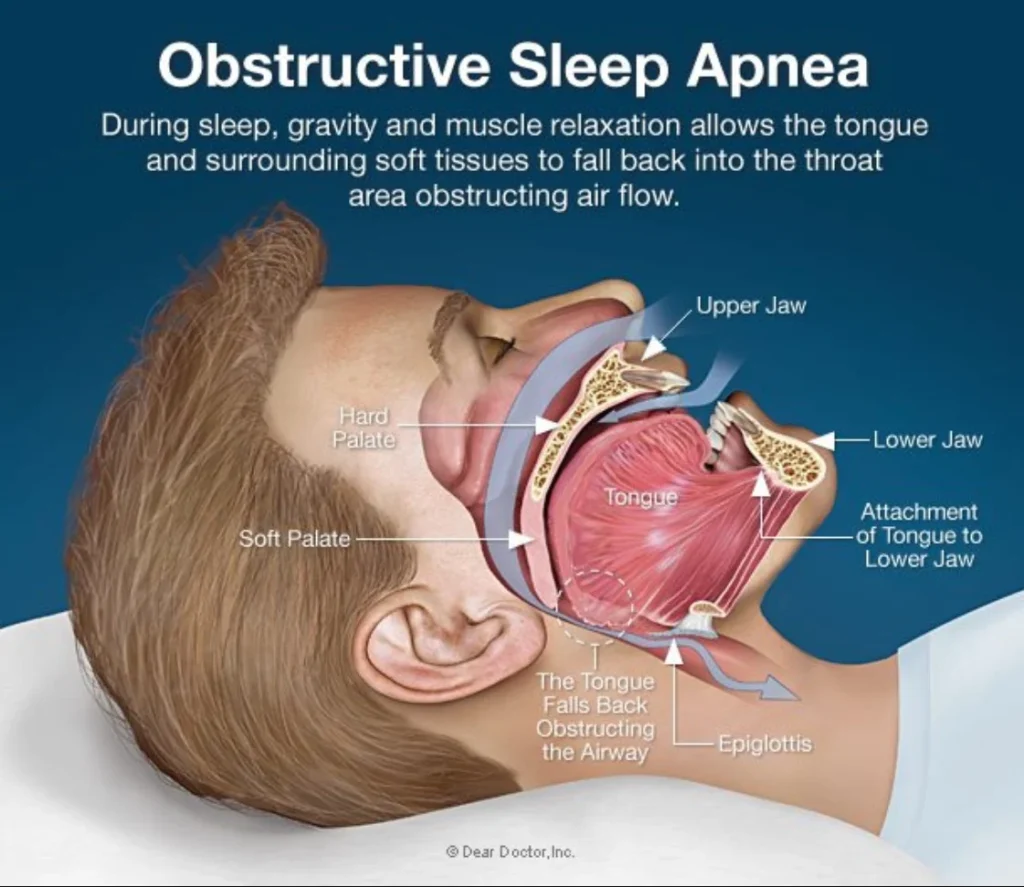
Snoring usually comes from vibration in the upper airway when airflow gets partially blocked. That can be as simple as sleeping on your back after a late dinner, or as complex as an underlying sleep-breathing disorder.
If you’re wondering about the bigger picture, skim an explainer like Is Mouth Taping Safe for Sleep? What Parents Should Know About This TikTok Trend. You don’t need to self-diagnose. You do need to know when snoring deserves medical attention.
Decision guide: If…then… pick your next move
Use this like a flowchart. Make one change at a time so you can tell what actually helped.
If snoring is occasional (travel, stress, late nights)… then start with low-cost levers
When you’re jet-lagged or burnt out, your sleep gets lighter and your partner’s patience gets shorter. Before you buy anything, try the basics that don’t require a subscription or a new charger.
- If you snore mostly on your back, then test side-sleeping support (body pillow or positional cue).
- If congestion is driving it, then focus on clearer nasal breathing at bedtime (simple routines, not extreme hacks).
- If alcohol or heavy meals precede it, then change timing. One evening tweak can beat a month of gadget hopping.
If snoring is frequent and your partner is “joke-angry”… then consider an anti snoring mouthpiece
Relationship humor about “sleep divorce” is everywhere for a reason. A loud snorer can turn a shared bed into a nightly negotiation.
An anti snoring mouthpiece is a practical at-home option many people look at because it’s usually cheaper than a drawer full of failed sleep tech. Many mouthpieces aim to reduce snoring by positioning the jaw to keep the airway more open.
If you’re comparing options, start here: anti snoring mouthpiece. Focus on comfort, adjustability, and whether it’s designed for snoring (not just tooth grinding).
If you wake up unrefreshed even after “enough hours”… then treat sleep quality as the main metric
Snoring isn’t only about sound. Fragmented sleep can leave you dragging the next day. If you’re chasing deep sleep scores from wearables, remember: numbers can nudge habits, but they can’t replace how you feel.
- If you wake with dry mouth, then look for mouth breathing patterns and consider whether a mouthpiece could help reduce vibration and improve airflow.
- If your bedtime routine is chaos, then simplify it. Consistency often beats fancy features.
If you’re using CPAP and still snore… then don’t “DIY” the settings
Some people report snoring even with CPAP. That can happen for several reasons, including mask fit or leaks. Instead of stacking random fixes, loop in your sleep clinician or equipment provider to troubleshoot.
If you’re tempted by viral trends (like mouth taping)… then pause and sanity-check safety
Sleep hacks trend fast, especially anything that looks like a quick win on video. Mouth taping is one example that gets a lot of attention, including questions about safety—especially for parents.
If you have nasal blockage, breathing concerns, anxiety with restricted airflow, or you’re considering any approach for a child, get professional guidance. “Popular” isn’t the same as “right for you.”
If you notice red flags… then prioritize a sleep evaluation
Snoring can be a symptom of sleep apnea or another sleep-breathing disorder. Don’t wait it out if any of these show up:
- Breathing pauses noticed by a partner
- Choking or gasping during sleep
- Heavy daytime sleepiness or dozing off easily
- Morning headaches or high irritability
What to look for in a mouthpiece (so you don’t waste a cycle)
Shopping while tired leads to bad purchases. Keep it simple:
- Comfort first: If it’s bulky or painful, you won’t wear it.
- Jaw positioning: Many anti-snoring designs work by gently moving the lower jaw forward.
- Fit and materials: Look for clear info on how it fits and how to clean it.
- Return policy: Your mouth is not a “one size fits all” situation.
FAQ: quick answers people ask right now
Will a mouthpiece fix snoring overnight?
Sometimes you’ll notice a change quickly, but comfort and adjustment can take a few nights. Track results by how you feel and what your partner hears.
What if my snoring changes after a trip?
Travel fatigue, alcohol, and sleeping on unfamiliar pillows can all shift your patterns. Re-test your baseline at home before you blame your setup.
Can I use a mouthpiece if I grind my teeth?
Some people do, but grinding and snoring aren’t identical problems. If you have jaw pain or dental issues, ask a dentist what’s appropriate.
CTA: make your next step the one that sticks
If you’re ready to skip the hype and try a practical at-home tool, start with a focused comparison and choose for comfort and consistency—not marketing buzz.
How do anti-snoring mouthpieces work?
Medical disclaimer: This article is for general education only and is not medical advice. Snoring can be a sign of a medical condition, including sleep apnea. If you have choking/gasping, witnessed breathing pauses, significant daytime sleepiness, or other concerns, seek evaluation from a qualified clinician.