
Before you try another sleep hack, run this checklist:
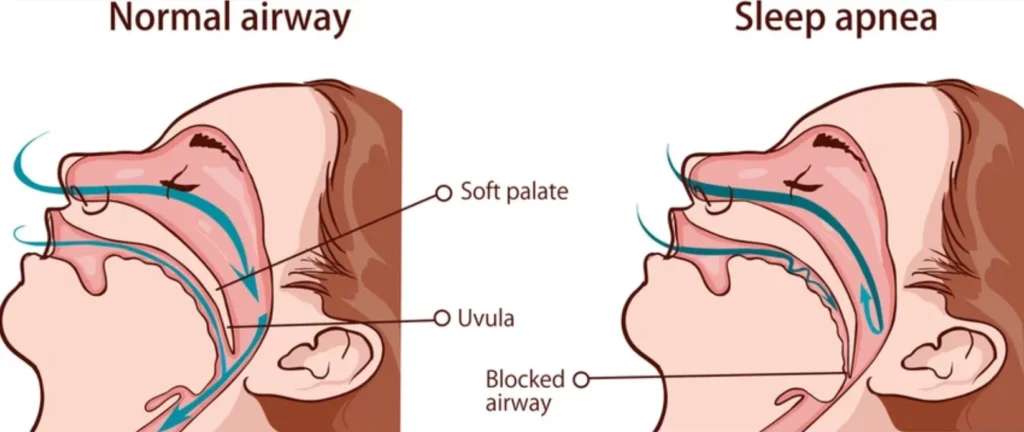
- Safety first: loud snoring plus choking/gasping, morning headaches, or heavy daytime sleepiness needs medical input.
- Pick one change: mouth taping, nasal strips, a new pillow, a mouthpiece—don’t stack five gadgets and guess.
- Talk it out: snoring is a relationship issue because it becomes a sleep-debt issue for two people.
- Set a timeline: test for 7–14 nights with simple tracking (noise, wake-ups, energy).
Overview: why snoring is suddenly everyone’s topic
Sleep has become a full-blown “optimize your life” category. People swap wearable scores, buy travel-friendly gadgets, and chase viral fixes. Some of that is helpful. A lot of it is just noise.
Snoring sits right in the middle of it all. It affects sleep quality, mood, and patience. It also turns bedtime into a negotiation, especially when one person is burnt out and the other is desperate for quiet.
One trend getting attention is mouth taping. If you’re seeing it everywhere, you’re not alone. For a general look at the conversation around Is Mouth Taping Safe for Sleep? What Parents Should Know About This TikTok Trend, start there—then keep reading for a plan that doesn’t rely on internet bravado.
Timing: when to address snoring (and when not to)
Good times to act: after a few rough weeks, after travel fatigue, or when your partner starts “joking” about sleeping on the couch. Those are signals your sleep health is sliding.
Bad times to improvise: when you’re sick and congested, after heavy drinking, or during peak stress when your jaw is already tight. That’s when quick fixes can feel worse.
If you suspect sleep apnea, don’t delay. Snoring can be harmless, but it can also be a flag. A clinician can help you sort that out.
Supplies: what you actually need (skip the gadget pile)
- A simple tracker: notes app or a basic sleep/snore recording (no need to obsess over scores).
- One primary tool: for many people, that’s an anti snoring mouthpiece to test consistently.
- Optional add-ons: saline rinse, humidifier, or a nasal dilator if congestion is part of your story.
- Communication: a two-minute plan with your partner about what you’re trying and how you’ll judge it.
Step-by-step (ICI): Identify → Choose → Iterate
1) Identify what’s driving your snoring
Don’t overcomplicate it. Start with patterns:
- Back sleeping: snoring worse on your back can point to airway positioning issues.
- Nasal congestion: worse with allergies, colds, dry hotel rooms, or seasonal changes.
- Alcohol or late meals: snoring spikes after a night out or a heavy dinner.
- Workplace burnout: stress can worsen sleep depth and recovery, which makes everything feel louder.
Write down what’s true for you. This keeps you from buying the wrong fix.
2) Choose a realistic first-line option
If you want a practical, non-viral starting point, an anti snoring mouthpiece is often on the shortlist. The basic idea is simple: it aims to reduce snoring by improving airflow and limiting the conditions that create vibration.
If you want to explore a combined approach, look at an anti snoring mouthpiece. It’s a single purchase you can test without turning your nightstand into a tech store.
Already using CPAP and still snoring? That’s not a DIY problem. Mask fit and settings matter, and a sleep professional should guide changes.
3) Iterate for 7–14 nights (not 2 nights)
Comfort and fit can take a little time. Run a short experiment:
- Nights 1–3: focus on comfort and consistent use.
- Nights 4–7: track snoring volume and partner wake-ups.
- Week 2: decide if it’s “clearly better,” “no change,” or “worse.”
Keep the goal narrow: fewer disruptions, not perfection. Better sleep health is usually built with small wins.
Mistakes that waste time (and patience)
Chasing trends instead of solving your problem
Viral sleep tricks can be tempting. If your nose blocks easily, mouth taping may feel scary or uncomfortable. If you’re anxious, it can backfire. Don’t force a trend to fit your anatomy.
Ignoring the relationship side
Snoring creates a weird loop: the snorer feels blamed, the partner feels ignored, and both lose sleep. Pick neutral language. Talk about “shared sleep quality” instead of “your snoring.”
Trying to brute-force through jaw or tooth pain
Discomfort is a signal. If a mouthpiece causes persistent jaw pain, tooth pain, or headaches, stop and get dental guidance. Better sleep isn’t worth a new problem.
Assuming louder = more dangerous (or harmless)
Volume doesn’t equal severity. Some people snore loudly without apnea. Others have serious breathing interruptions with minimal noise. If symptoms suggest apnea, get evaluated.
FAQ: quick answers people are searching for
Is an anti snoring mouthpiece the same as a sports mouthguard?
No. A sports guard protects teeth from impact. Anti-snoring designs aim to change airflow or positioning during sleep.
What if my snoring is mostly from my nose?
Consider addressing congestion first. Some people also test nasal dilators, especially during allergy seasons or in dry travel environments.
Should couples sleep separately while testing?
Sometimes, yes—short-term. Think of it as a reset, not a relationship verdict. Agree on a timeline and a plan to reunite the bed.
CTA: pick your next step (keep it simple)
If snoring is harming sleep quality in your home, choose one tool and test it for two weeks. Keep notes. Communicate clearly. Then decide based on results, not hype.
How do anti-snoring mouthpieces work?
Medical disclaimer: This article is for general education and is not medical advice. Snoring can have many causes, including sleep-disordered breathing. If you have symptoms such as choking/gasping during sleep, severe daytime sleepiness, chest pain, or persistent insomnia, seek evaluation from a qualified healthcare professional.