
Is your snoring getting louder—or just getting less funny?
Are sleep gadgets and “quick fixes” helping… or just cluttering your nightstand?
Do you want a practical, low-drama plan that actually improves sleep quality?
Here’s the direct answer: snoring is common, but it’s not harmless when it trashes your sleep (or your partner’s). The goal isn’t to “win” at sleep trends. The goal is consistent, quiet breathing and better recovery. For many people, an anti snoring mouthpiece is a realistic first-line tool—especially when snoring is tied to jaw and tongue position.
The big picture: why snoring feels like it’s everywhere right now
Snoring has become a public topic again because sleep is now treated like performance. People track HRV, buy smart rings, test cooling pillows, and compare sleep scores like steps. Add travel fatigue and late-night scrolling, and snoring gets harder to ignore.
Recent conversations also highlight a key point: snoring can show up even when someone is “doing the right thing.” For example, some people report they still snore with CPAP, which pushes them to troubleshoot mask fit, mouth breathing, congestion, and sleep position with professional guidance.
If you want a deeper read on that specific situation, see this high-authority resource: Still Snoring With a CPAP Machine?.
The emotional part: sleep loss spills into everything
Snoring is one of those “relationship jokes” that stops being funny around day three of bad sleep. The resentment is real. So is the workplace drag when you’re running on broken rest and extra caffeine.
Burnout also changes the equation. When stress is high, people often drink more alcohol, snack later, and sleep in odd positions. Each can make snoring more likely. If you’re traveling, even one night in a new bed can trigger congestion or mouth breathing.
Practical steps: a simple path before you buy your fifth sleep gadget
Step 1: Figure out what kind of snorer you are (fast)
You don’t need a lab to start learning. Use a snore recording app for a few nights and note patterns:
- Mostly on your back? Position is a big lever.
- Worse after alcohol? That points to airway relaxation.
- Worse with congestion? Nasal breathing may be the bottleneck.
- Partner notices pauses or gasps? Treat that as a red flag to get evaluated.
Step 2: Clean up the “easy wins” that change snoring fast
These aren’t glamorous, but they’re high ROI:
- Side-sleep support: A body pillow or positional aid can reduce back-sleep time.
- Earlier alcohol cutoff: Many people do better when alcohol isn’t right before bed.
- Consistent sleep window: Irregular nights can deepen fatigue and worsen snoring intensity.
- Nasal comfort: Some families and clinicians discuss saline approaches for congestion in kids with sleep-disordered breathing. For adults, talk to a clinician if you’re relying on sprays often or symptoms persist.
Step 3: When an anti snoring mouthpiece is the right next move
If your snoring seems tied to jaw drop, mouth breathing, or tongue position, an oral device can help by gently supporting or repositioning the jaw. That can make the airway less collapsible for some sleepers.
Start with a product designed for snoring—not a sports guard. If you want a combined approach that also supports mouth closure, look at an anti snoring mouthpiece.
Step 4: Make it testable (so you don’t guess for weeks)
Run a 10–14 night trial with the same basics: similar bedtime, similar alcohol timing, and the same pillow setup. Track:
- Snore volume or frequency (app data is fine)
- Morning jaw comfort
- Dry mouth and wake-ups
- Daytime sleepiness and focus
If sleep quality improves but comfort is poor, that’s not a failure. It’s feedback. Adjust fit per the manufacturer’s guidance, or consider a dentist-made option if symptoms persist.
Safety and smart testing: what to watch for
Don’t “tough it out” through pain
Mild adaptation discomfort can happen early on. Sharp pain, ongoing jaw clicking, tooth pain, or bite changes are reasons to stop and get dental or medical advice.
Know the sleep apnea warning signs
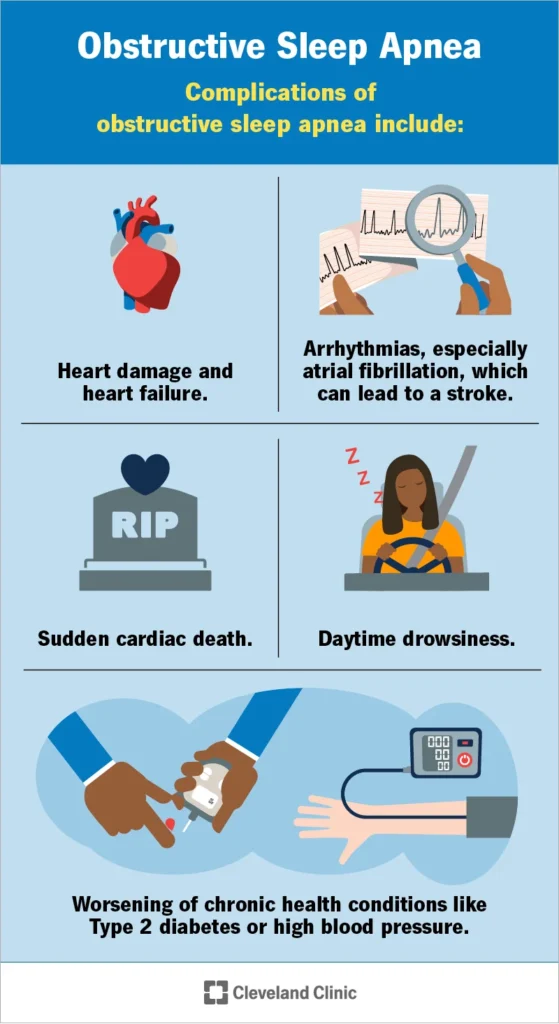
Snoring can be a symptom of sleep apnea, which is a medical condition. Consider evaluation if you notice:
- Choking/gasping or witnessed breathing pauses
- Morning headaches
- High daytime sleepiness
- High blood pressure or heart risk factors (discuss with your clinician)
Medical disclaimer
This article is for general education and does not provide medical advice, diagnosis, or treatment. If you suspect sleep apnea or have persistent snoring, breathing pauses, chest pain, severe daytime sleepiness, or jaw/tooth pain from an oral device, seek care from a qualified clinician or dentist.
FAQ: quick answers people ask before buying
Can you combine a mouthpiece with other sleep fixes?
Often, yes. Many people stack basics like side sleeping, nasal comfort steps, and a mouthpiece. If you use CPAP, ask your clinician before combining devices.
How long until you know it’s working?
Some people notice changes in the first few nights. Give it about two weeks with consistent habits so you can separate “new device adjustment” from real results.
What if snoring only happens when you’re exhausted or traveling?
That’s common. Travel fatigue, alcohol timing, and dry hotel air can all contribute. A portable solution plus position support can be useful, but don’t ignore recurring symptoms.