
Myth: Snoring is just “noise.”
Reality: Snoring often signals disrupted sleep quality. That can show up as groggy mornings, short tempers, and a bedroom vibe that feels more like a negotiation than a sanctuary.
Right now, sleep is having a cultural moment. Wearables score your “recovery,” influencers test sleep gadgets, and travelers joke about jet lag like it’s a personality trait. Under the humor is a real point: when sleep gets shaky, everything else feels harder.
Big picture: why snoring and sleep quality are in the spotlight
Snoring happens when airflow is partially blocked and soft tissues vibrate. Sometimes it’s mostly a nuisance. Other times it can be a clue that breathing is repeatedly interrupted during sleep.
That’s why you’ll see more conversations about sleep apnea, CPAP troubleshooting, and oral appliances. People want quick fixes, but they also want answers that actually match their situation.
If you want a starting point on CPAP-related snoring discussions, see this related coverage: Still Snoring With a CPAP Machine?.
The emotional side: it’s not “just snoring” at 2 a.m.
Snoring is a relationship stress test. One person is trying to sleep. The other is trying not to feel blamed for something they can’t fully control.
It also hits daytime life. Workplace burnout conversations often circle back to sleep debt. When your nights are fragmented, focus drops and patience runs thin.
If travel fatigue is part of your week, snoring can feel worse on the road. New pillows, alcohol at dinners, and congested hotel air can all stack the deck against you.
Practical steps: a no-drama plan to improve nights
Step 1: figure out what kind of snorer you are
Don’t overcomplicate this. Track a few basics for 7 nights: sleep position, alcohol, congestion, and how rested you feel. If you can, record short audio to confirm patterns.
Side-sleepers may snore less than back-sleepers. Nasal blockage can also drive mouth breathing, which often ramps up noise.
Step 2: clean up the “easy wins” first
Try one change at a time so you know what worked.
- Reduce alcohol close to bedtime.
- Address nasal stuffiness (saline rinse or humidity can help some people).
- Revisit pillow height and neck position.
- Keep a consistent sleep window when possible.
Step 3: when an anti snoring mouthpiece makes sense
An anti snoring mouthpiece is often designed to support airflow by positioning the jaw or stabilizing the tongue. People consider them when snoring is frequent, position changes aren’t enough, and they want a non-surgical option.
Shopping tip: focus on fit, comfort, adjustability, and clear instructions. Here’s a helpful place to compare anti snoring mouthpiece without getting lost in hype.
Safety and testing: how to try a mouthpiece without guessing
Do a short “comfort trial,” not an all-in night
Wear the mouthpiece for 20–30 minutes while awake for the first few days. That helps you notice pressure points and jaw tension early.
On night one, aim for a partial night if needed. Comfort matters because the best device is the one you can actually keep using.
Watch for red flags
Stop and reassess if you get ongoing jaw pain, tooth pain, gum bleeding, or new bite changes. Mild soreness can happen early, but it shouldn’t escalate or linger.
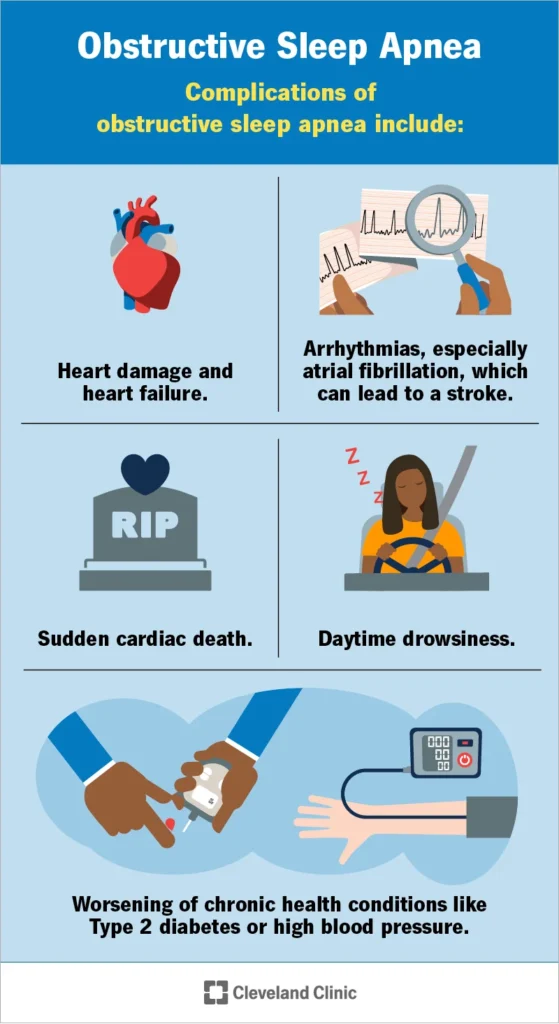
If you snore loudly with choking, gasping, or severe daytime sleepiness, don’t self-manage. Those can be signs of sleep apnea and deserve a professional evaluation.
If you use CPAP and still snore
Don’t assume CPAP “failed.” Mask fit, leaks, pressure settings, and nasal congestion can all play a role. A sleep clinician can troubleshoot, and some people discuss oral appliances as an additional tool in specific cases.
Quick FAQ
Is snoring always a health problem?
No. Some snoring is benign. The concern rises when it’s loud, frequent, or paired with unrefreshing sleep or breathing pauses.
Can a mouthpiece replace lifestyle changes?
Usually not. It can be a strong add-on, but sleep quality improves fastest when you also reduce triggers like alcohol near bedtime and chronic congestion.
Do mouthpieces help travel sleep?
They can, especially if your snoring spikes when you’re overtired. Pack it with a case, and keep your routine as steady as possible.
Call to action: get a clearer next step
If snoring is wrecking sleep quality at home (or on the road), a mouthpiece may be worth a structured trial—comfort-first, safety-first.
How do anti-snoring mouthpieces work?
Medical disclaimer: This article is for general education and is not medical advice. Snoring can have multiple causes, including sleep apnea. If you have breathing pauses, choking/gasping, chest pain, severe daytime sleepiness, or persistent symptoms, seek evaluation from a qualified clinician or dentist experienced in sleep-related breathing issues.