
Snoring used to be a punchline. Now it’s a nightly performance review.
Between travel fatigue, wearable sleep scores, and burnout, people are paying attention to what wrecks recovery.
If you want better sleep quality, an anti snoring mouthpiece can be a practical step—if you screen for red flags and use it safely.
Quick overview: why snoring hits harder right now
Snoring isn’t just “noise.” It can fragment sleep for the snorer and the person stuck listening to it. That shows up as brain fog, irritability, and that midday crash that no cold brew fixes.
At the same time, sleep gadgets are everywhere. Apps and rings turn sleep into a dashboard. That pushes people toward quick fixes, including viral trends like mouth taping.
Before you copy what’s trending, ground it in basics: airflow, anatomy, and safety checks.
Timing: when to try a mouthpiece (and when not to)
Good times to consider it
- You snore most nights, especially on your back.
- Your partner reports loud snoring but no obvious breathing pauses.
- You wake with dry mouth or sore throat and want a non-machine option.
- Work stress or travel has made your sleep lighter, and snoring is now “louder” in the mix.
Pause and screen first
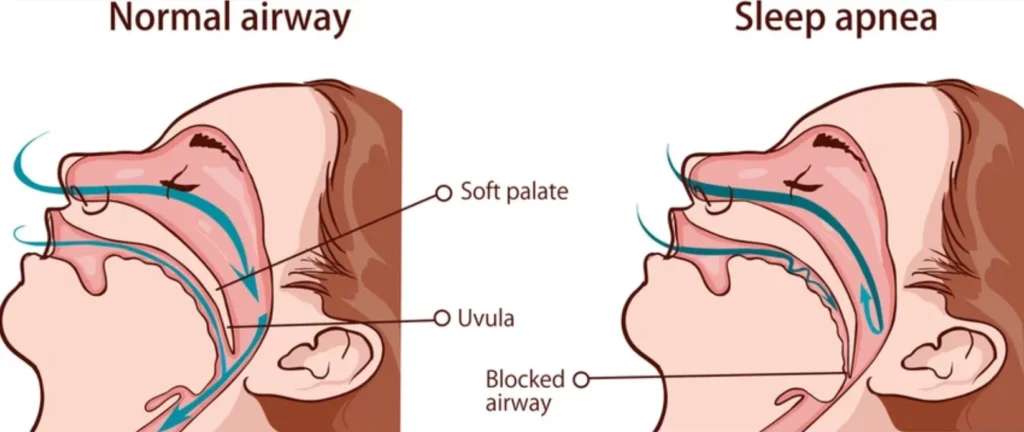
Some snoring is a warning sign. Sleep apnea is commonly discussed in mainstream medical guidance, and it’s linked with symptoms beyond annoyance.
- Gasping, choking, or witnessed pauses in breathing
- Severe daytime sleepiness, morning headaches, or concentration problems
- High blood pressure or heart risks
- Snoring that rapidly worsens with weight change, alcohol, or sedatives
If those sound familiar, a mouthpiece might still play a role, but an evaluation matters first.
Supplies: what you need for a safer setup
- The right device type: Many anti-snoring mouthpieces are mandibular advancement devices (MADs). Others focus on tongue positioning.
- Cleaning basics: A toothbrush dedicated to the device, mild soap, and a ventilated case.
- Tracking notes: A simple log: bedtime, alcohol, congestion, device setting, and how you felt in the morning.
- Backup plan for nasal nights: If you’re congested, forcing mouth closure can be risky. Choose breathing-first strategies.
If you’re comparing approaches, it helps to read up on trend safety. Here’s a helpful reference framed like a query: Is Mouth Taping Safe for Sleep? What Parents Should Know About This TikTok Trend.
If you’re shopping and want a starting point, browse anti snoring mouthpiece and compare fit, adjustability, and cleaning requirements.
Step-by-step (ICI): Identify → Choose → Implement
1) Identify your likely snoring pattern
- Back-sleeping snoring: Often worse when your jaw drops back.
- Nasal-congestion snoring: Often worse with allergies, colds, dry hotel air, or post-flight dehydration.
- Alcohol-linked snoring: Often worse after drinks because tissues relax.
You don’t need a lab to start observing. You do need honesty. A quick voice memo from your partner counts as data.
2) Choose a mouthpiece strategy that matches the pattern
Most anti-snoring mouthpieces aim to reduce airway vibration by repositioning the jaw and supporting the airway. That can improve airflow and reduce the sound.
Pick devices that prioritize fit and comfort. If a device causes pain, you won’t wear it. If you don’t wear it, it can’t help.
3) Implement like a process, not a dare
- Night 1–3: Short wear time before sleep to get used to the feel. Stop if you get sharp jaw pain.
- Week 1: Track snoring reports and morning symptoms. Adjust gradually if your device allows it.
- Week 2: Re-check the basics: nasal breathing, alcohol timing, side-sleep support, and consistent bedtime.
Think of it like workplace burnout recovery: one big “hack” won’t fix it. Small consistent changes do.
Mistakes that wreck results (and increase risk)
Skipping the sleep apnea screen
If you have red-flag symptoms, treating snoring like a cosmetic issue can delay real care.
Over-tightening or rushing adjustments
More forward isn’t always better. Too much advancement can trigger jaw soreness, tooth discomfort, or headaches.
Ignoring nasal blockage
If you can’t breathe well through your nose, don’t gamble with methods that restrict mouth breathing. This is where viral trends can get people into trouble.
Dirty device habits
A mouthpiece lives in a warm, moist environment. Clean it daily and let it dry in a ventilated case. Replace it as recommended.
Expecting relationship peace without a plan
Snoring jokes land differently at 2:00 a.m. Agree on a trial window, track outcomes, and keep the conversation practical.
FAQ: fast answers for real-life use
How fast can an anti-snoring mouthpiece help?
Some people notice changes in the first few nights. For others, comfort and adjustment take a week or two.
What if my snoring is worse when I travel?
Travel dryness, alcohol, and irregular sleep can amplify snoring. Bring your device, prioritize hydration, and keep nasal breathing in mind.
Can I combine a mouthpiece with nasal aids?
Sometimes, yes. If nasal airflow is part of your problem, addressing it can complement a mouthpiece. If symptoms suggest apnea, get medical guidance first.
What’s a sign the mouthpiece fit is wrong?
Persistent jaw pain, tooth pain, gum irritation, or headaches that don’t improve after a short adjustment period are common signals to stop and reassess.
CTA: make your next step simple
If snoring is dragging down your sleep quality, start with a safer, trackable plan. Choose a device you can actually wear, then measure results over two weeks.
How do anti-snoring mouthpieces work?
Medical disclaimer: This article is for general education and does not replace medical advice. Snoring can be a symptom of obstructive sleep apnea or other conditions. If you have breathing pauses, choking/gasping, severe daytime sleepiness, or other concerning symptoms, seek evaluation from a qualified clinician.