
On a red-eye flight, an exhausted traveler dozes off in seat 22B. Ten minutes later, the snoring starts. By the time the plane lands, the seatmate is texting jokes about “sleep gadgets” and “relationship survival.” The traveler laughs it off—until the next week, the same snoring shows up at home and the mornings feel worse.
That’s the moment a lot of people are in right now. Snoring isn’t just a punchline. It’s showing up in conversations about burnout, wearables, viral sleep hacks, and the growing worry that one bad night can ripple into long-term health.
What people are talking about right now (and why)
Sleep has become a full-on trend category. Smart rings score your “readiness.” Apps sell soundscapes. Travel fatigue gets blamed for everything. Meanwhile, quick fixes spread fast on social media, including ideas like taping your mouth shut at night.
At the same time, recent health commentary has pushed a more serious point: your nighttime habits can matter even when you’re young and “healthy.” If your sleep is routinely fragmented, your body doesn’t get the recovery it expects.
If snoring is part of your story, you’re not alone. The key is separating noise from risk—and choosing a fix that matches the likely cause.
What matters medically: snoring vs. sleep quality vs. sleep apnea
Snoring usually happens when airflow becomes turbulent as you breathe during sleep. That turbulence can come from the nose, the soft palate, the tongue, or jaw position. Alcohol, congestion, and sleeping on your back can all make it louder.
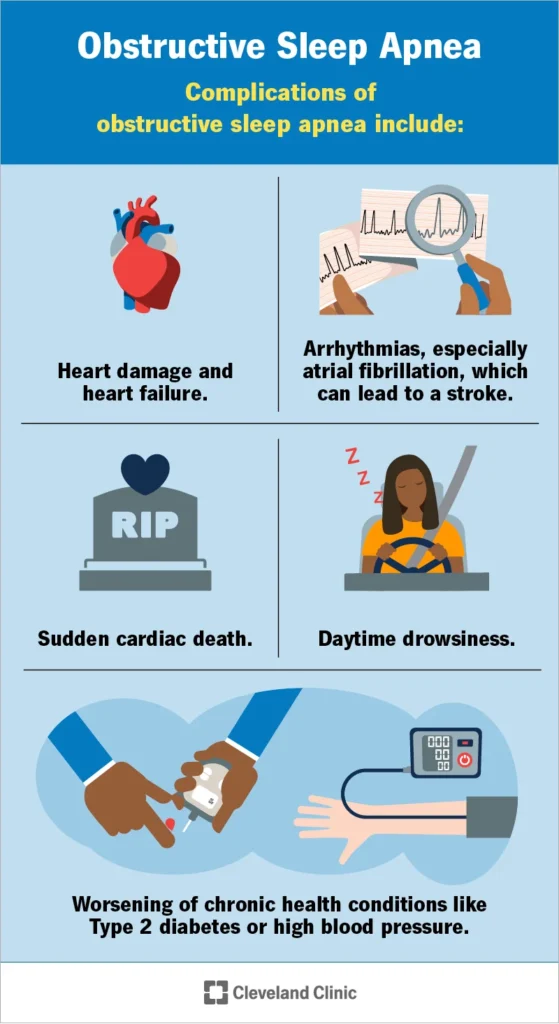
Snoring can be “simple snoring,” but it can also be a sign of obstructive sleep apnea (OSA). OSA is more than noise. It involves repeated airway collapse, oxygen dips, and sleep disruption.
Clues that it’s more than snoring
- Witnessed pauses in breathing, choking, or gasping
- Strong daytime sleepiness, brain fog, or irritability
- Morning headaches or dry mouth
- High blood pressure or heart risk factors
If those sound familiar, don’t self-label it. Use them as a reason to get evaluated.
About viral “hacks” (like mouth taping)
Some trends are popular because they’re simple. Safety is the bigger issue. If you can’t reliably breathe through your nose, restricting mouth breathing can backfire. Parents should be especially cautious with kids and teens.
How to try at home: a direct, low-drama plan
You don’t need ten gadgets to run a useful experiment. Pick one change at a time so you can tell what helped.
Step 1: Do a 7-night baseline
Track three things: (1) snoring reports (partner or app), (2) how many times you woke up, and (3) how you feel by late morning. Keep it simple. Consistency beats detail.
Step 2: Clean up the easy triggers
- Back sleeping: Try side-sleeping support (pillow positioning works for many).
- Alcohol near bedtime: If you drink, stop earlier in the evening for a week and compare.
- Nasal blockage: Address congestion and dryness. Some people explore nasal dilators; evidence is mixed, but they may help certain cases.
Step 3: Consider an anti snoring mouthpiece (when the jaw/tongue is the issue)
An anti snoring mouthpiece is often used when snoring is driven by the jaw relaxing backward and the tongue crowding the airway. Many designs aim to bring the lower jaw slightly forward or stabilize the tongue position.
Common “fit” reality checks:
- Expect an adjustment period. Mild soreness can happen early on.
- Jaw clicking, sharp pain, or worsening headaches are not “normal.” Stop and reassess.
- Dry mouth can improve if snoring drops, but it can also worsen if the fit is off.
If you want to compare shopping considerations, start with anti snoring mouthpiece and narrow down by comfort, adjustability, and your symptoms.
Step 4: Don’t ignore the “one mistake” pattern
A lot of people sabotage sleep with a single repeat behavior: pushing bedtime later while still waking at the same time. That shortens sleep opportunity and can amplify snoring triggers like alcohol timing, late meals, and screen-driven alertness.
If you want a general read on the cultural conversation around sleep and health risks, see Doctor reveals ‘1 mistake at night’ that increases heart attack risk in 20s and 30s even if you are healthy | Health.
When to stop experimenting and get help
Home trials are fine for simple snoring. They are not a substitute for medical evaluation when symptoms suggest sleep apnea or another sleep disorder.
Book an evaluation if you have any of these
- Breathing pauses, gasping, or choking sounds
- High daytime sleepiness (especially while driving)
- High blood pressure, heart disease, or stroke risk factors
- Snoring plus frequent nighttime urination or morning headaches
A clinician may recommend a sleep study. If OSA is confirmed, treatment options can include CPAP, positional therapy, weight management when appropriate, and clinician-fitted oral appliances.
FAQ: quick answers, no fluff
Can an anti snoring mouthpiece improve sleep quality?
It can, if it reduces airway vibration and micro-awakenings. Better sleep often shows up as fewer wake-ups and better daytime focus.
What if my snoring is mostly nasal?
A mouthpiece may not be the best first step. Address congestion and consider discussing nasal obstruction with a clinician.
Is it normal to drool with a mouthpiece?
It can happen early on while you adapt. Persistent drooling or dryness may mean the fit or design isn’t right for you.
Will a mouthpiece fix snoring from alcohol?
It might help, but alcohol can overwhelm most interventions by relaxing airway tissues. Changing timing usually gives a clearer win.
Next step: get a quieter night without overcomplicating it
If snoring is hurting your sleep (or your partner’s), run the simple 7-night baseline, remove the obvious triggers, then test a mouthpiece if jaw position seems involved. Keep the goal practical: fewer wake-ups, better mornings, and less “sleep debt” piling up during busy weeks.
How do anti-snoring mouthpieces work?
Medical disclaimer: This article is for general education only and is not medical advice. Snoring can be a sign of obstructive sleep apnea or other conditions. If you have choking/gasping, breathing pauses, severe daytime sleepiness, or cardiovascular risk factors, seek evaluation from a qualified clinician.