
Is snoring just “noise,” or is it hurting your sleep? Sometimes it’s both.
Are anti-snoring mouthpieces actually worth trying? They can be, especially when snoring is linked to jaw or tongue position.
Do you need a “viral hack” or a boring routine? Most people do better with the boring routine.
Overview: Why snoring feels like a bigger topic lately
Snoring used to be a punchline. Now it’s showing up in the same conversations as sleep trackers, recovery scores, and workplace burnout. People are tired, traveling more, and noticing how a rough night spills into mood, focus, and relationships.
At the same time, new devices keep hitting the market, including stories about small companies spending years refining anti-snoring products. That buzz is useful, but it can also push people toward quick fixes without a plan.
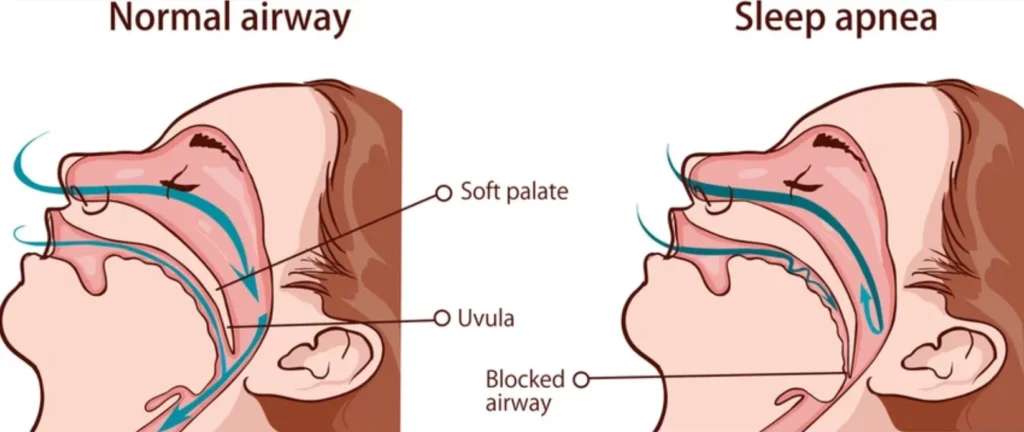
If you want a simple, grounded approach, start here: snoring can be a sign of reduced airflow. An anti snoring mouthpiece aims to change the position of your jaw or tongue to help keep the airway more open while you sleep.
Timing: When to test changes so you can tell what’s working
Snoring is inconsistent. A late meal, alcohol, allergies, a new pillow, or travel fatigue can all change your night. That’s why timing matters. You want a test window that’s stable enough to learn something.
Pick a 10–14 night “clean” trial
Choose a stretch with fewer variables. If you’re switching time zones, fighting a cold, or pulling late work nights, your results will be noisy.
Use the first week for comfort, the second for outcomes
Night 1 can be awkward. That doesn’t mean the idea failed. Give your mouth and jaw time to adapt, then judge snoring volume and sleep quality after the adjustment period.
Time it around known triggers
If snoring spikes after social drinking, on your back, or during allergy season, plan your trial so you can see whether the mouthpiece helps under those conditions. Keep the rest of your routine steady.
Supplies: What you need for a realistic snoring experiment
You don’t need a lab. You need consistency and a few basics.
- A way to track snoring: a phone app, a partner’s notes, or a simple audio recording.
- A quick morning score: rate sleep quality 1–10 and note dry mouth, jaw soreness, and headaches.
- Basic sleep supports: water, nasal saline if you get congestion, and a pillow setup that keeps your neck neutral.
- A mouthpiece plan: know whether it’s boil-and-bite, adjustable, or clinician-fitted.
If you like reading product roundups and comparisons, you’ll see mouthpieces listed alongside other sleep gadgets. That can help you shop smarter. Just remember that “popular” is not the same as “right for your anatomy.”
Step-by-step (ICI): Implement → Check → Iterate
This is the simplest way to test an anti-snoring mouthpiece without overthinking it.
1) Implement: Start with the safest, easiest setup
Follow the fitting instructions exactly. If it’s moldable, take your time. A rushed mold often leads to pressure points and a worse experience.
Wear it for short periods before sleep for the first few days if needed. That can reduce the “foreign object” feeling at bedtime.
2) Check: Measure the outcomes that actually matter
Don’t rely on one signal. Use a small set:
- Snoring intensity: quieter, shorter, or less frequent.
- Sleep continuity: fewer wake-ups or less tossing.
- Daytime function: less grogginess, fewer afternoon crashes.
- Comfort: jaw stiffness, tooth soreness, gum irritation.
If you want a broader view of what people are discussing in the news cycle, scan a Hampshire company invents and markets new anti-snoring device after years of research. Use headlines as a prompt, not proof.
3) Iterate: Adjust one variable at a time
If comfort is the problem, focus there first. A mouthpiece you can’t tolerate won’t help your sleep. If comfort is fine but snoring persists, adjust sleep position, reduce late-night alcohol, or address nasal congestion.
Also, be cautious with trend-driven “sleep hacks.” For example, mouth taping gets attention online, but it’s not a universal solution and can be unsafe for some people, especially if nasal breathing is limited.
Mistakes: What makes people quit too early (or use it unsafely)
Expecting instant perfection
Many people need a short adaptation period. If you quit after one bad night, you’ll never know whether it could have helped.
Ignoring jaw pain or bite changes
Mild soreness can happen early. Sharp pain, ongoing tooth discomfort, or noticeable bite changes are not a “push through it” situation. Stop and get professional guidance.
Using a mouthpiece to “treat” possible sleep apnea
Snoring can overlap with sleep apnea. If you have gasping, witnessed pauses, or significant daytime sleepiness, get evaluated. Sleep apnea is a medical condition, not a relationship nuisance.
Letting travel and burnout drive the decision
When you’re exhausted, it’s tempting to buy whatever ships fastest. Try not to impulse-buy. A poor fit can create new problems and make you hate the whole idea.
FAQ: Quick answers before you buy
Is an anti snoring mouthpiece the same as a mouthguard? Not always. Some products protect teeth from grinding, while anti-snoring designs aim to change jaw or tongue position to support airflow.
Will it stop snoring if I sleep on my back? It may reduce it, but back-sleeping can still worsen snoring for many people. Combining a mouthpiece with side-sleep strategies often helps.
What if my partner is the one snoring? You can still use the same test approach: track snoring, trial consistently, and watch for apnea red flags. Keep it light, but take health seriously.
CTA: A practical option to consider
If you want a simple starting point, look for a product designed specifically for snoring support rather than a generic guard. One option is an anti snoring mouthpiece, which some people like when mouth opening is part of the issue.
How do anti-snoring mouthpieces work?
Medical disclaimer: This article is for general education and does not replace medical advice. Snoring can be a symptom of sleep apnea or other health issues. If you have choking/gasping, witnessed breathing pauses, severe daytime sleepiness, chest pain, or concerns about oxygen levels, seek evaluation from a qualified clinician.