
Before you try another sleep gadget, run this quick checklist:
- Track the pattern: Is snoring worse on your back, after alcohol, or during allergy season?
- Check the fallout: Dry mouth, morning headaches, or daytime fog can signal poor sleep quality.
- Scan for red flags: Pauses in breathing, choking/gasping, or extreme sleepiness deserve medical attention.
- Decide your first tool: If snoring seems position-related, an anti snoring mouthpiece may be a reasonable next step.
- Plan for comfort: Fit, jaw feel, and cleanup determine whether you’ll actually use it.
Snoring is having a moment in the culture again. People are comparing sleep trackers, swapping “travel fatigue” hacks, and joking about relationship negotiations that start with, “You snored all night.” At the same time, burnout talk keeps rising, and sleep is the first thing many people sacrifice. The result is predictable: more tired mornings, more gadget shopping, and more questions about what actually works.
Is snoring just annoying, or is it hurting sleep quality?
Snoring can be harmless noise. It can also be a sign that airflow is getting squeezed during sleep. Even without a diagnosis, that squeeze can fragment sleep. You may spend enough hours in bed, yet still wake up unrefreshed.
Pay attention to the “next-day” clues. Irritability, trouble focusing, and needing extra caffeine can all show up when sleep quality drops. Partners often notice patterns first, especially when snoring changes with sleep position.
Quick self-check: what changed recently?
Snoring often spikes during common life moments: a new workout plan that leaves you sore (and sleeping on your back), a stressful work sprint, or a week of red-eye flights and hotel pillows. Even small shifts in routine can change airway tone and sleep posture.
Why are people suddenly talking about vitamins and snoring?
You may have seen headlines linking snoring to nutrient status, including vitamin D. These stories are useful as a reminder: snoring isn’t always “just the pillow.” Health trends come and go, but the practical takeaway stays the same—if snoring is new, worsening, or paired with fatigue, zoom out and look at the bigger sleep-health picture.
That bigger picture includes basics like daylight exposure, consistent sleep timing, and addressing nasal congestion. It also includes talking to a clinician when symptoms suggest something more than simple snoring.
If you want the general context behind the vitamin-and-snoring conversation, see this related coverage: Silent Deficiency: Why your bedtime snore might be a cry for Vitamin D.
When should you worry about sleep apnea instead of “normal” snoring?
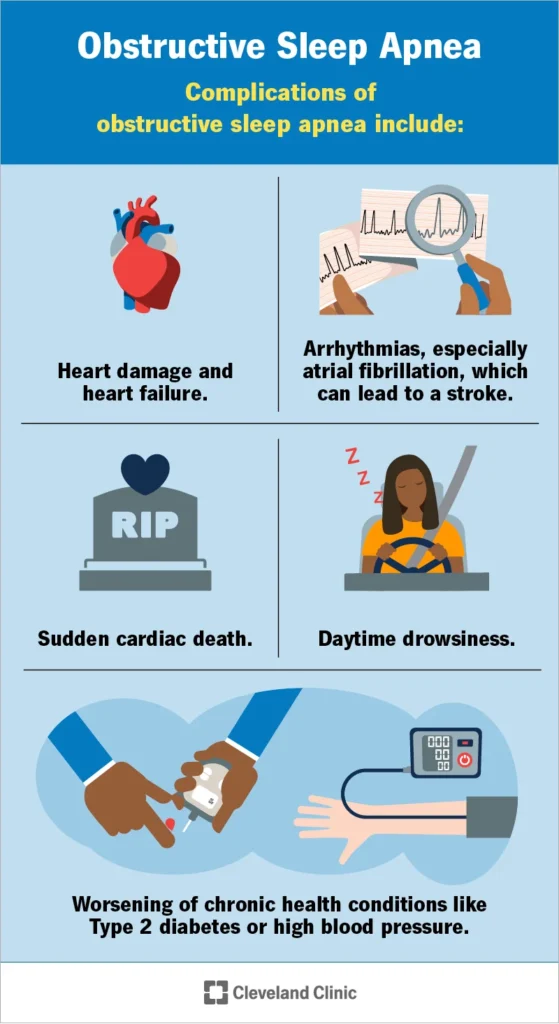
Snoring and sleep apnea can overlap, but they are not the same thing. Sleep apnea involves repeated breathing interruptions. That can affect oxygen levels and sleep architecture.
Don’t self-diagnose from a meme or a wearable score. Do take symptoms seriously. If you notice breathing pauses, gasping, chest discomfort at night, or severe daytime sleepiness, it’s time to talk with a clinician and ask about evaluation options.
Partner notes that matter
Relationship humor aside, a partner’s observations can be useful data. “You stopped breathing for a few seconds” is different from “You were loud.” If you sleep alone, audio recordings can help you describe what’s happening.
What does an anti snoring mouthpiece actually do?
Most anti-snoring mouthpieces are designed to improve airflow by changing positioning. The common approach is mandibular advancement. That means the device gently holds the lower jaw forward to help keep the airway more open.
This is a technique tool, not a vibe. If your snoring is mostly positional and related to airway narrowing, it may help. If your main issue is nasal obstruction, you may need a different strategy or a combined approach.
ICI basics: fit, comfort, and “will you wear it?”
- Initial fit: A mouthpiece should feel snug, not painful. Too loose won’t help. Too tight won’t last.
- Comfort curve: Mild drooling or jaw awareness can happen early on. Sharp pain is not a “push through it” situation.
- Incremental positioning: If the device is adjustable, small changes beat big jumps. Comfort drives consistency.
How do you choose a mouthpiece without getting lost in reviews?
Sleep product reviews are everywhere right now, and they often read like tech launches. Keep your selection criteria simple. You’re looking for a device you can fit correctly, tolerate nightly, and keep clean.
Use these filters
- Type: Boil-and-bite vs. custom-style. Start with what matches your budget and sensitivity.
- Adjustability: Helpful if you need to fine-tune jaw position over time.
- Breathing room: Some people prefer designs that allow a bit more airflow through the mouth.
- Materials and feel: Softer isn’t always better, but rough edges are a deal-breaker.
If you’re comparing models, start here: anti snoring mouthpiece.
What’s the right way to fit and use one (without making it miserable)?
Most failures come from rushing the setup. People try it once, hate it, and toss it in a drawer next to the abandoned sleep mask. Give yourself a short ramp-up period.
Technique: positioning and nightly routine
- Start on a low-stress night: Not the night before a big meeting or after a long flight.
- Seat it evenly: Bite down as instructed so it molds symmetrically.
- Pair it with posture: Side-sleeping and head/neck alignment can amplify results.
- Re-check in the morning: Note jaw stiffness, gum irritation, or tooth pressure.
Cleanup that keeps it usable
Rinse after each use. Brush gently with mild soap if allowed. Let it air-dry fully. A funky device becomes a “nope” fast, which kills consistency.
What else helps sleep health while you’re addressing snoring?
Snoring fixes work better when the rest of sleep is protected. That matters even more during high-stress seasons and workplace burnout cycles. You can’t out-gadget a chaotic schedule, but you can reduce the damage.
Fast wins that don’t require perfection
- Keep a steady wake time: It anchors your sleep rhythm.
- Limit late alcohol: It can worsen snoring for many people.
- Decongest smartly: If you’re stuffy, address it before bed with clinician-approved options.
- Plan for travel fatigue: Hydration, nasal comfort, and side-sleeping support can help on the road.
Common questions people ask after the first week
“Why did it work one night and not the next?”
Snoring is sensitive to sleep position, congestion, and fatigue. A mouthpiece can help, but it won’t override every variable. Track what changed: back-sleeping, alcohol, allergies, or a shorter night.
“Is jaw soreness normal?”
Mild soreness can happen early. Ongoing pain, bite changes, or tooth discomfort should be discussed with a dentist or clinician. Comfort is not optional if you want long-term use.
“Can I use it if I suspect sleep apnea?”
Don’t use a mouthpiece as a substitute for evaluation if you have apnea symptoms. A clinician can help you choose the safest path and confirm what’s actually happening during sleep.
Next step: pick one action you’ll do tonight
If snoring is hurting your sleep quality, choose one move you can repeat. That might be side-sleeping support, a congestion plan, or testing a mouthpiece with a real ramp-up period.
How do anti-snoring mouthpieces work?
Medical disclaimer: This article is for general education only and is not medical advice. Snoring can be a symptom of obstructive sleep apnea or other conditions. If you have breathing pauses, gasping, chest pain, severe daytime sleepiness, or concerns about your health, seek evaluation from a qualified clinician.