
On the third night of a work trip, someone in the hotel room next door started snoring like a leaf blower. The walls were thin. The morning meeting was not.
That’s why snoring is having a moment again. People are buying sleep gadgets, testing viral “hacks,” and joking about it in relationships—because bad sleep shows up everywhere. It hits mood, focus, workouts, and patience at 2 p.m. when burnout is already waiting.
The big picture: why snoring ruins sleep quality
Snoring is more than an annoying sound. It often signals turbulent airflow as breathing moves through a partially narrowed airway. That noise can fragment sleep for the snorer, the partner, or both.
Sleep trends come and go, but the goal stays the same: more continuous sleep. That’s why tools like nasal strips, dilators, humidifiers, and mouthpieces keep resurfacing in “best of” lists and reviews.
Some headlines also highlight simpler, lower-risk approaches being explored in certain groups. For example, you may see discussions about saline and sleep-disordered breathing in kids. That doesn’t mean it’s a universal fix. It does reinforce a theme: airway comfort and breathing pathways matter.
If you want a general reference point, you can scan this related coverage here: Saline Succeeds for Children With Sleep-Disordered Breathing.
The emotional side: partners, travel fatigue, and “sleep jokes” that aren’t funny
Snoring turns into relationship humor because it’s easier than admitting what it costs. Separate blankets. Someone “accidentally” falls asleep on the couch. Earplugs become a nightly ritual.
Travel makes it worse. New pillows, dry hotel air, late dinners, and a few drinks can all push snoring louder. Then the next day feels like a caffeine-and-willpower contest.
If you’re in that loop, you don’t need a perfect solution. You need a practical one you can repeat.
Practical steps first: a fast, no-drama snoring checklist
1) Reset your setup before you buy another gadget
Start with basics that reduce airflow resistance. Clear nasal congestion when possible. Keep the bedroom air comfortable. If you notice snoring spikes with alcohol or heavy late meals, treat that as a data point.
2) Try positioning that supports the airway
Back sleeping often makes snoring worse for many people. Side sleeping can help some snorers. You don’t need an expensive system. A simple positioning habit can be enough to test the idea.
3) Add a tool: where an anti snoring mouthpiece fits
An anti snoring mouthpiece is popular because it’s straightforward. Many designs aim to keep the lower jaw or tongue from falling back during sleep, which may reduce vibration and noise.
People like mouthpieces because they’re portable. They also pair well with the “real life” problems: travel fatigue, shared bedrooms, and unpredictable schedules.
Tools and technique: fit, comfort, positioning, and cleanup
Comfort and fit: the part that decides whether you’ll actually use it
Even a great mouthpiece fails if it feels bulky or causes soreness. Aim for a fit that feels secure but not forced. The goal is gentle positioning, not clenching.
If you wake with jaw tension, reduce how aggressively it holds your bite (if adjustable) and give yourself an adaptation period. Consistency beats intensity.
Positioning basics (keep it simple)
Think of the mouthpiece as a small alignment tool. If it helps keep the airway more open, snoring may drop. If it pushes you into discomfort, you’ll rip it out at 1 a.m. and the experiment ends.
Cleanup: quick routine, fewer surprises
Rinse after each use. Clean it with a gentle method recommended by the manufacturer. Let it dry fully. That reduces odor, film buildup, and the “why does this taste weird?” problem.
Safety and testing: avoid the risky shortcuts
Be cautious with viral sleep hacks
Social platforms love bold claims. Mouth taping is one example that keeps trending, including versions aimed at parents. The reality is that restricting airflow can be risky for some people. If you have frequent congestion, anxiety about breathing, or any concern for sleep apnea, talk with a clinician first.
Nasal aids can help some people, but results vary
Nasal strips and internal dilators are widely discussed in reviews and clinical summaries. They may help if nasal resistance is a key driver. They may do little if the main issue is deeper in the throat.
Know when snoring is a bigger signal
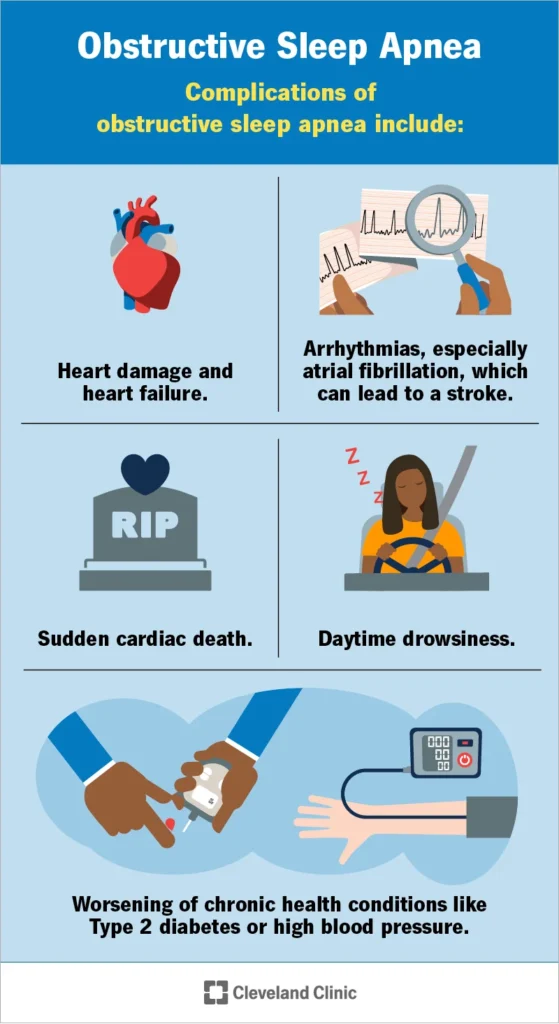
Snoring can coexist with obstructive sleep apnea. Get evaluated if you have loud snoring plus choking/gasping, witnessed breathing pauses, or major daytime sleepiness. A mouthpiece can be part of a plan, but it shouldn’t delay a needed assessment.
Medical disclaimer: This article is for general education only and is not medical advice. It does not diagnose, treat, or replace care from a qualified clinician. If you suspect sleep apnea, have persistent symptoms, or are considering changes for a child, seek professional guidance.
Product option: a mouthpiece approach some sleepers prefer
If you want a single purchase that targets mouth positioning and adds extra stability, consider an anti snoring mouthpiece. Many couples like “combo” setups because they’re easier to keep consistent night after night.
FAQs: quick answers before you commit
Will a mouthpiece stop snoring instantly?
Sometimes you’ll notice improvement quickly. Many people need a short adjustment period to dial in comfort and fit.
What if I only snore when I’m exhausted or traveling?
That pattern is common. Keep the mouthpiece in your travel kit and test it on the nights you’re most likely to snore: late flights, dry rooms, or after big meals.
Can I combine a mouthpiece with nasal support?
Some people do. If nasal blockage is part of your snoring, addressing both pathways may help. If you feel restricted breathing, stop and ask a clinician.