
Myth: Snoring is just a noisy habit, and the only person losing sleep is your partner.
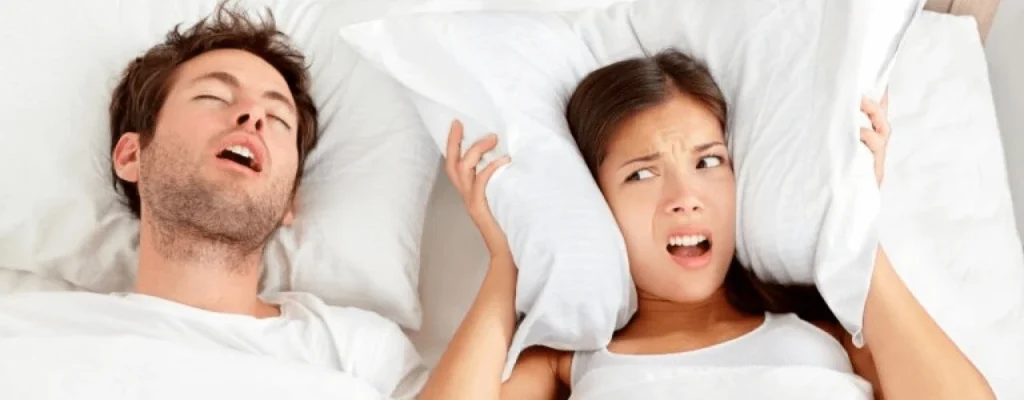
Reality: Snoring often signals fragmented sleep. That can leave you feeling drained, even if you “got eight hours.” It also turns bedtime into a nightly negotiation—especially after travel fatigue, late work emails, or one more attempt at “sleepmaxxing.”
Why is everyone suddenly talking about sleep quality?
Sleep is having a moment. Wearables, smart rings, white-noise machines, and influencer routines have made nights feel like a performance review.
At the same time, more people are looking for plain-language guidance from sleep pros and coaches. The trend is simple: less chaos, more consistency, and fewer gadgets that make you anxious about sleeping “perfectly.”
Is snoring just annoying, or can it affect sleep health?
Snoring can be a relationship joke—until it isn’t. If it wakes you up, wakes your partner, or forces you to sleep in a different room, it’s affecting sleep quality.
Also, snoring sometimes shows up with red flags like gasping, choking, morning headaches, or heavy daytime sleepiness. Those symptoms deserve medical attention because they can overlap with sleep-disordered breathing.
What actually causes snoring at night?
Snoring usually happens when airflow is partially blocked and soft tissues vibrate. The “why” varies, which is why one-size-fits-all fixes flop.
Common contributors include nasal congestion, sleep position, alcohol close to bedtime, and anatomy. Stress and burnout don’t “cause” snoring directly, but they can worsen sleep depth and recovery, making the whole problem feel louder.
Which quick habits help before you buy another sleep gadget?
If your bedside table looks like a tech store, try these basics first. They’re boring, but they work for many people.
Reset timing after travel or late nights
Pick a realistic wake time and protect it for a week. That anchor can stabilize your schedule after trips, shift changes, or a stretch of burnout.
Reduce common snore triggers
Consider avoiding alcohol close to bedtime and addressing nasal stuffiness when it’s relevant. Side sleeping can help some people, too.
Stop “sleepmaxxing” your brain
Tracking can be helpful. But if you’re checking scores at 2 a.m., it may backfire. Use data for trends, not nightly judgment.
Where does an anti snoring mouthpiece fit in?
An anti snoring mouthpiece is popular because it’s practical: no charging, no app, and no complicated setup. Many designs aim to improve airflow by changing jaw or tongue position during sleep.
It’s not a magic fix for every snorer. Fit and comfort matter. So does choosing the right style for your mouth, teeth, and sleep habits.
How do I know if a mouthpiece is worth trying?
Start with the problem you’re trying to solve. Is it partner-disturbing snoring? Is it waking yourself up? Is it worse on your back or after a drink?
Then keep the decision simple:
- Good sign: You mainly want to reduce snoring noise and improve sleep continuity.
- Pause and get checked: You have loud snoring plus gasping, choking, or significant daytime sleepiness.
- Be cautious: You have jaw pain, dental instability, or bite concerns.
What should I look for in an anti-snoring mouthpiece?
Ignore hype and focus on usability. The best device is the one you can actually wear consistently.
Comfort and adjustability
If it feels bulky or painful, you won’t use it. Look for designs that aim for a secure but tolerable fit.
Support for mouth breathing or jaw drop
Some people snore more when the jaw falls open. A combo approach may appeal if that’s your pattern.
A plan for the first week
Expect an adjustment period. Build in a few nights to get used to it, and don’t force it through pain.
What are experts and headlines emphasizing right now?
Recent coverage keeps circling the same themes: consistent routines, realistic expectations, and not letting optimization become insomnia. There’s also a steady drumbeat of practical snoring tips from clinicians—because the basics still matter.
If you want a general, non-hype starting point, see this resource on Local sleep specialist shares tips to wake up feeling rested and compare it with your current habits.
Common question: Can I combine a mouthpiece with other sleep upgrades?
Yes, as long as you keep it sane. Pairing a mouthpiece with side-sleeping, a consistent wake time, and a calmer wind-down routine can be more effective than stacking five new gadgets at once.
When you change everything at the same time, you can’t tell what helped. Pick one or two moves, test for a couple weeks, then adjust.
FAQ: Quick answers before you commit
Will a mouthpiece stop snoring forever?
It depends on the cause of your snoring and how consistently you use it. Snoring can change with weight, congestion, stress, and aging.
What if my partner says I still snore?
Treat it like troubleshooting: check sleep position, alcohol timing, nasal congestion, and whether the device is fitting correctly.
Should I “push through” discomfort?
No. Mild adjustment is common, but pain isn’t a goal. Stop and seek professional guidance if symptoms persist.
Try a practical option (without overthinking it)
If you’re looking for a straightforward product route, consider an anti snoring mouthpiece. It’s a common pairing for people who suspect jaw drop or mouth breathing plays a role.
How do anti-snoring mouthpieces work?
Medical disclaimer: This article is for general education and does not provide medical advice, diagnosis, or treatment. If you have symptoms such as choking/gasping during sleep, significant daytime sleepiness, chest pain, or concerns about heart health, seek care from a qualified clinician.