
Myth: Snoring is just “one of those things” you live with.
Reality: Snoring can punch holes in sleep quality, raise stress in the bedroom, and turn small annoyances into big arguments. If you’re juggling travel fatigue, workplace burnout, or a partner who’s now sleeping with earbuds, this is not a minor issue.
This guide stays practical. You’ll learn when to take snoring seriously, what to try first, and how an anti snoring mouthpiece fits into a calm, no-drama plan.
Overview: What’s happening when snoring takes over
Snoring usually means airflow is getting noisy as tissues in the upper airway vibrate. Sometimes it’s tied to congestion, sleep position, alcohol, or weight changes. Other times, it’s a sign of something bigger.
Sleep content is everywhere right now—wearables, “sleepmaxxing” gadgets, nasal strips, and viral hacks. Some ideas are harmless experiments. Others can distract you from the basics: breathing well and sleeping deeply.
One headline that’s been circulating highlights a simple approach used in kids with sleep-disordered breathing, pointing to how much the nose and airway comfort can matter. If you want the broader context, see this Saline Succeeds for Children With Sleep-Disordered Breathing.
Timing: When to act (and when to stop guessing)
Use this timing rule: act now if snoring is frequent and your days feel worse. Don’t wait for it to “burn out” like a trend.
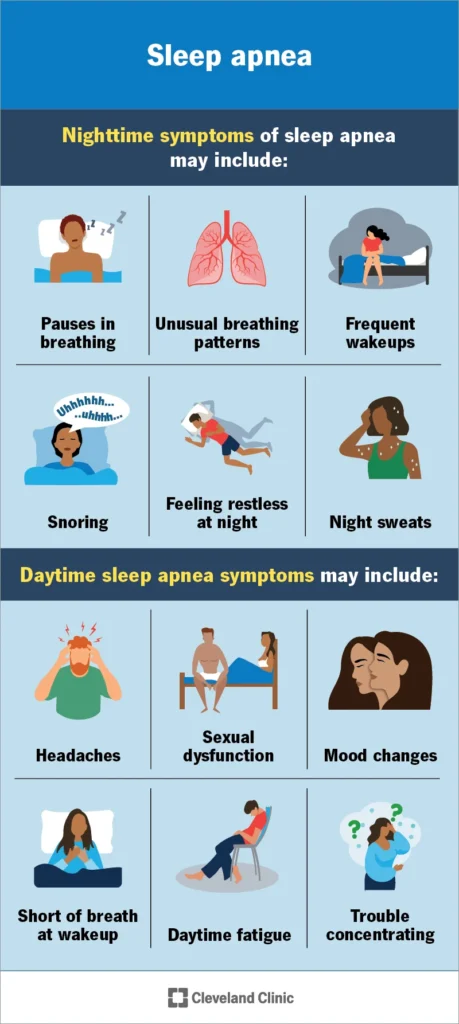
Move faster if you notice red flags
- Choking, gasping, or witnessed pauses in breathing
- Morning headaches, dry mouth, or severe daytime sleepiness
- High blood pressure, heart risk factors, or new/worsening fatigue
- Snoring in a child (always worth a pediatric conversation)
These can overlap with sleep apnea and other conditions. A mouthpiece can help some people, but it’s not a substitute for medical evaluation when warning signs show up.
Supplies: What you actually need (skip the gadget pile)
You don’t need a nightstand full of tech to run a smart trial. Keep it simple.
- A short notes app log (snoring intensity, wake-ups, energy)
- Basic nasal comfort support if you’re congested (saline rinse/spray can be part of that routine for some people)
- A plan for sleep position (side-sleeping support if it helps)
- If appropriate: a quality mouthpiece designed for snoring
If you’re comparing options, start here: anti snoring mouthpiece.
Step-by-step (ICI): Identify → Choose → Implement
1) Identify your most likely snoring driver
Ask three quick questions:
- Nose: Are you blocked up at night or waking with a dry mouth?
- Position: Is it worse on your back?
- Jaw/tongue: Does it improve when your jaw is slightly forward or when you side-sleep?
This isn’t a diagnosis. It’s a way to pick a first experiment that matches your situation.
2) Choose one primary tool for a 14-night trial
Pick one main change so you can tell what worked.
- If congestion is the big issue, focus on nasal comfort and routine.
- If back-sleeping triggers it, focus on position training.
- If it feels like the jaw/tongue area is the problem, an anti-snoring mouthpiece may be a reasonable next step.
Why 14 nights? Because the first few nights can be weird. Your mouth and jaw need time to adapt, and your partner needs time to notice a real pattern.
3) Implement like you mean it (without turning bedtime into a debate)
Snoring is emotional. It’s also loud. Keep the relationship side clean with a simple script: “I’m running a two-week test, and I want your feedback.”
- Set a consistent bedtime window when possible.
- Avoid alcohol close to bedtime during the trial if you can.
- Use the mouthpiece exactly as directed and stop if you feel sharp pain.
- Track outcomes in plain language: “woke up 2x,” “partner nudged me,” “felt human at 10 a.m.”
Travel week? Still test. Hotel air, jet lag, and late meals can spike snoring. That’s useful data, not a failure.
Mistakes that waste money (and patience)
Buying three fixes at once
If you start a mouthpiece, nasal dilator, new pillow, and mouth taping in the same week, you’ll learn nothing. You’ll only learn you’re tired.
Ignoring the “mouth taping” risk conversation
Mouth taping keeps popping up on social media, including parent-focused discussions. The problem is simple: if your nose isn’t reliably clear, blocking the mouth can feel awful or be unsafe for some people. If you’re tempted, talk to a clinician first—especially for kids.
Powering through jaw pain
Discomfort can happen early on. Sharp pain, worsening bite feel, or persistent jaw symptoms are not “normal grit.” Stop and get professional advice.
Not screening for sleep apnea signals
If your partner hears pauses in breathing or you’re exhausted despite “enough” hours, don’t self-treat forever. Get evaluated.
FAQ: Fast answers for tonight
Can an anti snoring mouthpiece improve sleep quality?
It can for some people by reducing snoring and micro-awakenings. Results depend on fit, comfort, and the cause of snoring.
What if my partner is the one snoring?
Make it a teamwork problem, not a character flaw. Agree on a two-week test and one shared metric (like fewer wake-ups).
Do nasal dilators help?
Some research reviews discuss nasal dilators for sleep-disordered breathing, with mixed outcomes. They’re usually a low-commitment option when nasal blockage is the main issue.
CTA: Pick one next step and start the 14-night test
If snoring is cutting into your sleep, your mood, or your relationship, don’t wait for the next viral “sleep hack.” Choose one intervention and test it consistently.
How do anti-snoring mouthpieces work?
Medical disclaimer: This article is for general education only and is not medical advice. Snoring can be a sign of sleep apnea or other health conditions. If you have choking/gasping, breathing pauses, severe daytime sleepiness, or concerns about a child’s sleep, seek evaluation from a qualified clinician.