
Is your snoring loud enough to travel through walls? Are you “sleep tracking” everything but still waking up tired? And are you wondering if an anti snoring mouthpiece is a real fix or just another gadget?
Snoring is having a moment. Between sleep wearables, “sleepmaxxing” chatter, travel fatigue, and workplace burnout, people are chasing better rest from every angle. Some strategies help. Others add stress. This guide keeps it simple and practical, with clear “if…then…” choices and a focus on comfort, positioning, and cleanup.
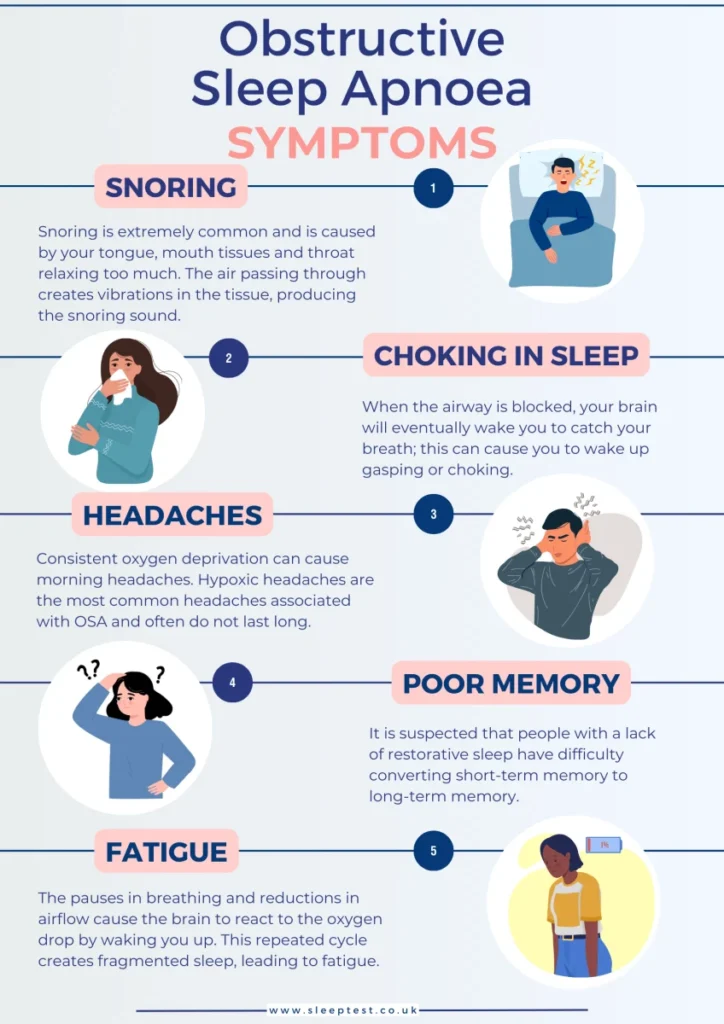
Medical disclaimer: This article is educational and not medical advice. Snoring can be a sign of obstructive sleep apnea or other conditions. If you have breathing pauses, choking/gasping, severe daytime sleepiness, or other concerning symptoms, seek care from a qualified clinician.
First: what snoring is (in plain language)
Snoring usually happens when airflow meets soft tissue that vibrates during sleep. The “why” can vary. Nasal congestion, sleep position, alcohol, weight changes, and jaw/tongue position can all play a role.
That’s why the internet feels like an “ocean of advice” right now. One person swears by a wearable. Another tries a viral hack. Someone else hires a sleep coach. Your best move is to match the tool to the likely cause.
The decision map: if…then… choose your next step
If your snoring is worse on your back, then start with positioning
Back sleeping can let the jaw and tongue drift backward. That narrows the airway and makes vibration more likely.
- Try a side-sleep setup: a supportive pillow, a body pillow, or a simple “keep me off my back” cue.
- Then reassess: if side sleeping clearly reduces snoring, you may not need more gear.
If side sleeping helps but doesn’t fully solve it, then consider a mouthpiece
This is the sweet spot for many people. A well-fitting anti snoring mouthpiece can help by improving jaw position and stabilizing airflow. You’re aiming for less vibration, not a heroic overnight transformation.
Comfort matters. If it hurts, you won’t wear it. If you don’t wear it, it can’t help.
If you wake up with a dry mouth, then look at mouth breathing and gentle support
Dry mouth can come from mouth breathing, which can show up with snoring. Some people explore trendy ideas like mouth taping, but it’s not a universal solution and it can be risky for certain individuals.
A more practical route is to support a stable sleep posture and consider options that pair jaw positioning with additional support. For example, an anti snoring mouthpiece may appeal to people who want a more “stay-put” feel at night.
If you’re overwhelmed by sleep gadgets, then simplify your tracking
Sleep tracking can be useful, but it can also become a stress loop. Recent conversations about “sleepmaxxing” and tracking overload point to a simple truth: more data isn’t always more rest.
- Pick one metric you care about (like wake-ups or total sleep time).
- Run a two-week experiment with one change at a time: position first, then mouthpiece, then bedtime routine.
- Stop doom-scrolling advice after you’ve chosen your plan for the week.
If you want a broader view of the tracking conversation, see this related coverage: Local sleep specialist shares tips to wake up feeling rested.
If travel fatigue is part of the problem, then build a “first-night” routine
Hotel beds, late flights, and unfamiliar noise can make snoring worse. A simple routine can reduce the chaos.
- Hydrate earlier in the evening, then taper.
- Keep nasal breathing easy (address congestion with clinician-approved options if needed).
- Use the same mouthpiece routine you use at home so your body recognizes the pattern.
If your partner jokes about “sleep divorce,” then focus on what changes the sound fast
Relationship humor around snoring is everywhere for a reason: it’s common and it’s disruptive. The fastest wins are usually positioning and a consistent mouthpiece fit. Earplugs and white noise can help the listener, too, but reducing the source is the long-term play.
Anti-snoring mouthpiece basics: ICI (Insert, Comfort, Improve)
Insert: get the fit right before you judge it
Many mouthpieces fail because people rush the setup. Follow the product instructions closely. A sloppy fit can feel bulky and may not hold position well.
Comfort: prevent the “I ripped it out at 2 a.m.” problem
- Start gradual: wear it for short periods before sleep for a few nights.
- Watch pressure points: soreness is a sign to adjust or reconsider.
- Pair with side sleeping if that’s your known trigger.
Improve: measure success by mornings, not perfection
Better sleep health often shows up as fewer wake-ups, less dry mouth, and a calmer morning. Your snore score might not hit zero. You still win if rest improves.
Cleanup that keeps the routine easy (and less gross)
If cleaning feels annoying, you’ll skip it. Then odor and buildup show up, and the mouthpiece ends up in a drawer.
- Right after use: rinse with cool or lukewarm water.
- Daily: gently brush with mild soap (unless your product says otherwise).
- Dry fully: let it air-dry before storing.
- Weekly check: look for wear, rough edges, or changes in fit.
When to skip DIY and get checked
Snoring is sometimes just snoring. It can also signal sleep-disordered breathing. Don’t self-manage if you notice breathing pauses, choking/gasping, persistent daytime sleepiness, or if a bed partner reports alarming patterns.
FAQs
Do anti-snoring mouthpieces work for everyone?
No. They’re most promising when jaw position contributes to snoring, but they won’t match every cause.
How long does it take to get used to a mouthpiece?
Often several nights to a couple of weeks. Gradual wear can improve comfort.
What’s the difference between a mouthguard and a mandibular advancement device?
An advancement-style mouthpiece aims to position the lower jaw forward to reduce snoring. A standard guard mainly protects teeth.
Is mouth taping a safe alternative for snoring?
It’s a trend, not a universal fix. If breathing through your nose isn’t consistently easy, avoid it and talk with a clinician.
How do I clean an anti-snoring mouthpiece?
Rinse after use, clean gently daily, and let it dry completely. Follow the product’s care instructions.
When should snoring be checked by a professional?
If there are breathing pauses, gasping, significant sleepiness, or other red flags, get evaluated.
CTA: pick one change tonight
If you’re stuck in research mode, choose one simple test: side sleeping plus a consistent mouthpiece routine for two weeks. That’s enough time to learn if it helps your sleep quality without turning bedtime into a project.