
Snoring is rarely just “a noise.” It’s a nightly negotiation between comfort, exhaustion, and whoever is trying to sleep next to you.
Add travel fatigue, burnout, and a nightstand full of sleep gadgets, and it’s easy to feel like you’re doing everything—yet waking up wrecked.
If your sleep is getting worse, a simple decision path can help you choose your next move, including whether an anti snoring mouthpiece belongs in the plan.
The conversation right now: sleep tracking, coaching, and “sleepmaxxing”
Sleep has become a hobby for some people. Trackers, smart rings, mouth tape, white noise playlists, and “perfect routine” checklists are everywhere.
That can help. It can also backfire if you end up chasing numbers and stressing at bedtime. The best trend is the one that makes your nights calmer and your mornings easier.
If you want a grounded starting point, skim these Local sleep specialist shares tips to wake up feeling rested and then come back to the snoring-specific decisions below.
An if-then decision guide for snoring, sleep quality, and mouthpieces
Use this like a choose-your-own-adventure. Pick the branch that sounds most like your nights.
If the snoring is a relationship problem first… then start with a two-minute reset talk
If snoring has turned into jokes, nudges, or separate bedrooms, you’re not alone. Resentment builds fast when one person feels blamed and the other feels sleep-deprived.
Then try this: agree on one shared goal for the next 14 nights—“quiet enough to stay asleep”—and one shared rule—“no midnight arguing.” You’re solving a sleep problem, not winning a case.
If you snore louder on trips… then treat travel fatigue as the trigger
Travel changes everything: bedtime, alcohol timing, hydration, and sleeping position. Hotel pillows can push your head and jaw into a new angle.
Then focus on the simplest levers: keep a consistent lights-out window, limit late drinks, and try side-sleeping. If you want a portable tool, a mouthpiece can be easier to pack than a pile of gadgets.
If you wake up tired even after “enough” hours… then look beyond the clock
Sleep quality isn’t just duration. Fragmented sleep can leave you foggy even if your app says you got eight hours.
Then ask: are you waking up from your own snoring, dry mouth, or frequent repositioning? If yes, a mouthpiece may help by improving airflow for some snorers.
If you’re “sleepmaxxing” and still stressed… then stop chasing perfect
When bedtime becomes a performance, your brain stays on duty. That can make falling asleep harder, even if your routine is flawless.
Then simplify: pick one change you can repeat nightly. For snoring-specific action, that “one change” is often a well-fitted mouthpiece rather than another app to monitor.
If your snoring is positional… then test the side-sleep + mouthpiece combo
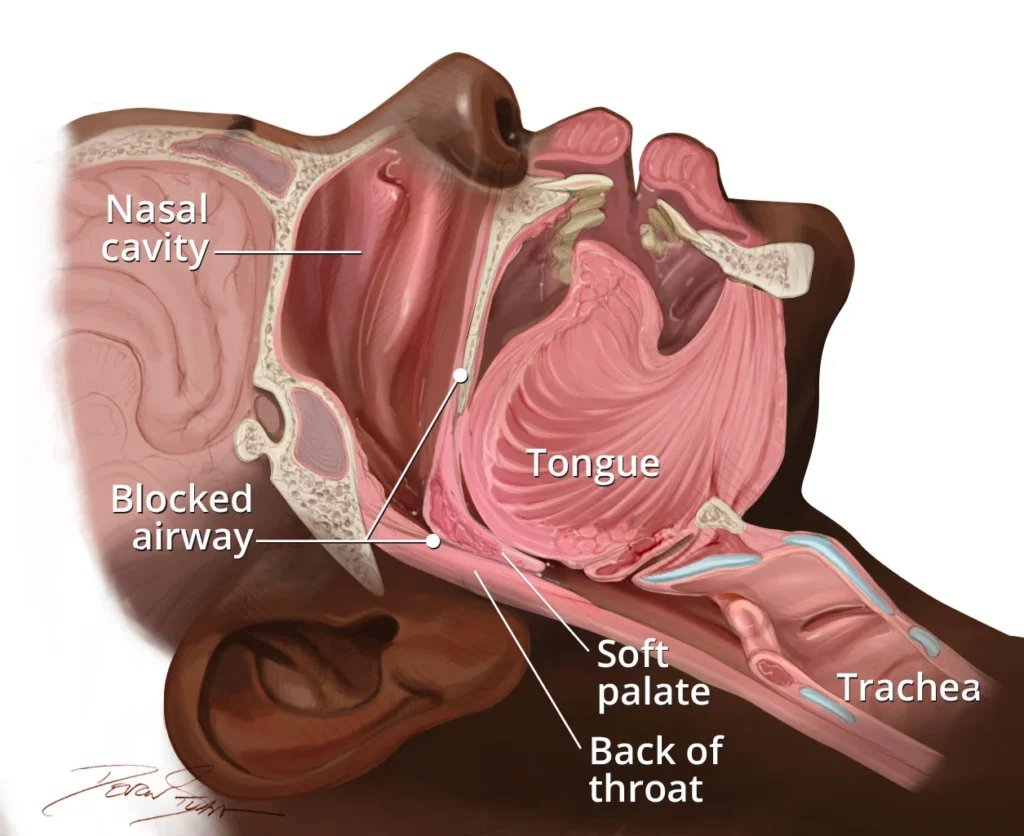
Many people notice snoring spikes on their back. Gravity can pull the jaw and tongue backward, narrowing the airway.
Then try side-sleeping first. If it helps but doesn’t fully solve it, an anti snoring mouthpiece may add support by keeping the lower jaw slightly forward for some users.
If you suspect something more serious… then treat it as a health check, not a DIY project
Snoring can be harmless, but it can also show up with conditions that need medical attention, including sleep apnea. Watch for red flags like choking/gasping, witnessed breathing pauses, morning headaches, or heavy daytime sleepiness.
Then talk to a clinician or a sleep specialist about screening. A mouthpiece may still be part of the solution, but you’ll want the right plan for your situation.
Where an anti snoring mouthpiece fits (and where it doesn’t)
A mouthpiece is not a magic charm. It’s a mechanical tool.
In general, it’s most relevant when snoring is linked to jaw or tongue position during sleep. It may be less helpful if the main issue is severe nasal congestion, inconsistent sleep schedules, or heavy late-night alcohol use.
Quick buying checklist: keep it practical
- Comfort first: If it hurts, you won’t wear it.
- Fit and adjustability: Small changes can matter for comfort and results.
- Plan for an adaptation window: Give it multiple nights, not one.
- Track outcomes that matter: Fewer wake-ups, less partner disruption, better mornings.
If you’re comparing options, start here: anti snoring mouthpiece.
FAQ: fast answers for real life
Will a mouthpiece stop snoring immediately?
Sometimes you’ll notice changes quickly, but many people need several nights to dial in comfort and consistency.
What if I only snore when I’m exhausted?
That pattern is common with burnout and travel. Treat recovery and routine as part of the fix, not a separate project.
Can my partner do anything besides earplugs?
Yes. Agree on a plan, a timeline, and a signal that isn’t angry. Snoring solutions stick better when both people feel respected.
CTA: choose one next step tonight
If you’re done experimenting with random hacks, pick one measurable change for the next two weeks. For many couples, that’s testing a mouthpiece consistently and judging results by sleep quality, not hype.
How do anti-snoring mouthpieces work?
Medical disclaimer: This article is for general education only and is not medical advice. Snoring can have multiple causes. If you have symptoms that suggest sleep apnea or another health issue, seek evaluation from a qualified clinician.