
Snoring isn’t just a punchline. It can turn a normal night into a groggy morning for you and anyone within earshot. And lately, it’s tangled up with trends: sleep trackers, “sleep optimization,” travel fatigue, and burnout recovery.
This guide helps you pick the next step that improves sleep quality without missing safety red flags.
Start here: a fast “if…then…” decision guide
If snoring is new, suddenly louder, or paired with daytime exhaustion… then screen first
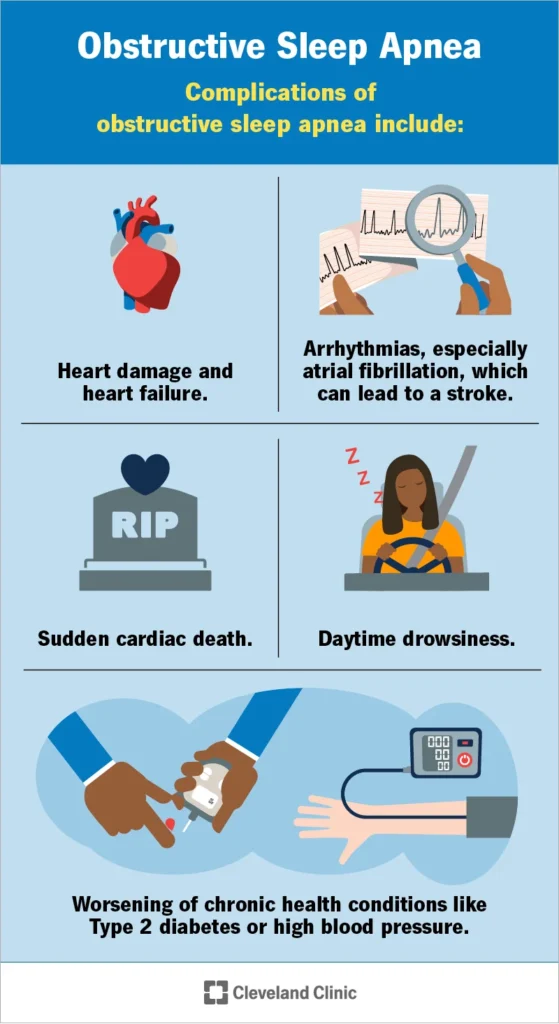
When people say they “just need a gadget,” it’s often because they’re tired of being tired. But loud, persistent snoring can overlap with sleep-disordered breathing, including sleep apnea.
Then: don’t self-label it. If you notice choking/gasping, witnessed breathing pauses, or extreme sleepiness, book a medical evaluation. This is the safest first step and it documents that you didn’t ignore warning signs.
If the main problem is jaw/tongue position at night… then consider an anti snoring mouthpiece
Many people snore more on their back or after alcohol, when the jaw relaxes and the tongue drifts backward. In those cases, an anti snoring mouthpiece may help by supporting a better airway shape during sleep.
Then: prioritize comfort and consistency. A solution that’s worn nightly usually beats an “ideal” device that sits in a drawer.
One practical option people look for is a combo approach that supports both mouth and jaw position. Here’s a relevant example: anti snoring mouthpiece.
If your nose feels blocked at night… then test a nasal-first approach (and keep expectations realistic)
Not all snoring starts in the throat. Dry air, allergies, or a stuffy nose can push you toward mouth breathing, which may worsen noise and sleep quality.
Then: consider nasal strategies (humidity, allergy management with professional guidance, or mechanical aids). There’s also ongoing discussion about how well nasal dilators perform across different sleep-disordered breathing scenarios. If you want a research-flavored starting point, see Local sleep specialist shares tips to wake up feeling rested.
If you’re “sleep tracking” and it’s making you anxious… then simplify your inputs
Sleep tech is everywhere right now, and it can be useful. It can also turn bedtime into a performance review. That stress alone can keep you awake.
Then: use tracking to spot trends (bedtime consistency, alcohol nights, travel weeks). Avoid treating a single score as a diagnosis. Pair data with how you feel during the day.
If you’re tempted by viral hacks (like mouth taping)… then choose caution over clicks
Social media trends can make snoring sound like a one-step fix. But any method that restricts breathing routes deserves extra care, especially for kids and anyone with nasal blockage or possible sleep apnea.
Then: don’t DIY your way into a problem. If you can’t breathe well through your nose, forcing mouth closure is not a smart experiment.
If travel fatigue or burnout is the real driver… then stabilize the basics before buying more gear
Workplace burnout and frequent travel can wreck sleep rhythm. That often makes snoring worse, too. You’re not failing at sleep; your schedule is.
Then: aim for boring consistency: a fixed wake time, lighter late meals, and fewer late-night drinks. If snoring still disrupts sleep, add a targeted tool (like a mouthpiece) rather than stacking random gadgets.
Quick safety notes (reduce risk, document your choices)
- Stop and reassess if a mouthpiece causes sharp jaw pain, tooth discomfort, or bite changes.
- Don’t ignore red flags like choking/gasping, pauses in breathing, or severe daytime sleepiness.
- Keep it clean: rinse and dry devices as directed to lower irritation risk.
- Be cautious with “hacks” that restrict airflow or promise instant results.
FAQs
Do anti-snoring mouthpieces work for everyone?
No. They’re best aligned with snoring related to jaw and tongue position. If nasal obstruction or sleep apnea is the main issue, results may be limited.
How can I tell if snoring might be sleep apnea?
Look for loud snoring plus choking/gasping, witnessed pauses, morning headaches, high blood pressure concerns, or major daytime sleepiness. A clinician can guide proper testing.
Are nasal dilators a good alternative to a mouthpiece?
Sometimes. If nasal resistance is the trigger, they may help. If the sound is coming from throat collapse or jaw relaxation, a mouth-focused solution may fit better.
Is mouth taping safe for snoring?
It depends, and that’s the problem. If you have nasal blockage, anxiety, reflux, or possible sleep apnea, it may be unsafe. Get professional advice if you’re considering it.
What should I do if a mouthpiece causes jaw pain?
Stop using it and check fit and design. Ongoing pain or bite concerns should be reviewed by a dental professional.
Can sleep tracking devices diagnose why I snore?
No. They can surface patterns, but they can’t diagnose sleep apnea or pinpoint anatomy. Use them to guide questions, not to self-diagnose.
Next step: pick one path for the next 14 nights
If your symptoms don’t raise red flags, choose one targeted change and stick with it for two weeks. That could be a mouthpiece, a nasal approach, or a routine reset. Consistency beats constant switching.
How do anti-snoring mouthpieces work?
Medical disclaimer: This article is for general education and is not medical advice. It does not diagnose, treat, or replace care from a licensed clinician. If you suspect sleep apnea or have severe daytime sleepiness, choking/gasping at night, or witnessed breathing pauses, seek medical evaluation.