
Before you try anything for snoring, run this quick checklist:
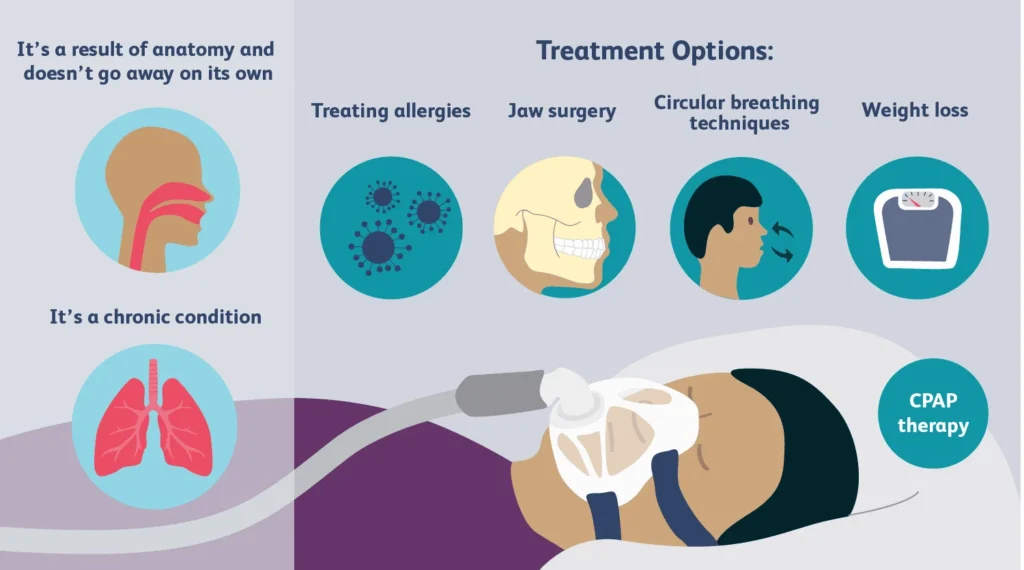
- Track the pattern: Is it every night or mostly after alcohol, late meals, or travel?
- Notice the fallout: Dry mouth, morning headaches, or daytime sleepiness?
- Check the relationship impact: Separate blankets, couch nights, or “you were a chainsaw” jokes?
- Don’t get lost in gadgets: Sleep trackers can help, but “sleepmaxxing” can also become its own stress loop.
- Know the red flags: Witnessed pauses in breathing, gasping, or severe sleepiness deserve a medical conversation.
Big picture: why snoring is trending again
Sleep is having a moment. Wearables, apps, and viral hacks keep showing up in feeds, and people are comparing scores like it’s a fitness leaderboard. At the same time, travel fatigue, packed schedules, and workplace burnout make “good sleep” feel like a luxury item.
Snoring sits right in the middle of that cultural swirl. It’s annoying, it’s common, and it can wreck sleep quality for two people at once. That’s why tools like an anti snoring mouthpiece keep coming up in conversations—especially when people want a practical option that doesn’t require a complicated setup.
The human side: sleep isn’t just personal—it’s shared
Snoring can turn bedtime into a negotiation. One person wants silence. The other feels blamed for something they can’t fully control. Add a new baby, a demanding job, or jet lag, and patience gets thin fast.
A mouthpiece can feel like a peace offering because it’s tangible. It also signals, “I’m taking this seriously.” That matters, even before the first quieter night.
Practical steps: where a mouthpiece fits (and why)
Most anti-snoring mouthpieces are designed to help reduce snoring by improving airflow. A common style is a mandibular advancement device (MAD). It gently holds the lower jaw forward to reduce airway narrowing that can trigger vibration and noise.
Step 1: Start with the simplest “snore stack”
Before you judge any mouthpiece, clean up the basics for a week. Small changes can make the device work better.
- Side-sleep support: A body pillow or backpack-style position aid can reduce back-sleep snoring.
- Nasal airflow: If you’re congested, address it with clinician-approved options.
- Timing: Late alcohol and heavy meals can worsen snoring for some people.
- Room setup: Cool, dark, quiet. Yes, boring. Also effective.
Step 2: Understand ICI basics (fit, comfort, follow-through)
Think ICI:
- Interface: How the mouthpiece contacts teeth and gums. Rough edges and pressure points ruin compliance.
- Comfort: If it hurts, you won’t wear it. Comfort beats “perfect” settings you can’t tolerate.
- Implementation: The best device is the one you actually use nightly and clean consistently.
Step 3: Positioning—small adjustments, big difference
With a jaw-advancing mouthpiece, more forward isn’t always better. Too much advancement can cause jaw soreness, tooth discomfort, or headaches. Too little may not reduce snoring. Aim for the smallest change that helps, then stay there for several nights before tweaking.
If you’re using a boil-and-bite style, follow the molding steps carefully. A sloppy mold often feels bulky and unstable, which can lead to mouth breathing and worse dryness.
Step 4: Cleanup that keeps you consistent
People quit mouthpieces for one unglamorous reason: maintenance fatigue. Keep it simple.
- Rinse after each use.
- Brush gently with mild soap.
- Air-dry fully.
- Store it ventilated, not sealed wet.
Safety and testing: avoid the trend traps
Online sleep advice is louder than ever, and adult sleep coaching is also on the rise. That can be helpful, but it can also add noise. If you’re overwhelmed, pick one change at a time and test it for a week.
About mouth taping and other viral hacks
Mouth taping gets attention because it sounds simple. Safety depends on the person, and it’s not a universal fix. If you have nasal obstruction, anxiety, reflux concerns, or possible sleep apnea, it’s a “pause and ask” situation rather than a DIY challenge.
When snoring might be more than snoring
Some headlines have highlighted personal stories and broader awareness around obstructive sleep apnea. That’s a useful reminder: loud, persistent snoring plus symptoms like choking/gasping, witnessed breathing pauses, or significant daytime sleepiness should prompt a professional evaluation.
If you want a general, non-alarmist read tied to current coverage, see this An inspirational solution to obstructive sleep apnea from CommonSpirit Health.
Quick self-check: is a mouthpiece a reasonable trial?
- Good candidate vibe: You mainly snore, feel otherwise okay, and want a non-invasive option to try.
- Proceed carefully: You have jaw pain, significant dental issues, or frequent TMJ symptoms.
- Get evaluated: You suspect apnea symptoms or your partner notices breathing pauses.
FAQ
Can an anti snoring mouthpiece help with sleep quality?
It may, especially when snoring is linked to jaw position and airway narrowing. Better sleep often follows quieter breathing and fewer disruptions.
What’s the difference between snoring and sleep apnea?
Snoring is noise from vibration. Sleep apnea involves repeated breathing interruptions and can affect health and daytime function.
How long does it take to get used to a mouthpiece?
Many people adjust within several nights to a couple of weeks. Ease in gradually if soreness shows up.
Is mouth taping a safe alternative for snoring?
It’s popular online, but it isn’t right for everyone. If you can’t breathe freely through your nose or you might have apnea, talk with a clinician first.
What if I still snore with a mouthpiece?
Re-check fit, advancement, and sleep position. If loud snoring persists with daytime symptoms, consider a sleep evaluation.
How do I clean a snoring mouthpiece?
Rinse daily, brush gently with mild soap, and air-dry. Avoid heat that could warp the material.
CTA: choose a mouthpiece that you’ll actually wear
If you’re ready to compare options, start here: anti snoring mouthpiece. Focus on comfort, stability, and realistic nightly use. Those three drive results more than hype.
How do anti-snoring mouthpieces work?
Medical disclaimer: This article is for general education only and isn’t medical advice. Snoring can have many causes. If you have symptoms of sleep apnea (such as choking/gasping, witnessed breathing pauses, or significant daytime sleepiness), seek evaluation from a qualified healthcare professional.