
At 2:13 a.m., someone on the left side of the bed flips the pillow for the “cool side.” Someone on the right side swears they’re not snoring. Five minutes later, a gentle nudge turns into that familiar relationship joke: “I love you, but I also love silence.”
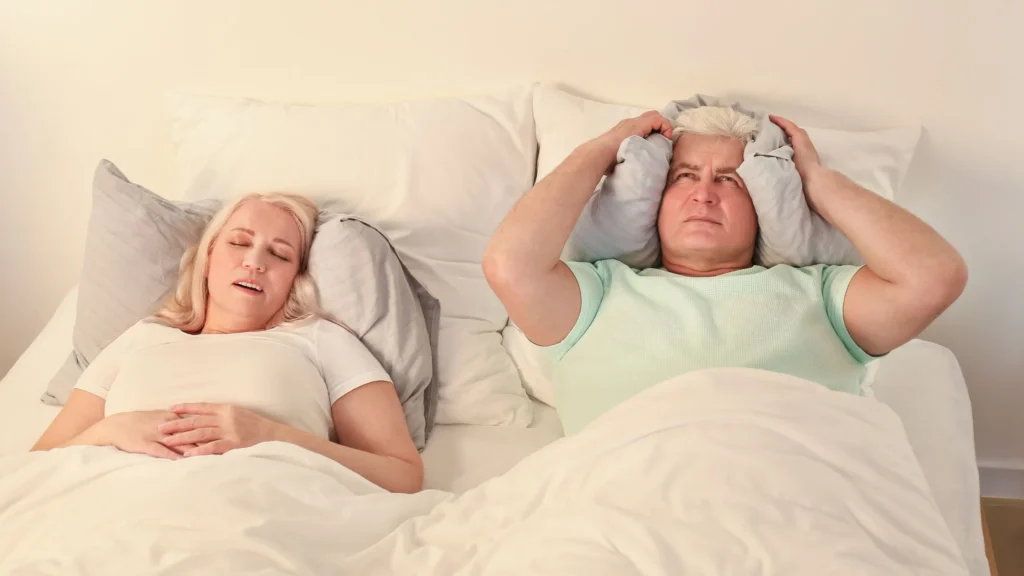
If that feels familiar, you’re not alone. Snoring sits at the intersection of sleep quality, modern stress, and a booming market of sleep gadgets. People are tracking sleep like it’s a sport, trying trending hacks, and still waking up tired. An anti snoring mouthpiece can be a practical tool—when it matches the reason you snore.
Overview: why snoring feels louder in 2026
Right now, sleep is having a cultural moment. Wearables score your night. Social feeds push “sleep-optimization” routines. Adult sleep coaching is also getting more attention, partly because online advice can feel endless and conflicting.
Snoring cuts through all that because it’s disruptive in a very real way. It can fragment sleep for the snorer and the partner. It also shows up during travel fatigue, after late meals, during allergy seasons, and in burnout-heavy weeks when routines fall apart.
Important note: snoring can be benign, but it can also overlap with sleep-disordered breathing. If you suspect something more than simple snoring, getting checked matters.
Timing: when to address snoring (and when not to wait)
Start with “tonight,” but think in two timelines
Timeline A: quick relief. If snoring is wrecking sleep this week, start with low-risk basics: side-sleeping, nasal comfort, and a consistent wind-down. Then consider a mouthpiece if your pattern fits.
Timeline B: the bigger picture. If snoring comes with choking, gasping, witnessed breathing pauses, or significant daytime sleepiness, don’t treat it like a gadget problem. That’s a “talk to a clinician” timeline.
Clues that timing matters
- Travel weeks: dry hotel air, alcohol, and odd sleep positions can spike snoring.
- Burnout cycles: irregular bedtimes and stress can make sleep lighter, so snoring feels more disruptive.
- Trend pressure: if “sleepmaxxing” is making you anxious, simplify. Tracking should support sleep, not become the hobby that keeps you awake.
For a general read on how sleep tracking trends are being discussed, see this: Local sleep specialist shares tips to wake up feeling rested.
Supplies: what you actually need (skip the sleep gadget pile)
You don’t need a nightstand full of devices. Build a small kit and stick to it for a week before changing everything again.
- Option 1: anti-snoring mouthpiece. Often used to support airway openness by positioning the jaw or tongue.
- Optional add-on: chin strap. Helps some people reduce open-mouth breathing at night.
- Nasal comfort support: saline rinse/spray or nasal strips if congestion is a factor.
- Simple tracking: a notes app (snoring intensity 1–5, how you feel in the morning) beats obsessing over graphs.
If you want a combined approach, here’s a related option: anti snoring mouthpiece.
Step-by-step (ICI): Identify → Choose → Implement
1) Identify what’s driving your snoring
Snoring usually happens when airflow becomes turbulent as tissues relax during sleep. Common contributors include nasal congestion, sleeping on your back, alcohol near bedtime, and jaw/tongue position.
Try a two-night check-in:
- Night 1: side-sleeping focus (pillow support). Note snoring and morning energy.
- Night 2: address nasal comfort (if relevant). Note changes.
If snoring persists and seems position-related, a mouthpiece may be worth considering.
2) Choose the right category of help
Mouthpiece fit matters more than hype. In general, anti-snoring mouthpieces fall into two broad types:
- Mandibular advancement style: aims to bring the lower jaw slightly forward.
- Tongue-retaining style: aims to keep the tongue from falling back.
If you have jaw pain, dental concerns, or a history of TMJ issues, talk with a dentist or clinician before committing to a device.
3) Implement like a calm experiment (not a life overhaul)
Use one change at a time for several nights. That approach helps you learn what’s working.
- Night one: wear the mouthpiece for a shorter period if needed to acclimate.
- Night two to four: aim for a full night if comfort allows.
- Week one review: compare partner feedback, your morning energy, and any jaw soreness.
If you’re also tempted by social trends like mouth taping, be cautious. Safety depends on the person, and it’s not a universal fix—especially for kids or anyone with possible breathing issues.
Common mistakes that keep snoring (and tiredness) going
Chasing “perfect” sleep data
If your tracker makes you anxious, scale back. A calmer bedtime often beats another metric.
Using a mouthpiece without addressing basics
Even a good device can struggle against heavy congestion, back-sleeping, or late-night alcohol. Stack simple wins first.
Ignoring red flags
Snoring plus breathing pauses, gasping, morning headaches, or excessive daytime sleepiness deserves medical attention. Sleep apnea is a real health topic, and evaluation can be important.
Expecting zero adjustment period
Some people need several nights to adapt to a mouthpiece. Mild drooling or awareness can happen early on. Persistent pain is not something to push through.
FAQ: quick answers people are asking
Will an anti-snoring mouthpiece stop snoring completely?
Sometimes, but not always. Many people see reduction rather than total silence, and results depend on the cause.
Can I use a mouthpiece if I grind my teeth?
It depends on the device and your bite. If you suspect bruxism, a dental professional can help you avoid making jaw discomfort worse.
What if my partner is the one who snores?
Make it a team problem, not a character flaw. Share observations, keep it light, and test one change at a time so nobody feels blamed.
Call to action: keep it simple and sleep better
Snoring is common, and it’s fixable more often than people think. Start with basics, then match the tool to the pattern. If an anti-snoring mouthpiece fits your situation, it can be a straightforward next step.
How do anti-snoring mouthpieces work?
Medical disclaimer: This article is for general education and is not medical advice. It does not diagnose or treat any condition. If you have symptoms of sleep apnea (breathing pauses, choking/gasping, significant daytime sleepiness) or persistent snoring, talk with a qualified clinician or dentist for personalized guidance.