
Before you try another sleep hack, run this checklist.
- Confirm the “why.” Is it snoring, poor sleep quality, or both?
- Pick one tool at a time. Stacking gadgets makes it hard to tell what helped.
- Prioritize comfort. A device that sits in a drawer doesn’t improve sleep.
- Watch for red flags. Loud snoring with choking, gasping, or extreme daytime sleepiness needs medical input.
Right now, sleep culture is loud. People swap wearable scores, test “biohacks,” and compare travel-fatigue fixes like they compare coffee orders. Relationship humor is part of it too: one person wants silence, the other swears they “barely snore.” Add workplace burnout, and it’s no surprise that anti-snoring devices are trending again.
This guide keeps it simple. You’ll use “if…then…” branches to decide whether an anti snoring mouthpiece fits your situation, how to set expectations, and how to handle the basics: positioning, comfort, and cleanup.
Decision guide: if this is you, then start here
If your snoring is mainly a partner complaint…then check your pattern first
If you only snore after alcohol, late meals, or on your back, start with the easy levers. Then retest. Many couples find the “snore story” changes when travel fatigue and stress ease up.
- Try side-sleeping support (pillow positioning, not complicated gear).
- Keep the bedroom air comfortable and not overly dry.
- Give yourself a wind-down routine that doesn’t involve doomscrolling.
If the snoring persists most nights, a mouthpiece becomes a more reasonable next step.
If you’re chasing a better sleep score…then focus on breathing and comfort
Sleep trackers can be motivating, but they can also create “performance pressure.” If your data says you’re restless, ask a simpler question: do you wake up feeling restored?
If snoring is fragmenting sleep (yours or your partner’s), a mouthpiece may help by improving airflow mechanics. Comfort matters more than perfection. A slightly better night, repeated, beats one heroic night followed by quitting.
If you’re tempted by viral trends…then slow down and choose the safer path
Social feeds love bold claims. Mouth taping is one example that keeps cycling through TikTok-style wellness conversations. Parents especially should be cautious with any trend that changes breathing during sleep.
For a general safety-oriented overview, see Is Mouth Taping Safe for Sleep? What Parents Should Know About This TikTok Trend. If you have allergies, chronic congestion, or any breathing concerns, get clinician guidance before trying anything that restricts airflow.
If you suspect mouth breathing or jaw position plays a role…then a mouthpiece is worth considering
Many popular devices fall into two broad buckets:
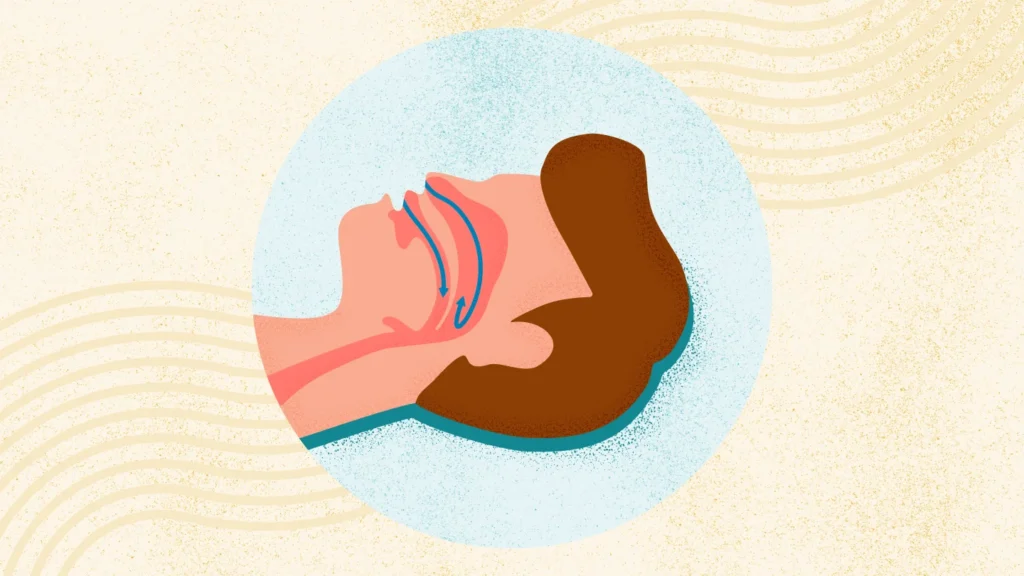
- Mandibular advancement devices (MADs): These gently bring the lower jaw forward to reduce airway collapse risk in some people.
- Tongue-stabilizing devices (TSDs): These aim to keep the tongue from falling back.
Recent coverage and review-style discussions keep circling around MAD-style mouthpieces and how “legit” they are. The practical takeaway: fit and tolerance drive outcomes. A device can be well-designed and still fail if it hurts, slips, or dries your mouth.
If your nose feels like the bottleneck…then consider nasal support (with realistic expectations)
Nasal strips and dilators get attention because they’re simple and non-dental. Some research summaries discuss nasal dilators for sleep-disordered breathing, but results vary and they won’t solve every type of snoring.
If congestion is frequent, treat the cause (allergens, dryness, irritants) and talk with a clinician if it’s persistent. If the noise is mainly from throat vibration, a jaw-position solution may still be the better match.
How to pick an anti snoring mouthpiece without overthinking it
Start with the “ICI” basics: fit, comfort, and consistency
- Immediate fit: It should seat securely without you clenching to keep it in.
- Comfort: Mild awareness is normal at first. Sharp pain is not.
- Consistency: Plan for a short adjustment window and track results across several nights.
If you choose a mandibular advancement style…then go slow on positioning
With adjustable designs, more advancement is not always better. Start at a conservative setting. Then move in small steps only if snoring persists and your jaw feels fine the next day.
If you wake with jaw soreness, tooth tenderness, or headaches, pause. Refit if possible. If symptoms continue, stop and get dental or medical advice.
Comfort upgrades that matter more than fancy features
- Dry mouth plan: Hydrate earlier in the day and keep the room from getting too dry.
- Side-sleep support: A small pillow adjustment can reduce back-sleeping.
- Wind-down routine: Burnout and late-night work raise arousal. That can worsen sleep quality even if snoring improves.
Cleanup: quick, consistent, and not aggressive
Daily care keeps the device usable and more comfortable. Rinse after each use, brush gently with mild soap, and air-dry fully. Skip boiling water or harsh cleaners unless the manufacturer specifically recommends them.
When to skip self-experiments and get checked
- Snoring plus choking, gasping, or witnessed breathing pauses
- High daytime sleepiness, morning headaches, or concentration problems
- High blood pressure concerns or significant weight changes
- Jaw disorders, loose dental work, or ongoing tooth pain
Those signals can point to sleep-disordered breathing that deserves professional evaluation.
FAQ
Do anti-snoring mouthpieces work for side sleepers?
They can. Side sleeping often helps on its own, and a mouthpiece may add benefit if jaw position still contributes to snoring.
Can I use a mouthpiece if I have braces or dental work?
It depends. Dental appliances and certain restorations can change fit and risk. Ask your dentist or orthodontist before using any device that shifts the jaw.
How do I know if it’s helping sleep quality, not just reducing noise?
Look at daytime outcomes: fewer wake-ups, better morning energy, and less irritability. Partner feedback helps too, but your recovery matters most.
Next step: choose a mouthpiece you can actually wear
If your pattern suggests jaw position or mouth breathing is part of the problem, start with a product that prioritizes fit and comfort over gimmicks. Compare anti snoring mouthpiece and pick one you can commit to for a real trial period.
How do anti-snoring mouthpieces work?
Medical disclaimer: This article is for general information only and isn’t medical advice. Snoring can be a sign of a sleep-related breathing disorder. If you have symptoms like choking/gasping, extreme daytime sleepiness, or concerns about breathing during sleep, seek evaluation from a qualified clinician.