
Before you try another snoring fix, run this quick checklist:
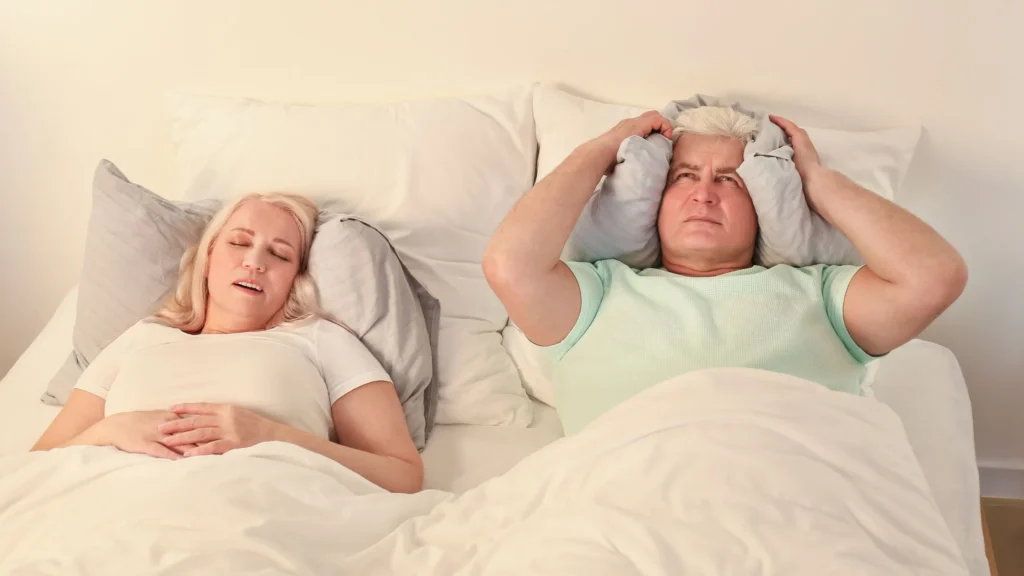
- Is it snoring… or poor sleep overall? Track how you feel in the morning, not just the noise.
- Is it new? Travel fatigue, alcohol, allergies, and burnout weeks can temporarily crank up snoring.
- Is your partner losing sleep? Relationship jokes are common, but chronic sleep disruption is not funny for long.
- Are you “sleepmaxxing”? Too many gadgets and rules can backfire and make you more alert at bedtime.
- Any red flags? Gasping, choking, or extreme daytime sleepiness deserves medical attention.
Snoring is having a moment online. Sleep coaching is trending, wearables are everywhere, and TikTok dares people to try hacks like mouth taping. Meanwhile, many people are simply exhausted from work stress and irregular schedules. If you want a grounded next step, an anti snoring mouthpiece is one of the more practical options to consider—when it matches the cause of your snoring.
Why does snoring feel louder lately (even if nothing changed)?
Modern life stacks the deck against deep sleep. Late-night scrolling, early meetings, and “one more episode” all chip away at recovery. Add travel fatigue or a cold, and snoring can spike.
There’s also a perception problem. Sleep trackers and audio apps can make you hyper-aware of every sound. That can be helpful, but it can also turn bedtime into a performance review.
Is snoring actually hurting sleep quality, or just annoying?
Both can be true. Snoring can fragment sleep for the snorer, the bed partner, or both. Even when you don’t fully wake up, lighter sleep can leave you feeling foggy.
Here’s a simple way to sanity-check it: if you get enough hours but still wake up unrefreshed, snoring may be part of a bigger sleep-quality issue. That’s where basic sleep hygiene and targeted tools can matter more than another app.
What are people getting wrong about “sleep hacks” right now?
More data isn’t always more rest
Sleep tracking is popular, and it can be motivating. Still, obsessing over scores can raise stress at night. If you’re chasing perfect metrics, you may end up sleeping worse.
Viral trends can skip the safety part
Mouth taping gets attention because it sounds simple. For some people, it can feel calming. For others, it can be uncomfortable or risky—especially if nasal breathing is limited. If you’re unsure, don’t crowdsource your airway.
Coaching can help, but it’s not magic
Adult sleep coaching is growing because people feel overwhelmed by conflicting advice. A good coach can simplify routines and reduce bedtime anxiety. Just remember: coaching doesn’t replace medical evaluation when symptoms suggest a breathing problem.
If you want a broader look at what’s driving the coaching trend, see this related coverage via Local sleep specialist shares tips to wake up feeling rested.
When does an anti snoring mouthpiece make sense?
An anti-snoring mouthpiece is often used when snoring is linked to how your jaw, tongue, and soft tissues sit during sleep. In plain terms: if your airway narrows when your jaw relaxes, vibration and noise can increase.
A mouthpiece may be worth considering if:
- You snore most nights and it’s worse on your back.
- Your partner reports steady snoring (not just occasional “bad nights”).
- You want a non-electronic option that doesn’t require charging or apps.
- You’re trying to protect sleep during travel, shift changes, or stressful seasons.
It may be a poor fit if you have significant jaw pain, major dental issues, or symptoms that suggest sleep apnea. In those cases, get evaluated first.
How do you choose a mouthpiece without overcomplicating it?
Start with comfort and consistency
The best device is the one you can actually wear. If it’s bulky or painful, you’ll quit. Look for designs that aim for a stable fit and a reasonable adjustment period.
Think about mouth breathing
Some people snore more when they sleep with their mouth open. A chinstrap can support mouth closure for certain sleepers, especially during travel fatigue or congestion seasons. Pairing approaches can be useful for the right person.
If you’re exploring a combined option, consider this anti snoring mouthpiece.
What else should you do tonight to improve sleep health (besides buying stuff)?
- Pick one change. A calmer routine beats a dozen new rules.
- Reduce late alcohol. It can relax tissues and worsen snoring for many people.
- Side-sleep when possible. Back-sleeping often increases snoring volume.
- Clear nasal breathing. Manage dryness and congestion in a safe, comfortable way.
- Protect wind-down time. Burnout and doomscrolling keep the nervous system “on.”
When is snoring a sign you should get checked?
Don’t self-treat forever. If you have loud snoring plus choking/gasping, witnessed breathing pauses, morning headaches, or heavy daytime sleepiness, talk to a clinician or a sleep specialist. Dentistry and airway-focused care are also getting more attention, but you still want an individualized evaluation.
FAQ: quick answers people ask before trying a mouthpiece
Do anti-snoring mouthpieces work for everyone?
No. They tend to help most when snoring is related to jaw position or mouth breathing, but they may not help if another issue is driving the noise.
How fast can an anti snoring mouthpiece improve sleep quality?
Some people notice changes within a few nights, while others need a couple of weeks to adjust and fine-tune fit and comfort.
Is mouth taping a safe alternative to stop snoring?
It’s a social-media trend, but it isn’t a fit for everyone. If you have nasal congestion, breathing concerns, or anxiety about restricted airflow, talk with a clinician first.
What’s the difference between a mouthpiece and a chinstrap?
A mouthpiece aims to change jaw or tongue position to reduce vibration. A chinstrap mainly supports keeping the mouth closed, which may help some mouth breathers.
When should I talk to a clinician about snoring?
If you have loud nightly snoring, gasping/choking, witnessed breathing pauses, significant daytime sleepiness, or high blood pressure, get evaluated for sleep-disordered breathing.
Next step: keep it simple
If you’re tired of chasing trends, focus on one goal: fewer disruptions and more restorative sleep. A well-chosen mouthpiece can be a practical part of that plan, especially when snoring is positional or related to jaw relaxation.
How do anti-snoring mouthpieces work?
Medical disclaimer: This article is for general education only and is not medical advice. Snoring can have multiple causes, including sleep-disordered breathing. If you have concerning symptoms or ongoing sleep problems, consult a qualified healthcare professional.