
Is snoring wrecking your sleep quality? Are you stuck between “sleep gadget” hype and real-life budget limits? Do you want a fix you can try at home without burning another month?
That’s the point of this guide. You’ll get an “if…then…” path to decide whether an anti snoring mouthpiece is worth trying, when it’s not, and what to watch for.
Why snoring is showing up everywhere right now
Sleep is having a moment. People are tracking sleep like a sport, hiring adult sleep coaches, and buying travel-friendly gear to fight jet lag and hotel-room fatigue.
At the same time, workplace burnout and packed calendars make “good enough sleep” feel like a luxury. Snoring turns into relationship comedy until it turns into real frustration.
One useful takeaway from the recent wave of sleep coverage: you don’t need ten tools. You need the right tool for your snoring pattern.
Your no-waste decision guide (If…then…)
If your snoring is positional, then start with the cheapest move
If you mainly snore on your back, then try side-sleeping strategies first. This can be as simple as a pillow setup that keeps you from rolling over.
Pair it with a quick “sleep hygiene” check: consistent bedtime, cooler room, and less alcohol close to sleep. These aren’t flashy, but they’re low-cost and often high-impact.
If your snoring is worse after drinks or late meals, then change the timing
If snoring ramps up after alcohol or heavy late dinners, then shift those earlier when possible. Many people notice louder snoring when the throat muscles relax more than usual.
This is especially common on work trips or weekends. Travel fatigue plus a couple of drinks can be a perfect storm.
If you wake up with dry mouth, then consider mouth-breathing and nasal airflow
If you wake up parched, then you may be mouth-breathing. That can amplify snoring and make sleep feel less restorative.
Try basic nasal support (like managing allergies and keeping the room humid enough). If nasal blockage is constant, don’t ignore it.
If your snoring sounds “throaty” and you clench or grind, then a mouthpiece may be a practical test
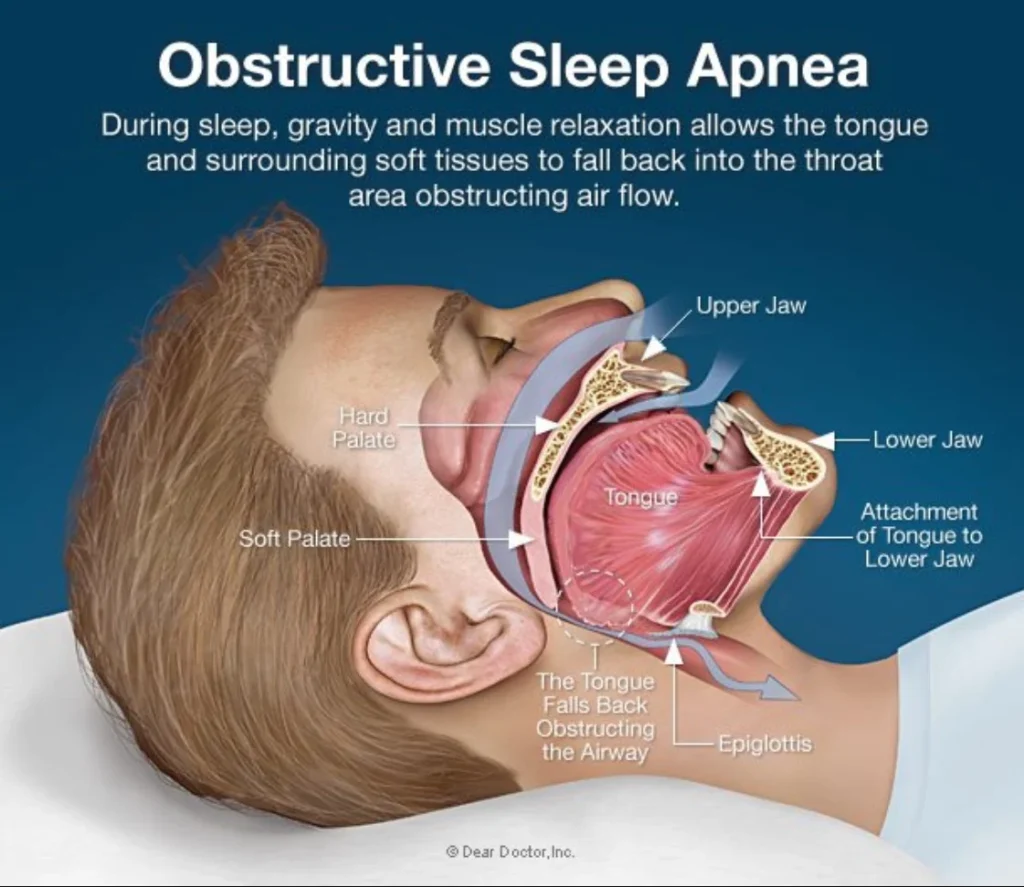
If your snoring seems tied to jaw position—often louder when you’re deeply asleep—then a mouthpiece can be a reasonable at-home trial. Many anti-snoring mouthpieces work by gently moving the lower jaw forward to help keep the airway more open.
That’s the budget-friendly appeal: you can test a mechanical solution without building a whole “sleepmaxxing” stack.
For a quick overview of general approaches, see An inspirational solution to obstructive sleep apnea from CommonSpirit Health.
If you want to try a mouthpiece, then use this short checklist first
- Comfort: If it hurts your jaw, you won’t wear it. Comfort beats “perfect specs.”
- Fit method: Some are adjustable; some are moldable. Follow directions carefully.
- Morning feel: Mild tightness can happen early on. Sharp pain is a stop sign.
- Consistency: Test for 1–2 weeks, not one night.
- Partner feedback: The simplest “data” is whether the room is quieter.
If you’re comparing options, you can start here: anti snoring mouthpiece.
If you’re chasing tracker scores, then don’t let “sleepmaxxing” backfire
If your wearable is turning bedtime into a performance review, then simplify. Recent conversations in sleep media have highlighted a common trap: tracking can raise anxiety, which can make sleep worse.
Use tracking as a trend log. Keep it secondary to how you feel during the day and whether snoring improves.
If you have red flags, then skip DIY and get checked
If you have choking/gasping at night, witnessed breathing pauses, morning headaches, or serious daytime sleepiness, then talk to a clinician. Snoring can be benign, but it can also be linked with sleep apnea.
Also get help if you have jaw joint pain, major dental issues, or you’re unsure what’s driving the snoring.
Quick reality check: what a mouthpiece can (and can’t) do
A mouthpiece can be a practical tool when snoring is related to airway positioning during sleep. It’s not a cure-all for every cause of snoring.
Think of it like this: if the problem is “collapse or narrowing during sleep,” a mechanical assist may help. If the problem is “blocked nose” or “untreated apnea,” you need a different plan.
FAQs
Can an anti snoring mouthpiece help with snoring from congestion?
It may help if jaw position is part of the issue, but congestion often needs a different approach like nasal support and sleep-position changes.
How long does it take to know if a mouthpiece is working?
Many people notice changes within a few nights, but give it about 1–2 weeks to judge comfort, fit, and consistency.
Is loud snoring always sleep apnea?
No. Snoring can happen without apnea, but choking/gasping, daytime sleepiness, or witnessed breathing pauses are reasons to get evaluated.
Do sleep trackers prove whether snoring is “fixed”?
They can show trends, but they’re not diagnostic. Use them as a rough log, not a final answer.
What if my partner snores but won’t try anything?
Start with low-friction steps: side-sleeping, reducing alcohol near bedtime, and a simple trial of a mouthpiece if appropriate. Keep it about sleep quality, not blame.
CTA: pick one step for tonight (not ten)
Choose the branch that matches your situation. Run it for 1–2 weeks. Then reassess with real feedback, not wishful thinking.
How do anti-snoring mouthpieces work?
Medical disclaimer: This article is for general education only and isn’t medical advice. Snoring can have multiple causes. If you have symptoms of sleep apnea or persistent sleep problems, talk with a qualified healthcare professional.