
On a red-eye flight, someone in 14B starts snoring before the seatbelt sign even turns off. By the time the plane lands, their seatmate has tried earbuds, a meditation app, and a jacket-as-a-pillow trick. Later, the group chat calls it “travel fatigue comedy.” Nobody laughs the next morning at work.
That’s why snoring is back in the spotlight. Between sleep gadgets, tracking apps, and social-media “sleepmaxxing,” people want a quick fix. The goal is simpler: better sleep quality for you, and fewer wake-ups for the person next to you.
If you want a grounded starting point, look up Local sleep specialist shares tips to wake up feeling rested. Then use the decision guide below to see where an anti snoring mouthpiece fits.
A no-drama decision guide (If…then…)
If your partner says the snoring is “every night,” then start with safety first
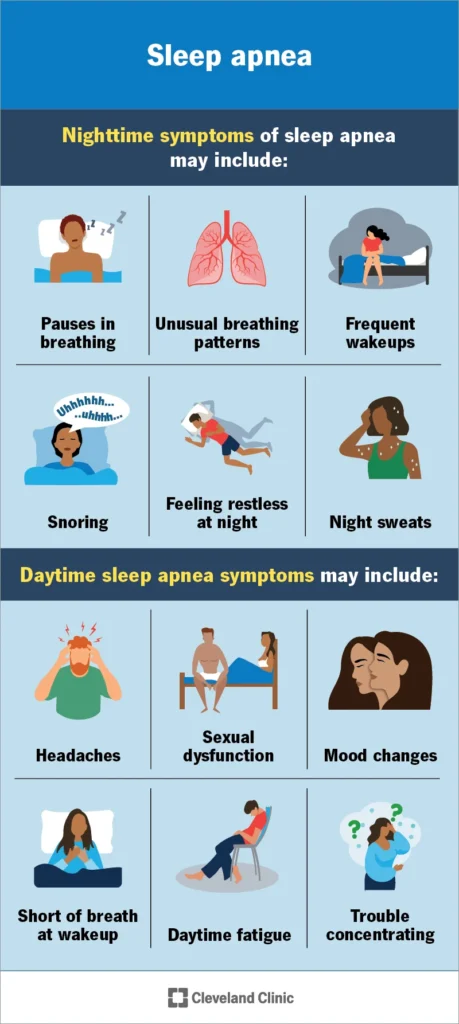
Snoring can be harmless. It can also show up with sleep-disordered breathing. If there are red flags like choking/gasping, long pauses in breathing, or severe daytime sleepiness, don’t try to out-hack it with gear. Get medical guidance and consider a sleep evaluation.
If you’re chasing perfect sleep data, then stop “sleepmaxxing” your bedtime
Sleep tracking can be useful, but it can also turn into pressure. The more you micromanage, the easier it is to stay wired. Keep the basics steady: consistent sleep window, a wind-down routine, and a bedroom that’s dark and cool.
If you’re tempted by viral mouth taping, then pause
Trends move fast, and not all of them are low-risk. Anything that changes breathing during sleep deserves caution, especially for kids and anyone with nasal congestion. If you’re not sure, ask a clinician instead of testing it at 1 a.m.
If snoring is worse on your back, then try positioning before you buy anything
Back-sleeping can make the airway more collapsible for some people. Side-sleeping, a supportive pillow, or a simple positional cue can reduce noise. This is the cheapest “device” you’ll ever try.
If the noise is coming from relaxed jaw/tongue posture, then consider an anti snoring mouthpiece
Many mouthpieces aim to improve airflow by changing oral posture. Two common approaches are:
- Mandibular advancement: gently moves the lower jaw forward to help keep the airway more open.
- Tongue positioning: encourages the tongue to stay forward rather than falling back.
When it works, the win is simple: fewer vibrations, fewer wake-ups, and better continuity of sleep.
If you choose a mouthpiece, then focus on ICI: fit, comfort, and cleanup
ICI basics keeps you consistent, which is what actually improves sleep.
- Fit: A secure fit matters more than “max forward” positioning. Too aggressive can trigger jaw soreness.
- Comfort: Expect an adjustment period. If you dread putting it in, you won’t use it.
- Cleanup: Rinse daily, brush gently, and dry fully. A funky taste is a compliance killer.
If you wake up with jaw soreness, then adjust down—not tougher it out
Discomfort is a common reason people quit. Aim for the minimum change that reduces snoring. If pain persists, stop and talk with a dentist or sleep professional.
If you want a combined approach, then look at mouthpiece + chinstrap pairing
Some people do better with extra support for mouth closure, especially if they tend to drop their jaw during sleep. If that sounds like you, consider an anti snoring mouthpiece as a single setup.
What people are talking about right now (and what to do with it)
Sleep coaching and “too much advice” fatigue
There’s a growing market for adult sleep coaching because the internet is loud. If you feel overwhelmed, choose one change for two weeks. Add the next change only after the first one sticks.
Relationship humor is real—so is sleep debt
Couples joke about “snore divorces,” but fragmented sleep adds up. Treat snoring like a shared problem to solve, not a character flaw to roast.
Workplace burnout makes snoring feel louder
When you’re stressed, you notice every disruption. A mouthpiece can help with the sound, but recovery also needs a consistent bedtime and less late-night stimulation.
FAQ (quick answers)
Do anti-snoring mouthpieces work for everyone?
No. They often help with simple snoring, but they may not be enough for snoring linked to sleep apnea or major nasal blockage.
Is an anti snoring mouthpiece the same as a night guard?
No. A night guard mainly protects teeth from grinding. Many anti-snoring mouthpieces aim to improve airflow by changing jaw or tongue position.
How long does it take to get used to a mouthpiece?
Many people adapt over several nights to a couple of weeks. Start gently and prioritize comfort.
Can I use a mouthpiece if I have TMJ pain?
Be cautious. If you have TMJ symptoms, dental work, or jaw clicking, ask a dentist or sleep clinician first.
What’s a simple way to clean an anti-snoring mouthpiece?
Rinse after use, brush gently with mild soap, and let it air-dry. Avoid hot water unless the directions say it’s safe.
CTA: choose your next step
If snoring is dragging down sleep quality, don’t stack ten hacks. Pick one path and run it consistently.
How do anti-snoring mouthpieces work?
Medical disclaimer: This article is for general education only and isn’t medical advice. Snoring can be a sign of a sleep-related breathing disorder. If you have choking/gasping, breathing pauses, chest pain, severe daytime sleepiness, or concerns about a child’s sleep, seek care from a qualified clinician.