
Are you snoring louder than your sleep tracker says you are? Is your partner joking about “separate bedrooms,” but not really joking? Are you tempted by every new sleep gadget or viral hack?
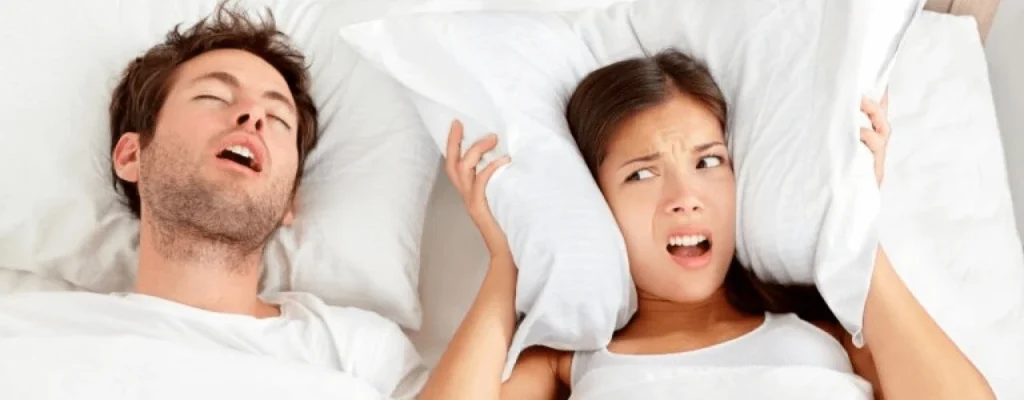
Snoring is having a moment. Wearables, “sleep coaching,” and trend-driven fixes are everywhere. The problem is that not every fix is low-risk. If you want a practical path that protects sleep quality and keeps you on the safe side, an anti snoring mouthpiece can be a reasonable option for many adults—when you screen first and use it correctly.
Overview: what people are talking about (and what matters)
Recent sleep coverage has leaned into two themes: better mornings and better breathing. You’ll also see a backlash against “sleepmaxxing,” where tracking and tweaking turns bedtime into a second job. Add travel fatigue, burnout, and relationship humor about snoring, and you get the current vibe: people want results, not another complicated routine.
Here’s the clean takeaway. Snoring is often mechanical. Airflow meets relaxed tissue, and vibration happens. A mouthpiece may reduce that vibration by supporting jaw or tongue position. That can improve sleep continuity for you and anyone within earshot.
If you want a broader view of how tracking culture is shaping sleep decisions, see this Local sleep specialist shares tips to wake up feeling rested.
Timing: when a mouthpiece is worth considering
Use timing like a filter. It keeps you from buying a fix that doesn’t match your problem.
Good timing signals
- Snoring is frequent and bothersome, especially when you sleep on your back.
- You wake up with a dry mouth or sore throat (common when snoring is heavy).
- Your partner reports loud snoring, but you don’t have clear red flags for sleep apnea.
- You’re traveling, exhausted, and your routine is off—snoring often spikes with fatigue and alcohol.
Pause and screen first (important)
- Choking, gasping, or witnessed breathing pauses during sleep.
- Strong daytime sleepiness, morning headaches, or concentration problems.
- High blood pressure, heart issues, or significant weight changes.
- Jaw pain, TMJ disorders, loose teeth, or major dental work in progress.
If any of the pause items fit, a clinician can help you rule out obstructive sleep apnea or other conditions. A mouthpiece can still be part of a plan, but you want the right plan.
Supplies: what to gather (and what to document)
Keep the setup simple. Focus on safety, hygiene, and consistency.
What you need
- Your mouthpiece (follow the manufacturer’s fitting instructions).
- A case with ventilation for storage.
- Mild soap and a soft toothbrush (or the cleaning method recommended for your device).
- Optional: a chinstrap if mouth breathing is part of your snoring pattern.
What to document (reduces guesswork later)
- Baseline: how many nights per week you snore (and how disruptive it is).
- Sleep quality markers: morning energy, headaches, dry mouth, and awakenings.
- Risk notes: alcohol, congestion, new meds, travel days, and stress spikes.
If you’re shopping for a combined setup, this anti snoring mouthpiece is an example of the “one kit, one routine” approach that many people prefer.
Step-by-step (ICI): Install → Check → Improve
This is the no-drama workflow. It’s designed to reduce risks and help you decide quickly if the approach is helping.
1) Install: fit and start gently
- Fit the device exactly as directed. Don’t freestyle the process.
- Wear it for a short period before sleep for the first few nights if you feel gaggy or tense.
- Choose a low-stakes week to start. Travel weeks and late-night work sprints can distort results.
2) Check: confirm comfort and breathing
- In the morning, check for jaw soreness, tooth pain, or new bite changes.
- Ask a partner for a simple report: “better, same, or worse.”
- Use tracking carefully. Treat it as a trend tool, not a verdict.
3) Improve: adjust your sleep context
- Side-sleeping can reduce snoring for many people. Make it easier with pillow positioning.
- Address nasal stuffiness with safe, basic measures (like humidification). If you need medication advice, ask a pharmacist or clinician.
- Limit alcohol close to bedtime. It relaxes airway tissues and can amplify snoring.
One more trend note: viral “mouth taping” content gets attention because it looks simple. Safety is not universal, especially for kids and anyone with nasal blockage or breathing concerns. When in doubt, skip the tape and talk to a clinician.
Mistakes that waste money (or create new problems)
- Ignoring red flags. A mouthpiece is not a substitute for screening when apnea is possible.
- Over-tightening or forcing a fit. Discomfort is a signal, not a challenge.
- Dirty device habits. Poor cleaning can irritate gums and increase odor and buildup.
- Chasing perfection every night. “Sleep optimization” can turn into anxiety. Aim for better, not flawless.
- Not tracking the basics. If you don’t note snoring frequency and morning symptoms, you can’t tell what’s working.
FAQ: quick answers before you commit
Will a mouthpiece help if I only snore sometimes?
It can. Many people use one during higher-risk periods like travel, allergy seasons, or high-stress weeks. Consistency still matters when you’re evaluating results.
What if I wake up with jaw soreness?
Mild soreness can happen early on. Significant pain, headaches, or bite changes are reasons to stop and consult a dental professional.
Can I use a mouthpiece with a wearable sleep tracker?
Yes. Just avoid obsessing over nightly swings. Look at 2–3 week trends and how you feel in the morning.
CTA: pick a safer, simpler next step
Snoring fixes should lower stress, not add to it. If you want a straightforward option that fits into a clean routine, start with a mouthpiece plan and basic screening.
How do anti-snoring mouthpieces work?
Medical disclaimer: This article is for general education only and is not medical advice. Snoring can be a sign of obstructive sleep apnea or other health conditions. If you have choking/gasping, breathing pauses, significant daytime sleepiness, chest pain, or persistent symptoms, seek evaluation from a qualified healthcare professional.