
Myth: Snoring is just annoying.
Reality: It can wreck sleep quality, strain relationships, and sometimes signal a breathing problem that deserves a real screen.
Right now, sleep culture is loud. People are buying new trackers, testing “biohacks,” and trying viral tricks. Some of those ideas are harmless. Others can backfire. If you want a practical path, start with safety, then pick a solution you can stick with.
What people are trying right now (and why it’s messy)
Sleep gadgets keep trending because they promise quick answers. You’ll see smart rings, sleep-score apps, sunrise alarms, and travel-friendly everything. Add work burnout and constant notifications, and it’s no surprise people chase a “one weird fix.”
One trend getting pushback: nighttime mouth taping. It’s pitched as a simple way to “force” nose breathing. Scientists and clinicians have raised concerns in mainstream coverage because taping can be risky for people who can’t breathe well through their nose or who may have sleep apnea.
Meanwhile, anti-snoring mouthpieces keep showing up in best-of lists for a reason: they’re a more established approach than many viral hacks. The key is using the right type, with the right expectations, and documenting what happens.
What matters medically (no panic, just screening)
Snoring happens when airflow vibrates soft tissues in the airway. It often gets worse with back sleeping, alcohol near bedtime, nasal congestion, and weight changes. Travel fatigue can amplify it too. Dry hotel air plus a late dinner is a classic recipe.
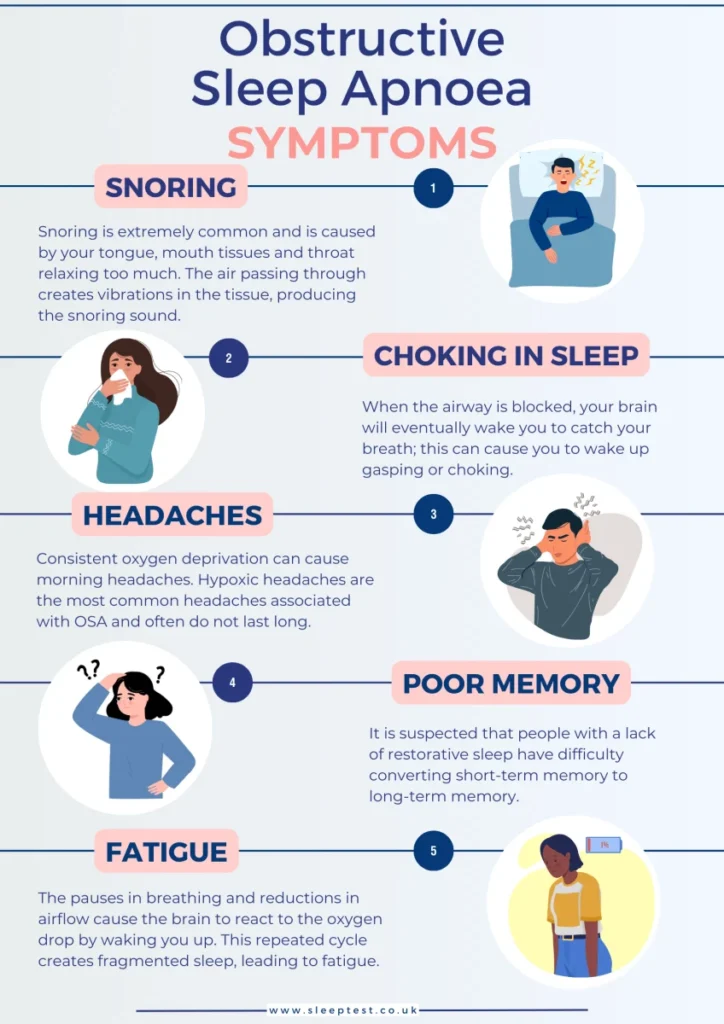
Also, snoring isn’t always “just snoring.” Sleep apnea is a condition where breathing repeatedly slows or stops during sleep. Many health systems emphasize the basics: loud snoring, choking or gasping, and daytime sleepiness are common warning signs. Heart health discussions also come up because untreated sleep apnea can be associated with cardiovascular strain over time.
If you want a deeper read on the broader health context, see this coverage here: Scientists warn against viral nighttime mouth-taping trend.
How to try at home (a safer, documented plan)
Skip the chaos. Run a simple two-week experiment. Your goal is fewer snores, better sleep quality, and fewer morning symptoms.
Step 1: Do a quick “snore audit” for 3 nights
- Record patterns: back vs. side sleeping, alcohol, late meals, congestion, and stress level.
- Capture impact: morning headache, dry mouth, sore throat, and daytime sleepiness.
- Get a second data point: a partner’s notes can beat any app. Relationship humor is real, but the feedback helps.
Step 2: Clean up the basics (low effort, high yield)
- Side-sleeping support (pillow positioning).
- Address nasal stuffiness with simple, non-medicated comfort steps (like humidity and avoiding irritants).
- Reduce alcohol close to bedtime if snoring spikes after drinks.
Step 3: Add an anti snoring mouthpiece the right way
An anti snoring mouthpiece is designed to help keep the airway more open during sleep, commonly by positioning the lower jaw or stabilizing the mouth. For many people, that means less tissue vibration and less noise.
To reduce infection, safety, and “I hate this thing” risk, treat it like a device, not a toy:
- Choose a reputable option: avoid sketchy materials and unclear instructions.
- Start gradual: short wear periods before a full night can help comfort.
- Keep it clean: rinse after use, clean as directed, and let it dry fully.
- Document results: compare your baseline nights to mouthpiece nights.
If you want a combined option, here’s a relevant product page to review: anti snoring mouthpiece.
Step 4: Don’t stack risky hacks on top
If you’re testing a mouthpiece, avoid adding mouth taping or multiple new gadgets at the same time. Stacking makes it hard to know what worked. It also increases safety risk if you unknowingly reduce airflow.
When to get help (and what to say)
Seek medical advice if you notice any of these:
- Pauses in breathing, choking, or gasping during sleep
- Severe daytime sleepiness, drowsy driving risk, or concentration problems
- High blood pressure concerns or new heart-related symptoms
- Snoring plus morning headaches, mood changes, or frequent nighttime awakenings
Bring your notes. Say what you tried, how often, and what changed. That documentation reduces guesswork and helps a clinician decide whether you need a sleep study or a different approach.
FAQ: fast answers people want before buying
Is snoring always caused by the mouth?
No. Nose congestion, throat tissue vibration, sleep position, and overall airway anatomy all play roles. A mouthpiece targets only certain causes.
Can a mouthpiece improve sleep quality even if snoring is “mild”?
It can, especially if it reduces micro-awakenings for you or your partner. Track morning energy and awakenings, not just noise.
What if my jaw hurts?
Mild soreness can happen early on. Persistent pain, tooth issues, or bite changes should be assessed by a dental professional.
CTA: make your next step simple
If you’re done guessing and want a clearer plan, start with one change, track it, and keep safety first.
How do anti-snoring mouthpieces work?
Medical disclaimer: This article is for general education and is not medical advice. Snoring can be a symptom of sleep apnea or other conditions. If you have breathing pauses, severe sleepiness, chest symptoms, or concerns about safety, talk with a qualified clinician.