
Is your snoring getting worse, or are you just noticing it more?
Are sleep trackers and “sleepmaxxing” tips helping—or making bedtime feel like a test?
Should you try an anti snoring mouthpiece, or get screened first?
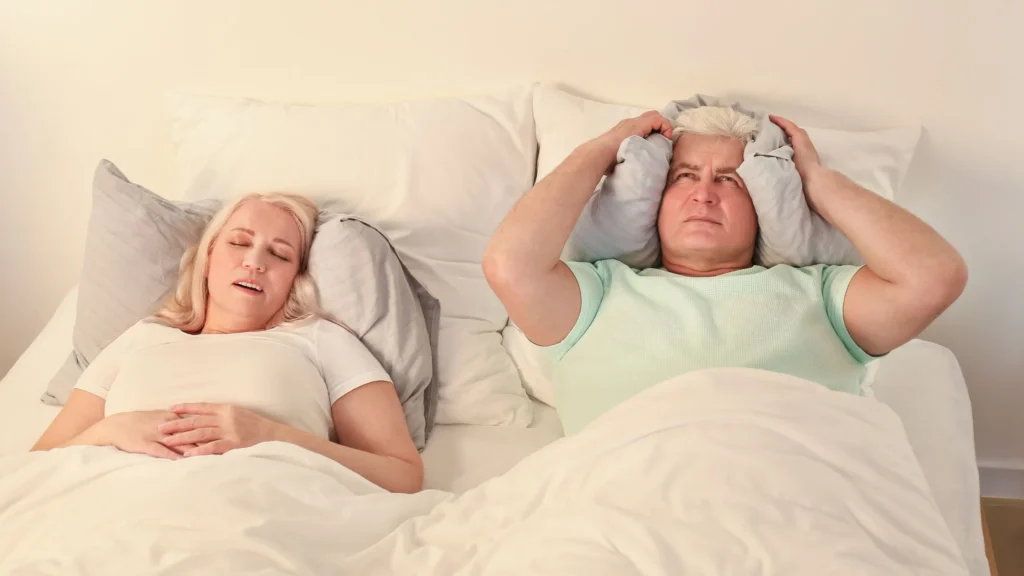
Yes, snoring can ramp up when stress, travel fatigue, alcohol timing, or congestion pile on. And yes, the current wave of sleep gadgets can be useful, but it can also turn rest into another performance metric. A mouthpiece can help some people quickly, but it’s not the first step for everyone. The safest approach is: zoom out, screen for red flags, then choose a tool you can actually stick with.
Big picture: why snoring is such a hot topic right now
Snoring isn’t new. What’s new is how often it shows up in everyday conversations—on flights, in hotel rooms, and in group chats after someone shares a sleep score screenshot. People are also more open about burnout, and poor sleep is part of that story.
Snoring sits at the intersection of comfort and health. It can be a simple vibration problem from relaxed tissues. It can also be a clue that breathing is being interrupted. That’s why “fix the noise” and “protect your health” need to happen together.
Snoring vs. sleep quality: the two-way problem
Snoring can fragment sleep for the snorer and the person next to them. That means lighter sleep, more awakenings, and groggy mornings. Then the next day brings more caffeine, more stress, and sometimes more evening alcohol—fuel for another loud night.
Emotional considerations: relationships, travel, and the “I’m fine” trap
Snoring is one of those issues that turns into relationship humor until it isn’t funny anymore. If someone is moving to the couch, wearing earbuds nightly, or dreading bedtime, that’s a real quality-of-life hit.
Travel makes it worse. Dry hotel air, different pillows, late meals, and jet lag can all change how you breathe at night. You might think you “only snore on trips,” but trips are also when people finally notice the pattern.
Don’t let sleep tracking become sleep pressure
Recent sleep trend coverage has highlighted a simple point: tracking can help, but obsessing can backfire. If you’re checking graphs at 2 a.m., the tool is now part of the problem. Use data to spot patterns, not to grade yourself.
Practical steps: what to try before (and alongside) a mouthpiece
Start with changes that reduce snoring triggers without adding much complexity. These also help you judge whether a mouthpiece is truly needed.
Quick, low-effort moves that often help
- Side sleeping: Back sleeping can worsen airway collapse for many people.
- Alcohol timing: Alcohol close to bedtime relaxes airway muscles and can increase snoring.
- Nasal breathing support: Congestion and mouth breathing can amplify snoring. Address allergies or dryness in a basic way.
- Consistent sleep window: Irregular schedules can deepen “crash sleep,” which may worsen snoring intensity.
If you’ve tried the basics and the snoring is still loud or frequent, that’s where an anti snoring mouthpiece becomes a practical next step for many adults.
Where an anti snoring mouthpiece fits (and who it’s for)
Most anti-snoring mouthpieces are mandibular advancement devices (MADs). They hold the lower jaw slightly forward to help keep the airway more open. For the right person, that can reduce tissue vibration and improve airflow.
Signs a mouthpiece may be worth considering
- Snoring is frequent and bothersome, especially in certain positions.
- You wake with a dry mouth or sore throat from mouth breathing.
- Your partner reports steady snoring without clear choking or gasping episodes.
- You want a non-surgical option that’s portable for travel.
How to shop without getting fooled by hype
Headlines and reviews often focus on whether a device is “legit” or “safe.” That’s the right question, but the answer depends on fit, materials, and your health profile. Look for clear instructions, realistic expectations, and transparent care guidance.
If you’re comparing options, start here: anti snoring mouthpiece.
Safety and screening: reduce risk and document your choice
This is the part people skip, and it’s where problems happen. Snoring can be harmless. It can also overlap with obstructive sleep apnea. A mouthpiece may reduce noise while a bigger issue continues in the background.
Screen for sleep apnea red flags first
If any of these are true, prioritize medical screening before self-treating:
- Choking, gasping, or witnessed breathing pauses
- Excessive daytime sleepiness or dozing while driving/working
- Morning headaches, high blood pressure, or new mood changes
- Snoring that is very loud and nightly
For a general explainer, see: Local sleep specialist shares tips to wake up feeling rested.
Who should be extra cautious with mouthpieces
- Jaw pain, TMJ disorder, or frequent jaw clicking/locking
- Loose teeth, significant dental work, or gum disease
- Braces, aligners, or recent oral surgery
- Severe nasal obstruction that forces mouth breathing
Simple “testing” plan: prove it helps, safely
Keep it boring and trackable for 14 nights:
- Baseline (3 nights): No device. Note snoring reports, wake-ups, morning dryness, and daytime energy.
- Adaptation (7 nights): Use the mouthpiece as directed. Expect some drooling or mild soreness early on.
- Check-in (4 nights): Compare outcomes. If symptoms worsen, stop and reassess.
Document what you chose and why (model, fit method, start date). If you later talk with a dentist or sleep clinician, this saves time and reduces confusion.
Hygiene and material safety: lower infection and irritation risk
Dirty devices can irritate gums and increase odor. Clean it the way the manufacturer recommends, dry it fully, and store it in a ventilated case. Replace it if it warps, cracks, or no longer fits snugly.
Medical disclaimer: This article is for general education and does not diagnose, treat, or replace medical advice. If you suspect sleep apnea or have jaw/dental problems, consult a qualified clinician for personalized guidance.
FAQ: quick answers people ask before buying
Can a mouthpiece improve sleep quality, not just reduce noise?
It can, especially if snoring is waking you or your partner. Better sleep continuity often improves next-day energy, but results vary.
What if I’m “sleepmaxxing” with gadgets already?
Use your tracker to spot trends (snoring nights vs. alcohol, congestion, or back sleeping). Avoid chasing perfect scores. Comfort and consistency matter more.
Is it normal to feel sore at first?
Mild jaw or tooth soreness can happen during the adjustment period. Sharp pain, bite changes, or persistent discomfort are reasons to stop and seek advice.
CTA: choose a safe-first next step
If snoring is disrupting sleep and you’ve ruled out obvious red flags, a mouthpiece may be a practical, travel-friendly tool. If red flags are present, screening comes first.