
Before you try an anti snoring mouthpiece, run this checklist:
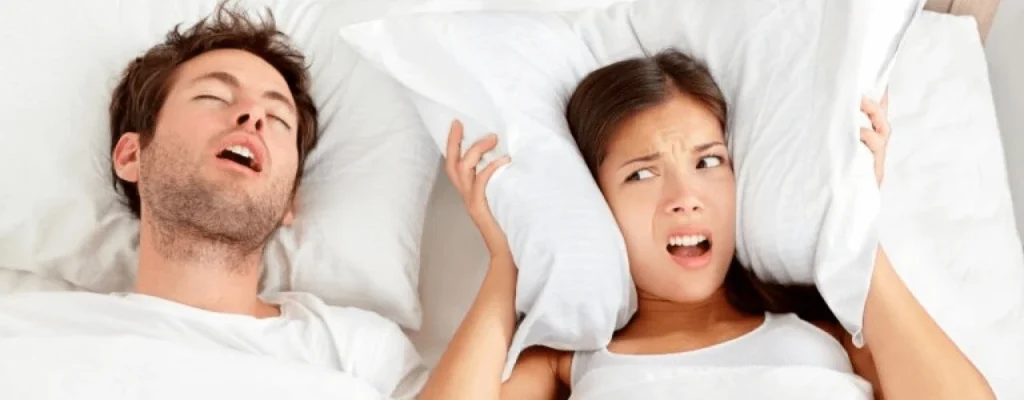
- Screen for red flags: loud snoring plus choking/gasping, breathing pauses, or heavy daytime sleepiness needs medical attention first.
- Check your mouth: loose teeth, active gum disease, or significant jaw pain can make mouthpieces a bad idea without dental input.
- Decide what you’re solving: noise for your partner, your own sleep quality, travel fatigue, or all of the above.
- Plan for hygiene: daily cleaning and dry storage reduce odor and infection risk.
- Document changes: note bedtime, wake time, alcohol, congestion, and how you feel in the morning for 10–14 days.
Snoring is having a cultural moment. Sleep trackers, “sleep optimization” trends, and gadget stacks keep showing up in conversations. Meanwhile, people are juggling travel fatigue, late-night scrolling, and workplace burnout. The result is predictable: more snoring complaints, more tired mornings, and more relationship jokes about “sleeping in the other room.”
This guide keeps it simple. Use “if…then…” branches to choose a safer next step, especially if you’re considering an anti snoring mouthpiece.
Decision guide: If this is you…then do this
If you snore sometimes (and feel fine) → start with the obvious wins
If snoring is occasional—after a late dinner, a drink, a cold, or a brutal workweek—then focus on the basics for two weeks. Keep a steady sleep window, reduce alcohol close to bedtime, and manage nasal congestion. Many sleep pros emphasize consistent routines because they make mornings feel less foggy and nights more predictable.
Want a mainstream refresher on what sleep specialists commonly recommend? See Local sleep specialist shares tips to wake up feeling rested.
If your partner is losing sleep → treat it as a shared sleep problem
If the main issue is relationship fallout—nudges, jokes, separate bedrooms—then you need a plan both people can live with. Try a short trial: 14 nights of changes, with a simple scorecard (snoring volume, awakenings, morning mood). Keep it factual. The goal is better sleep, not winning an argument at 2 a.m.
If you’re “sleep tracking” everything → stop chasing perfect numbers
If you’re stacking gadgets and obsessing over metrics, then simplify. Tracking can help you notice patterns, but it can also raise anxiety and make sleep harder. Use your tracker as a notebook, not a judge. Focus on how rested you feel, how alert you are at work, and whether you can get through the afternoon without crashing.
If snoring is frequent (3+ nights/week) → consider a mouthpiece, but screen first
If snoring is regular, then an anti snoring mouthpiece may be worth a trial—especially if your snoring seems worse on your back or when your jaw relaxes. Many products in this category are mandibular advancement devices (MADs). They aim to hold the lower jaw slightly forward, which can reduce airway collapse for some people.
Safety-first checks before you buy:
- Jaw/TMJ history: clicking, locking, or pain can flare with advancement devices.
- Dental status: crowns, loose teeth, and gum inflammation can affect comfort and fit.
- Breathing symptoms: if you suspect sleep apnea, don’t “DIY” your way past it.
If you wake up tired no matter what → rule out bigger issues
If you’re doing “all the right things” and still wake up drained, then don’t assume snoring is the whole story. Burnout, irregular schedules, medications, and sleep disorders can all play a role. Snoring can be a clue, but it isn’t a complete diagnosis.
How to choose a mouthpiece without creating new problems
Fit and comfort: your non-negotiables
A mouthpiece that hurts won’t be used. Look for designs that aim for a stable fit and allow gradual adjustment (when available). Discomfort that improves over a few nights is one thing. Sharp tooth pain, worsening jaw pain, or gum injury is another.
Hygiene and infection risk: keep it boring and consistent
Clean it daily, let it dry fully, and store it in a ventilated case. Replace it if it cracks, warps, or starts holding odor. If you share a bathroom during travel, keep it protected from sink splash and countertop contamination. That’s the unglamorous side of “sleep gadget culture,” but it matters.
Documentation: protect your health and your wallet
Before you switch products every week, write down what changed and when. Track these four items: bedtime, wake time, alcohol, and nasal congestion. Add one line for how rested you feel. This helps you spot whether the mouthpiece helped, or whether your routine did.
If you want a product option to start your trial
If you prefer a bundled approach, consider a anti snoring mouthpiece. A combo can be appealing if mouth opening seems to worsen snoring for you. Comfort and tolerance still decide the outcome.
When to stop and get checked
- Snoring plus choking/gasping or witnessed breathing pauses
- Significant daytime sleepiness, near-miss driving moments, or morning headaches
- New or worsening jaw pain, tooth pain, gum bleeding, or bite changes
- Symptoms that persist despite consistent sleep habits
FAQs
Can an anti snoring mouthpiece improve sleep quality?
It can for some people, especially when jaw position contributes to snoring. Keep expectations realistic and track your results.
What’s the difference between a mouthguard and a mandibular advancement device (MAD)?
A mouthguard protects teeth. A MAD is designed to reposition the lower jaw forward to reduce snoring in some cases.
Is it safe to use an over-the-counter anti-snoring mouthpiece?
It can be, but fit and dental health matter. Stop if you develop pain, irritation, or bite changes.
How do I know if my snoring could be sleep apnea?
Breathing pauses, gasping, and heavy daytime sleepiness are common warning signs. If they apply, seek medical evaluation.
How long does it take to get used to a snoring mouthpiece?
Often a few nights to a couple of weeks. Persistent pain is a reason to stop and reassess.
CTA: Get a simple answer before you buy
How do anti-snoring mouthpieces work?
Medical disclaimer: This article is for general education and does not provide medical advice, diagnosis, or treatment. If you suspect sleep apnea or have significant daytime sleepiness, choking/gasping at night, chest pain, or severe jaw/dental symptoms, consult a qualified clinician.