
- Snoring isn’t just noise—it can chip away at sleep quality for you and anyone nearby.
- Trendy fixes (sleep gadgets, apps, mouth taping) are everywhere, but not all are low-risk for every person.
- An anti snoring mouthpiece can help when jaw position and airway space are part of the problem.
- Comfort decides compliance: fit, jaw position, and morning feel matter more than hype.
- Clean-up is part of results: a simple routine keeps the device fresher and more wearable.
Snoring is having a moment in the culture. People compare sleep scores from wearables, swap “travel fatigue” hacks after red-eye flights, and joke about relationship “separate bedrooms” like it’s a lifestyle upgrade. At the same time, workplace burnout has made sleep feel like a performance metric. That mix pushes a lot of people toward quick fixes.
Here’s the grounded version: snoring can be simple, or it can be a clue. If you’re exploring an anti snoring mouthpiece, you’ll get better results by matching the tool to the likely cause, then focusing on comfort, positioning, and basic maintenance.
Why is snoring suddenly everyone’s problem?
More people are talking about sleep because more people are tracking it. Smart rings, sleep headphones, white-noise machines, and “biohacking” routines have turned bedtime into a mini project. Add travel schedules, late-night scrolling, and stress, and you get lighter sleep and more airway noise.
Snoring also has a social cost. Partners lose sleep, tempers shorten, and the “you kept me up” conversation becomes a recurring bit. The humor is real, but the fatigue is, too.
What’s actually happening when you snore?
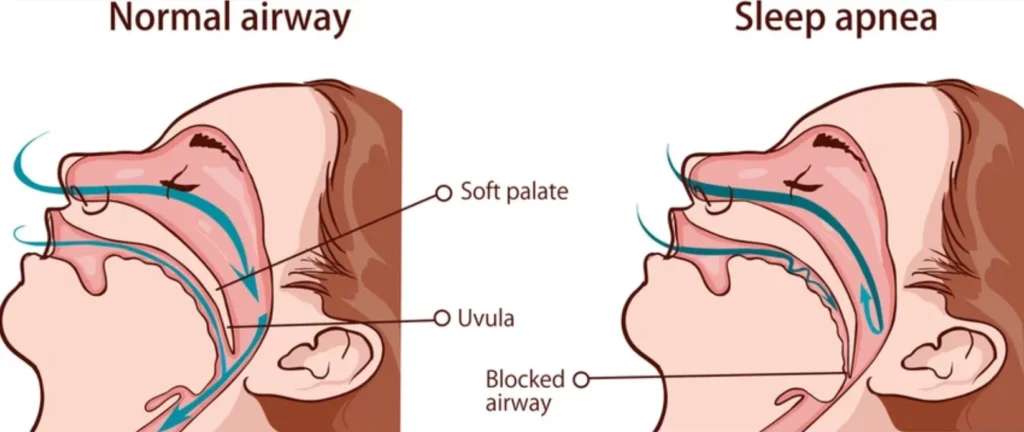
Snoring usually comes from vibration in the upper airway as air moves through a narrowed space. That narrowing can be influenced by sleep position, nasal congestion, alcohol, anatomy, and how the jaw and tongue sit when you relax.
Could this be sleep apnea, not “just snoring”?
Some headlines have been nudging people to learn the difference between everyday snoring and obstructive sleep apnea. That’s a good thing. Sleep apnea involves repeated breathing disruptions during sleep, and it can affect health and daytime function.
If you want a plain-language overview, see this resource on An inspirational solution to obstructive sleep apnea from CommonSpirit Health.
Common “screening” clues people mention
- Very loud snoring most nights
- Gasping, choking, or witnessed pauses in breathing
- Morning headaches or dry mouth
- Daytime sleepiness, brain fog, or irritability
If those sound familiar, a clinician can help you decide whether testing makes sense. A mouthpiece may still be part of the conversation, but it shouldn’t replace evaluation when red flags are present.
Do anti-snoring mouthpieces help sleep quality?
They can. Many mouthpieces work by gently guiding the lower jaw forward, which may help keep the airway more open. When the fit is comfortable and the positioning is right, some people notice fewer snores, fewer wake-ups, and better partner sleep.
Still, not every snore is a “jaw position” snore. If nasal blockage is the main driver, you may need to address that first. If sleep apnea is suspected, you’ll want medical input.
What people are comparing right now (and why it matters)
Recent chatter has included product reviews and “does it really work?” debates. That’s normal. The key is to judge a mouthpiece by practical outcomes:
- Comfort: Can you sleep through the night with it?
- Morning feel: Any jaw soreness or bite changes?
- Consistency: Does it stay in place?
- Partner feedback: Is the room quieter?
What about mouth taping and other viral sleep hacks?
Mouth taping has been circulating as a trend, including questions about safety for families. The big takeaway: a viral hack isn’t automatically a good fit for your body. If you have nasal congestion, allergies, or you’re taping a child’s mouth, the risk-benefit conversation changes fast.
If you’re tempted by shortcuts, pause and ask: “Is my nose clear? Do I have any breathing concerns? Am I trying to solve snoring or suspected apnea?” When in doubt, get professional guidance.
How do you choose an anti snoring mouthpiece that you’ll actually wear?
Buying the “best” device is less important than buying one you can tolerate nightly. Comfort drives consistency, and consistency drives results.
1) Start with fit and feel (comfort first)
A mouthpiece should feel secure but not aggressive. Too tight can cause soreness. Too loose can slip and fail to help. If you wake up clenching or with jaw pain, that’s a sign to reassess.
2) Think in small positioning changes
More forward isn’t always better. The goal is a gentle shift that supports airflow without straining the jaw. If your device allows adjustment, move gradually and track how you feel in the morning.
3) Consider combo support if mouth opening is part of your snore
Some people snore more when the mouth falls open. In those cases, a combo approach may be useful. If you’re exploring that route, see this anti snoring mouthpiece.
What’s the simplest cleanup routine that keeps it comfortable?
Cleanup is not glamorous, but it’s one of the easiest ways to improve comfort. A device that tastes or smells “off” won’t get used.
- After use: Rinse with cool or lukewarm water.
- Daily: Gently brush with mild soap (unless the product says otherwise).
- Dry: Air-dry fully before storing.
- Weekly: Check for buildup and inspect for wear.
Avoid harsh cleaners and high heat unless the manufacturer specifically recommends them. Heat can warp some materials and change the fit.
Medical disclaimer (read this)
This article is for general education only. It is not medical advice and does not diagnose, treat, or cure any condition. If you have symptoms of sleep apnea (such as choking/gasping, witnessed breathing pauses, or significant daytime sleepiness), talk with a qualified healthcare professional.
FAQs
Do anti-snoring mouthpieces work for everyone?
No. They often help when airway narrowing is influenced by jaw/tongue position, but outcomes vary.
Is snoring always a sign of sleep apnea?
No, but certain symptoms alongside snoring can be warning signs. If you’re unsure, get evaluated.
What’s the difference between a mouthguard and a MAD?
Many anti-snoring mouthpieces are MAD-style devices designed to position the lower jaw forward to support airflow.
Can I use mouth tape instead of a mouthpiece?
Mouth taping is a trend and may not be appropriate for everyone, especially with nasal blockage or in children. Ask a clinician if you’re considering it.
How do I clean an anti-snoring mouthpiece?
Rinse, gently clean with mild soap, and air-dry. Follow the product’s care instructions to protect fit and materials.
When should I stop using a mouthpiece and get checked?
Stop and seek guidance if you develop jaw pain, bite concerns, worsening sleep, or symptoms that suggest sleep apnea.