
- Snoring is a relationship issue before it’s a “sleep hack.” Fix the tension first, then the gear.
- Sleep gadgets are everywhere, but chasing perfect scores can backfire and keep you awake.
- An anti snoring mouthpiece can help when snoring is tied to airway position, especially on your back.
- Timing matters: travel fatigue, alcohol, congestion, and burnout weeks can make snoring louder.
- Screen for red flags (pauses in breathing, gasping, severe sleepiness) before you self-experiment.
Overview: why snoring feels louder lately
Snoring isn’t new. What’s new is how much attention sleep is getting. Between sleep trackers, “sleep optimization” trends, and a steady stream of wellness gadgets, people are thinking about sleep like a performance review.
That mindset can raise the stakes at home. One person wants silence. The other feels judged. Add workplace burnout or a late-night travel schedule, and you get the classic 2 a.m. standoff: “Can you please do something about this?”
If you want a grounded starting point, this Local sleep specialist shares tips to wake up feeling rested is the kind of practical framing most people need: small habits, consistent schedule, and fewer “miracle fixes.”
Timing: pick the right week to test changes
People often try a new solution on the worst possible week. Think: jet lag, a cold, end-of-quarter stress, or a string of late dinners. Then they label the attempt a failure.
Instead, choose a calmer 10–14 day window. Keep bedtime and wake time steady. Limit “variables” like alcohol close to bedtime. You’re not trying to win sleep. You’re trying to get clean feedback.
When snoring deserves extra caution
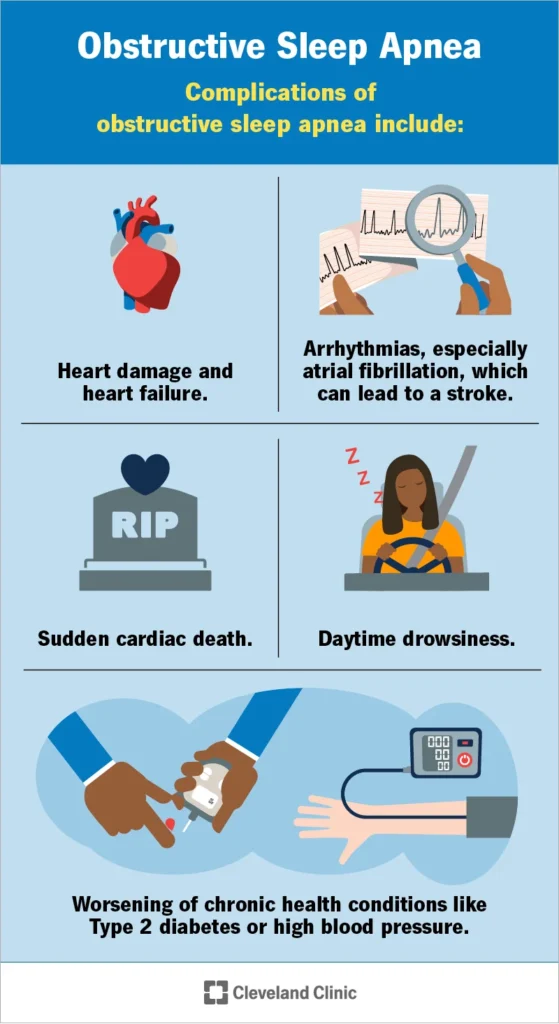
Snoring can be benign, but it can also be a sign of a bigger breathing issue during sleep. Don’t ignore patterns like loud snoring plus choking/gasping, witnessed breathing pauses, morning headaches, or significant daytime sleepiness.
If those show up, consider a medical screening. This article explains the basics in plain language: what is sleep apnea. It’s not a diagnosis tool, but it can help you decide whether to seek professional evaluation.
Supplies: what you need before you blame the snorer
Skip the dramatic overhaul. Gather a short list and keep it simple. The goal is fewer awakenings and less friction between partners.
- Baseline notes: 7 nights of “what happened” (bedtime, alcohol, congestion, back vs side sleeping).
- Comfort basics: supportive pillow, nasal support if you’re stuffy, and a consistent wind-down routine.
- A realistic mouthpiece plan: a product you can actually wear for a full night.
If you’re comparing devices, start here: anti snoring mouthpiece. You want a clear description, fit approach, and what to expect during adjustment.
Step-by-step (ICI): Identify → Choose → Iterate
This is the no-drama way to test an anti snoring mouthpiece without turning bedtime into a negotiation.
I — Identify what’s driving your snoring (most nights)
Ask two questions: “When is it worst?” and “What changed?” Snoring often spikes with back-sleeping, nasal congestion, weight changes, alcohol close to bedtime, or sheer exhaustion.
Also note the relationship context. If your partner is already sleep-deprived, even mild snoring can feel unbearable. That’s not pettiness. That’s a nervous system that’s done.
C — Choose one intervention to test (not five)
Pick a single primary change for 10–14 nights. If you choose a mouthpiece, commit to a real trial instead of one uncomfortable night.
Why a mouthpiece? Many anti-snoring mouthpieces are designed to support airway positioning by gently shifting the lower jaw forward. That can reduce vibration in some people. It’s not magic, and it’s not for everyone, but it’s a common starting point people discuss when sleep becomes a household problem.
I — Iterate with simple rules
- Night 1–3: expect “new device” awareness. Aim for tolerance, not perfection.
- Night 4–7: adjust fit if your device allows it. Keep notes on comfort and snoring intensity.
- Night 8–14: decide based on outcomes that matter: fewer wake-ups, less partner disruption, better mornings.
If you use a sleep tracker, don’t let it run the show. Recent conversations about “sleepmaxxing” highlight a real problem: obsessing over numbers can increase sleep anxiety. Use data as a hint, then prioritize how you feel and how functional you are during the day.
Mistakes that keep couples stuck in the snore loop
Turning sleep into a nightly courtroom
If the only time you talk about snoring is when you’re both angry at 3 a.m., you’ll repeat the same fight. Have the conversation in daylight. Make it a shared problem, not a personal flaw.
Expecting instant comfort from an oral device
Some people quit after one night of drooling or jaw tightness. A short adjustment period is common. Persistent pain is not. If it hurts, stop and get professional advice.
Testing during travel or peak stress
Hotel beds, late meals, and time-zone shifts can amplify snoring. Travel fatigue is real. Test at home first, then bring the solution on the road.
Ignoring apnea warning signs
Snoring plus breathing pauses, gasping, or heavy daytime sleepiness deserves medical attention. A mouthpiece might help snoring, but it’s not a substitute for evaluation when symptoms suggest a breathing disorder.
FAQ
Do anti-snoring mouthpieces work for everyone?
No. They can help some people, especially when jaw/tongue position contributes to snoring. Others may need different approaches.
How fast will I notice a difference?
Some notice changes quickly, but give it 10–14 nights to judge comfort and consistency.
Is loud snoring the same as sleep apnea?
Not always. Still, loud snoring with choking/gasping or witnessed pauses is a reason to get screened.
Can a mouthpiece improve sleep quality even if I still snore a little?
Yes, sometimes. Less intensity can mean fewer awakenings and a better night for the person next to you.
What if sleep tracking makes me more anxious?
Scale it back. Track a few basics (bedtime, wake time, caffeine timing) and focus on daytime energy and mood.
CTA: make tonight easier on both of you
If snoring is straining sleep and patience, start with one plan you can actually stick to for two weeks. A well-chosen mouthpiece can be part of that plan, alongside simple sleep habits and better timing.
How do anti-snoring mouthpieces work?
Medical disclaimer: This content is for general education and is not medical advice. It does not diagnose, treat, or cure any condition. If you have symptoms such as breathing pauses, gasping, severe daytime sleepiness, chest pain, or persistent jaw/tooth pain, seek evaluation from a qualified healthcare professional.