
- Snoring is having a moment—sleep gadgets, viral hacks, and “biohacker” routines are everywhere.
- Sleep quality is the real goal. Less noise is great, but consistent, restorative sleep is better.
- Skip risky shortcuts. Trends like mouth taping get attention, but safety depends on your situation.
- An anti snoring mouthpiece can be a practical tool if your snoring is positional or related to jaw/tongue posture.
- Fit, comfort, and cleanup decide success. If it’s annoying, you won’t wear it.
Between travel fatigue, workplace burnout, and the classic “your snoring is a third roommate” relationship joke, more people are hunting for solutions that actually stick. The internet serves up everything from smart rings to viral sleep hacks. Some help. Some are just loud ideas.
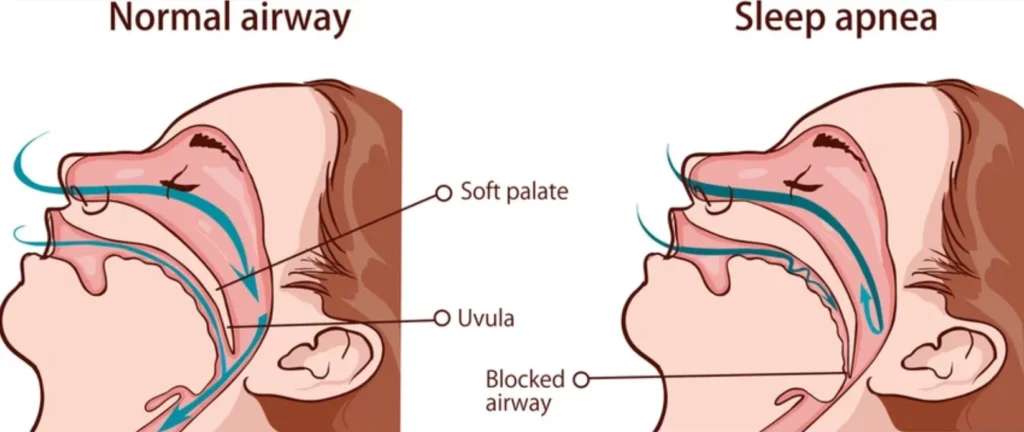
This guide keeps it simple: an if-then decision path, plus the basics that matter most—ICI (impression, comfort, and integrity), positioning, and cleanup.
If…then…: a no-drama snoring decision guide
If your snoring is worse on your back, then start with positioning
Back-sleeping often makes the airway more collapsible. If your partner says the snoring spikes when you roll onto your back, you’ve got a clear clue.
Try a pillow change, side-sleep support, or travel-friendly positioning tricks. This is especially useful after red-eye flights or long work stretches when your sleep posture gets sloppy.
If you’re chasing a viral sleep trend, then sanity-check the safety first
Sleep culture loves a bold hack. Mouth taping is one of the most discussed. It’s also one of the most debated.
Before you copy a TikTok routine, read a clinician-focused overview like Why Doctors Say You Shouldn’t Tape Your Mouth Shut at Night. If you have nasal congestion, allergies, or any concern about breathing at night, don’t wing it.
If you want a tool you can actually use nightly, then consider an anti snoring mouthpiece
Many popular options are mandibular advancement-style mouthpieces. They aim to hold the lower jaw slightly forward. That can help reduce tissue vibration for some sleepers.
Think of it like changing the “shape” of the airway space, not forcing your body to do something unnatural. Comfort still matters more than hype.
If you suspect sleep apnea, then don’t self-treat the noise
Snoring can be harmless. It can also be a sign of obstructed breathing during sleep. If you notice choking/gasping, morning headaches, or heavy daytime sleepiness, treat that as a medical flag.
A mouthpiece might still be part of a plan for some people, but you’ll want a proper evaluation first. Sleep health is bigger than decibel control.
If your current mouthpiece feels “off,” then fix the ICI basics
ICI = Impression, Comfort, Integrity. It’s the fastest way to predict whether you’ll keep using it.
- Impression (fit): It should seat securely without you clenching. Loose fit often equals more drool, more wake-ups, and less benefit.
- Comfort: Mild adjustment is common. Sharp pain, tooth pain, or jaw locking is not a “push through it” situation.
- Integrity: Check for cracks, warping, or rough edges. Damaged devices can irritate gums and change how your bite feels.
If you travel a lot, then prioritize portability and a simple routine
Hotel air can be dry. Flight schedules can wreck your rhythm. That’s when snoring often gets louder and patience gets shorter.
Pick something with a case, easy cleaning, and a fit you can tolerate on a weird pillow at 1 a.m. A complicated setup won’t survive a work trip.
What people are talking about right now (and what to do with it)
Sleep gadgets: helpful feedback, not a cure
Trackers can highlight patterns—like worse sleep after late alcohol, heavy meals, or stress. Use the data to adjust habits. Don’t let a score start running your life.
Relationship humor: the “fix” has to work for both people
If snoring is causing separate bedrooms or nightly nudges, treat it like a shared sleep-health project. A solution that reduces noise but ruins your comfort won’t last.
Burnout culture: your nervous system notices everything
When you’re fried, your sleep gets lighter. Light sleep makes you more aware of every sound, including your own breathing. Small improvements compound fast when stress is high.
Choosing a mouthpiece without overthinking it
Start with your “non-negotiables”
- Comfort for at least 6–8 hours
- Stable fit (doesn’t pop out)
- Materials you tolerate
- Cleaning you’ll actually do
Look at options, then pick for consistency
If you’re comparing styles and features, focus on what you’ll wear nightly. Here’s a starting point for browsing anti snoring mouthpiece that are designed for regular use.
Comfort, positioning, cleanup: the practical trifecta
Comfort: avoid the “jaw workout” feeling
A good fit should feel supportive, not aggressive. If you wake up sore every morning, the device may be too advanced, too bulky, or poorly seated.
Positioning: pair tools for better odds
Many people do best with a combo: side-sleep support plus a mouthpiece. You’re reducing the airway squeeze from two angles.
Cleanup: keep it simple and consistent
Rinse, gently brush, air-dry, and store in a ventilated case. A funky device becomes a device you stop using.
FAQ
Do anti-snoring mouthpieces work if I have congestion?
They may help some people, but congestion can still disrupt breathing and sleep quality. Addressing nasal comfort may improve results.
Can I use a mouthpiece every night?
Many people do, but tolerance varies. If you develop jaw pain, tooth pain, or bite changes, pause and talk with a dental professional.
What if my partner says the snoring is “different” now?
Changes in snoring pattern—especially with gasping or pauses—are worth a medical conversation. Don’t assume it’s just a louder phase.
Next step: get a solution you’ll use
If your goal is quieter nights and better sleep quality, choose a tool that fits your routine, not your feed. A comfortable mouthpiece plus smart positioning is a realistic starting point for many snorers.
How do anti-snoring mouthpieces work?
Medical disclaimer: This article is for general education only and is not medical advice. Snoring can have many causes, including sleep-disordered breathing. If you have symptoms like choking/gasping, breathing pauses, severe daytime sleepiness, chest pain, or persistent morning headaches, seek evaluation from a qualified clinician.