
Is your snoring wrecking your sleep quality?
Are you tempted by viral hacks like mouth taping or “sleepmaxxing” your way into perfect rest?
And would an anti snoring mouthpiece be a simpler, safer starting point?
For a lot of people, snoring isn’t just a punchline. It’s a nightly drain on energy, mood, and focus. It can also turn bedtime into a relationship negotiation, especially after travel fatigue or a stressful work stretch.
Let’s sort what people are talking about right now—sleep gadgets, tracking trends, and the mouth-taping debate—then get practical about mouthpieces and sleep health.
Why is everyone suddenly talking about mouth taping and sleep hacks?
Sleep trends move fast. One week it’s a new wearable score. Next week it’s a strip of tape and a promise of deeper sleep.
Recent conversations in the mainstream have included doctors cautioning against taping your mouth shut at night, plus reminders from sleep specialists to stick with basics that actually help you wake up rested. There’s also pushback on “sleepmaxxing,” where tracking and optimizing can become its own stressor.
If you’re exhausted, it’s understandable to reach for a quick fix. The issue is that not every hack fits every body. If your nose is congested, you suspect sleep apnea, or you simply can’t breathe well through your nose, mouth taping can create problems instead of solving them.
Want a quick overview of the medical caution around this trend? Here’s a helpful reference framed like a search query: Why Doctors Say You Shouldn’t Tape Your Mouth Shut at Night.
What does snoring do to sleep quality (besides annoy everyone)?
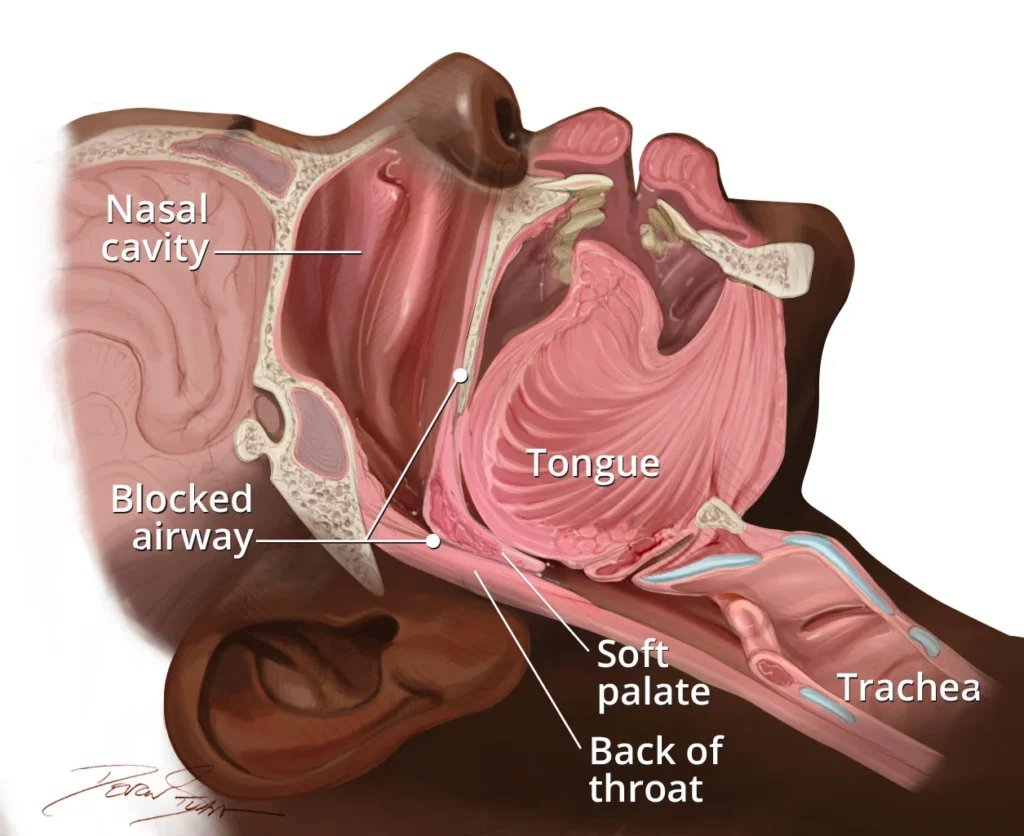
Snoring can be a simple vibration issue, or it can be a clue that airflow is restricted. Either way, it can fragment sleep. You might not remember waking up, but your body can still pay the price.
Common “next-day” patterns people report include:
- Dry mouth, sore throat, or headaches in the morning
- Feeling unrefreshed even after a full night in bed
- Brain fog that makes workplace burnout feel even worse
- More tension at home (snoring is funny until it’s nightly)
Snoring also tends to spike during real life: red-eye flights, hotel pillows, seasonal congestion, alcohol close to bedtime, or sleeping flat on your back. That’s why “it only happens sometimes” is still worth taking seriously.
Is an anti snoring mouthpiece a reasonable first step?
For many adult snorers, yes. An anti snoring mouthpiece is a common, non-surgical tool that aims to improve airflow by adjusting jaw or tongue position during sleep (design depends on the device). That can reduce the vibration that creates the sound—and may support steadier sleep.
It’s also a lot less complicated than building a nightly routine around five apps, two devices, and a new supplement stack. If sleep tracking motivates you, keep it. If it makes you anxious, simplify.
Why mouthpieces fit the “right now” moment
People are tired of feeling tired. They’re also tired of expensive gadgets that don’t change how they feel. A mouthpiece is tangible: you can tell quickly whether it’s comfortable, whether it affects snoring volume, and whether your partner stops nudging you at 2 a.m.
When a mouthpiece is not enough
If you have loud snoring plus choking/gasping, witnessed breathing pauses, or strong daytime sleepiness, don’t self-experiment forever. Those can be signs of sleep apnea, which needs medical evaluation.
How do you pick an anti-snoring mouthpiece without overthinking it?
Keep it simple and focus on fit, comfort, and consistency.
- Start with your pattern: all-night snoring vs. “only when I’m on my back” vs. “only when I’m congested.”
- Prioritize comfort: a device that sits in a drawer won’t help your sleep health.
- Give it a fair trial: many people need a short adjustment period.
- Watch your daytime energy: less noise is great, but better rest is the real win.
If you’re comparing options, this is a straightforward place to start: anti snoring mouthpiece.
What else helps snoring and sleep quality right now (without turning bedtime into a project)?
Sleep specialists tend to repeat the boring stuff because it works. Pair a mouthpiece with a few basics and you’ll often do better than any extreme hack.
Keep the room and routine “low drama”
- Keep a consistent sleep window most nights
- Cool, dark room; minimize late-night scrolling
- Limit alcohol close to bedtime if it worsens snoring for you
Travel fatigue: plan for the predictable
When you travel, you stack the deck against sleep: different bed, different air, different schedule. Pack what helps you repeat your routine. If snoring becomes a hotel-room issue (or a “separate beds” joke), a mouthpiece can be an easy add.
FAQ: quick answers people ask before trying a mouthpiece
Can sleep trackers tell me if I snore?
Some can estimate snoring or sound patterns. Treat it as a clue, not a diagnosis.
Will an anti-snoring mouthpiece cure snoring forever?
It may reduce snoring while you use it. Snoring triggers can still change with weight, congestion, alcohol, and sleep position.
What if my partner snores too?
Solve it like a shared household problem. Compare triggers, test one change at a time, and consider separate solutions.
CTA: make your next step simple
You don’t need a trend to sleep better. Start with a practical tool, then build from there if needed.
How do anti-snoring mouthpieces work?
Medical disclaimer: This article is for general education and isn’t medical advice. Snoring can sometimes signal sleep apnea or other health issues. If you have breathing pauses, choking/gasping, chest pain, severe daytime sleepiness, or persistent symptoms, seek evaluation from a qualified clinician.