
Snoring has become a full-on lifestyle topic. Between sleep trackers, “biohacking” reels, and travel fatigue, everyone wants a faster fix.
But your sleep isn’t a meme, and neither is your breathing.
Thesis: Choose safer, screen-first options—then use an anti snoring mouthpiece the right way, with simple documentation and guardrails.
Quick overview: why snoring is everywhere right now
Snoring is having a moment because people are tired. Burnout, late-night scrolling, and constant schedule shifts can turn “light snoring” into a household issue.
It’s also relationship content gold. The jokes land because the problem is real: broken sleep affects mood, focus, and patience the next day.
Meanwhile, viral trends like mouth taping keep circulating. Before you copy a hack, it helps to zoom out and think in terms of airway, safety, and what you can realistically stick with.
If you want a general read on the mouth-taping conversation, see this related coverage here: Is Mouth Taping Safe for Sleep? What Parents Should Know About This TikTok Trend.
Timing: when to troubleshoot snoring (and when to get screened)
Start with timing because it reduces risk. Some snoring is situational, and some needs medical screening.
Try home changes first when snoring is new or clearly triggered
If snoring spikes after travel, alcohol, allergies, a cold, or a rough workweek, you may be dealing with short-term airway irritation and sleep debt. In those cases, your “fix” may be temporary too.
Give it a week of consistent sleep hours, hydration, and nasal support if congestion is present. Then reassess.
Screen sooner if red flags show up
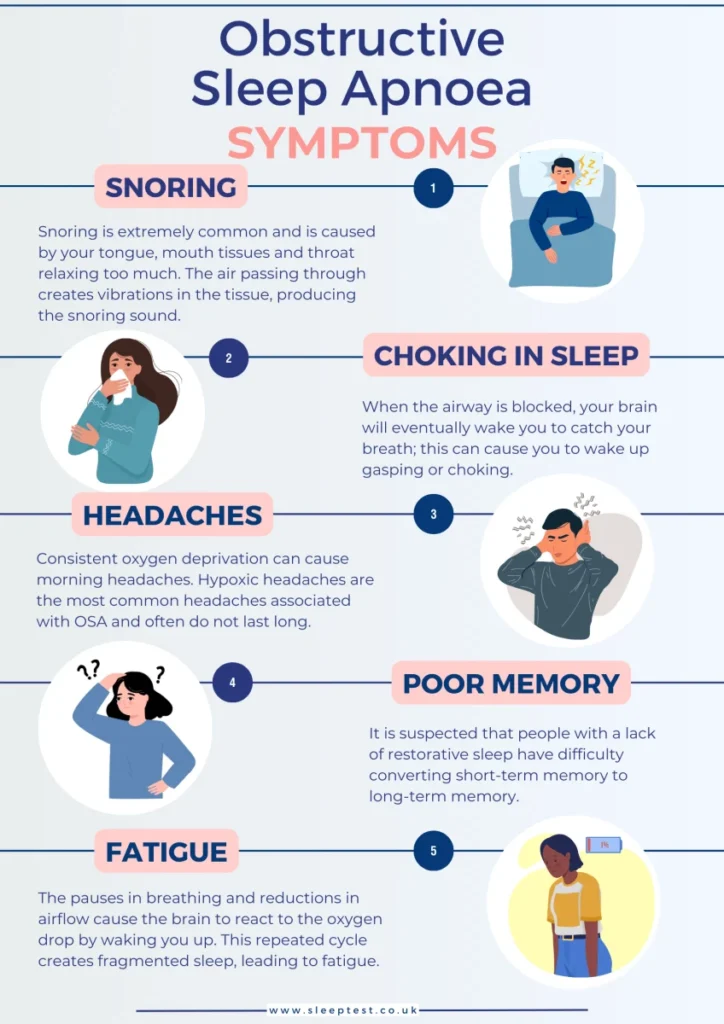
Snoring can be associated with sleep apnea. Don’t self-experiment for months if you notice warning signs like choking or gasping, observed breathing pauses, morning headaches, or heavy daytime sleepiness.
If any of those fit, talk with a clinician about evaluation. A mouthpiece may still play a role, but screening comes first.
Supplies: what to gather before you use an anti snoring mouthpiece
Think like a cautious buyer, not a late-night impulse shopper. The goal is comfort, consistency, and fewer surprises.
Core items
- Mouthpiece (follow the product’s fitting instructions closely)
- Mirror and good lighting for fit checks
- Case with airflow so it can dry between uses
- Soft toothbrush dedicated to cleaning the device
Helpful add-ons
- Notebook note or phone note to log changes (snoring, comfort, jaw soreness)
- Simple sleep tracker data if you already use one (don’t buy one just for this)
- Optional chin strap combo if mouth breathing is a big part of your pattern and the product is designed for it
Step-by-step (ICI): Implement → Check → Improve
This is the fastest way to stay safe and avoid wasting money. It also creates a clean record of what you tried and why.
1) Implement: fit it and start gently
Follow the instructions for molding or fitting. Don’t “over-advance” the jaw on night one just because you want instant silence.
Use it for a shorter window the first night if you need to. Comfort drives compliance, and compliance drives results.
2) Check: run a 3-point morning review
- Breathing: Did you wake up dry-mouthed or congested?
- Comfort: Any jaw soreness, tooth pressure, or gum irritation?
- Outcome: Any change in snoring volume (partner report helps) or nighttime wake-ups?
Write down a one-line summary. This is your safety log and your decision trail.
3) Improve: adjust one variable at a time
If the device allows incremental adjustment, change only one step every few nights. Pair that with basic sleep hygiene that actually moves the needle: consistent bedtime, side-sleeping support, and reduced alcohol near bedtime.
If you’re mouth breathing due to congestion, address the congestion rather than forcing a trend-based workaround. Viral hacks can distract from the real bottleneck.
Mistakes people make (and how to avoid them)
Buying around symptoms instead of screening
If snoring comes with significant daytime sleepiness or breathing pauses, don’t treat a mouthpiece like a diagnosis. Use it as a tool within a bigger plan that includes evaluation when needed.
Copying TikTok sleep trends without a safety check
Mouth taping gets attention because it’s simple and visual. But “simple” doesn’t mean “safe for everyone,” especially if nasal airflow is limited or sleep apnea is possible.
Cranking the jaw forward too fast
More isn’t always better. Too much advancement can cause jaw pain, tooth discomfort, or bite changes. Slow adjustments protect your consistency.
Skipping cleaning and storage basics
A mouthpiece lives in a warm, moist environment. Clean it daily and let it dry fully in a ventilated case. Replace it as directed by the manufacturer.
Ignoring relationship dynamics
Snoring becomes “relationship fatigue” fast. Make it a shared experiment: agree on a two-week test window, define what “better” means, and keep the tone light.
FAQ: fast answers before you commit
What if my snoring is mostly when I’m on my back?
That’s common. Combine a mouthpiece trial with side-sleep support (like a body pillow) and track whether the combo changes outcomes.
Can I use an anti snoring mouthpiece if I grind my teeth?
Sometimes, but it depends on the device and your bite. If you have significant grinding or jaw pain, ask a dental professional what’s appropriate.
What’s a realistic success metric?
Look for fewer awakenings, less partner disturbance, and better daytime energy. “Perfect silence” is not the only win.
Medical disclaimer: This article is for general education and does not provide medical advice. Snoring can have many causes, including sleep apnea. If you have breathing pauses, choking/gasping, chest pain, severe daytime sleepiness, or persistent symptoms, seek evaluation from a qualified clinician.
CTA: a practical product option to consider
If you want a single purchase that targets snoring mechanics and mouth breathing support, consider this: anti snoring mouthpiece.