
Is your snoring getting louder—or just more noticeable?
Are sleep gadgets and “sleepmaxxing” making you calmer… or more stressed?
Do you want an anti snoring mouthpiece, but you also want to do it safely?
Those are the right questions. People are talking about sleep more than ever: wearables, apps, travel fatigue, and the kind of burnout that makes you feel tired even after eight hours. Add relationship humor (the “who’s sleeping on the couch?” debate), and snoring becomes a nightly headline in your own home.
This guide answers those three questions with a practical plan. It’s built for real life, not perfect routines.
Overview: What’s happening with snoring and sleep right now
Snoring sits at the intersection of comfort, health, and household peace. It can be harmless. It can also be a sign that your airway is struggling during sleep.
At the same time, sleep culture is having a moment. Tracking tools and “optimize everything” trends can help you notice patterns. They can also backfire if they turn bedtime into a performance review. If you want a broader take on tracking trends, see this related coverage: Local sleep specialist shares tips to wake up feeling rested.
Meanwhile, viral hacks keep cycling through. Mouth taping is one example that gets attention fast. Safety matters here. If you can’t breathe well through your nose, taping can be risky and uncomfortable. When in doubt, skip the trend and ask a clinician.
Timing: When to try a mouthpiece—and when to pause
Good times to test an anti snoring mouthpiece
- After a “baseline week” where you note bedtime, alcohol, congestion, and sleep position.
- When travel settles down. Jet lag and hotel dryness can temporarily worsen snoring.
- When your schedule is stable for at least 7–10 nights, so you can judge changes fairly.
Times to stop self-experimenting and get screened
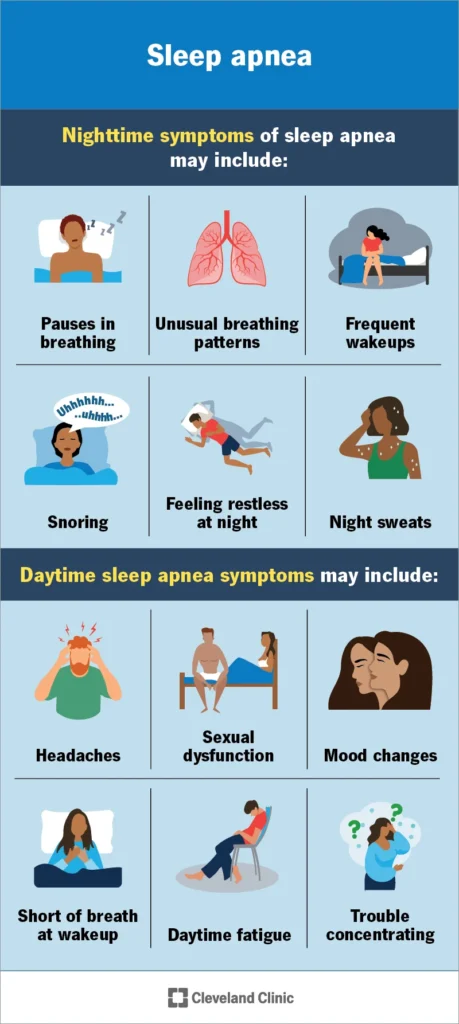
- Choking, gasping, or witnessed breathing pauses during sleep
- Severe daytime sleepiness, morning headaches, or drowsy driving risk
- High blood pressure or heart risk factors plus loud snoring
- New or worsening symptoms despite basic changes
Snoring can be “just snoring,” but sleep apnea is different. Screening protects your health and reduces the risk of choosing the wrong fix.
Supplies: What you need for a safer, cleaner trial
Think of this like setting up a small experiment. You want fewer variables and better hygiene.
- Your mouthpiece (follow the manufacturer’s instructions)
- A simple sleep log (notes app is fine): snoring reports, wake-ups, dryness, jaw comfort
- Cleaning basics: mild soap, cool water, a dedicated case, and clean hands
- Optional comfort helpers: saline rinse for nasal stuffiness, humidifier if your room is dry
If you’re comparing products, start with a short list instead of doom-scrolling reviews at midnight. Here’s a category page to explore: anti snoring mouthpiece.
Step-by-step (ICI): Identify → Choose → Implement
1) Identify your likely snoring drivers
Use a quick checklist for 7 nights:
- Position: worse on your back?
- Congestion: seasonal allergies, dry air, or a cold?
- Alcohol/sedatives: do you snore more after them?
- Stress and burnout: are you wired at bedtime and crashing later?
This isn’t about blame. It’s about choosing a tool that matches the pattern.
2) Choose a plan that’s easy to follow
Most people do better with one change at a time. If you add a new pillow, a new app, a new supplement, and a mouthpiece in the same week, you won’t know what helped.
Also, don’t let tracking become the boss of your sleep. If a wearable score makes you anxious, scale it back. Better sleep is the goal, not a perfect graph.
3) Implement the mouthpiece trial safely
- Night 1–2: wear it for a shorter window if needed. Focus on comfort and fit.
- Night 3–7: aim for consistent use. Keep your sleep log simple.
- Week 2: evaluate trends: fewer wake-ups, less partner disturbance, less dry mouth.
Document your choice. Write down why you picked this approach and what you’re monitoring (jaw pain, tooth pressure, headaches, daytime sleepiness). If you later talk with a dentist or sleep clinician, those notes help.
Mistakes that waste money (or create new problems)
Stacking too many “sleep hacks” at once
It’s tempting, especially when social feeds push nightly routines like a checklist. Keep it boring. Boring is repeatable.
Ignoring jaw or tooth symptoms
Soreness that fades quickly can happen during adjustment. Sharp pain, tooth pain, or persistent headaches are not “normal.” Stop and get advice.
Using viral trends as a substitute for breathing safety
If you’re considering mouth taping, be cautious. If nasal breathing isn’t reliably clear, taping can make you feel panicky or short of breath. Kids and teens need extra caution and clinician input.
Skipping the relationship conversation
Snoring is a teamwork problem. Agree on what “better” means: fewer wake-ups, quieter nights, or less resentment at 2 a.m. A little humor helps, but a plan helps more.
FAQ
Do anti-snoring mouthpieces work for everyone?
No. They can help some people, especially with positional snoring, but results vary by anatomy, nasal congestion, and sleep habits.
Is mouth taping a safe alternative to a mouthpiece?
It’s a viral trend, but it isn’t right for everyone. If you have nasal blockage, reflux, anxiety, or any breathing concerns, talk with a clinician before trying it.
How long does it take to get used to an anti snoring mouthpiece?
Many people need several nights to a few weeks. Start gradually and stop if you develop jaw pain, tooth pain, or headaches.
Can a mouthpiece improve sleep quality?
If it reduces snoring and sleep disruptions, sleep may feel more restorative. It won’t replace good sleep habits like consistent timing and a wind-down routine.
When should I get checked for sleep apnea instead of self-treating snoring?
If you have loud snoring plus choking/gasping, witnessed pauses in breathing, severe daytime sleepiness, or high blood pressure, get evaluated promptly.
CTA: Make the next step simple
If snoring is disrupting your sleep (or your partner’s), start with a short, documented trial and keep safety first. You’re not trying to “win” sleep. You’re trying to make it easier to get.
How do anti-snoring mouthpieces work?
Medical disclaimer: This article is for general education only and is not medical advice. Snoring can be a symptom of obstructive sleep apnea or other conditions. If you have breathing pauses, choking/gasping, significant daytime sleepiness, chest pain, or other concerning symptoms, seek evaluation from a qualified clinician.