
Snoring is having a moment. Not the cute kind—more like the “we both need sleep and tomorrow starts early” kind.
Between sleep trackers, travel fatigue, and burnout chatter, a lot of people are hunting for a fix that doesn’t turn bedtime into a second job.
If you want better sleep without wasting a cycle, an anti snoring mouthpiece can be a practical place to start—if you’re the right match.
What people are talking about right now (and why it matters)
Sleep tech is everywhere. So is “sleepmaxxing,” where optimizing becomes its own stressor. If your tracker has you micro-managing every metric, you’re not alone.
At the same time, more mainstream health coverage is pushing a simple message: loud snoring can be just snoring, but it can also be a sign you should take seriously—especially when daytime fatigue shows up.
If you’re wondering how this connects to mouthpieces, it’s simple. A mouthpiece is a low-friction tool. It can be cheaper than many gadgets and easier than redesigning your whole routine.
The no-fluff decision guide (If…then…)
If your snoring is a relationship problem first, then start with fast, reversible steps
If your partner is nudging you at 2 a.m., you want something you can try at home. Start with basics for a week: side sleeping, less alcohol near bedtime, and clearing nasal congestion if that’s your pattern.
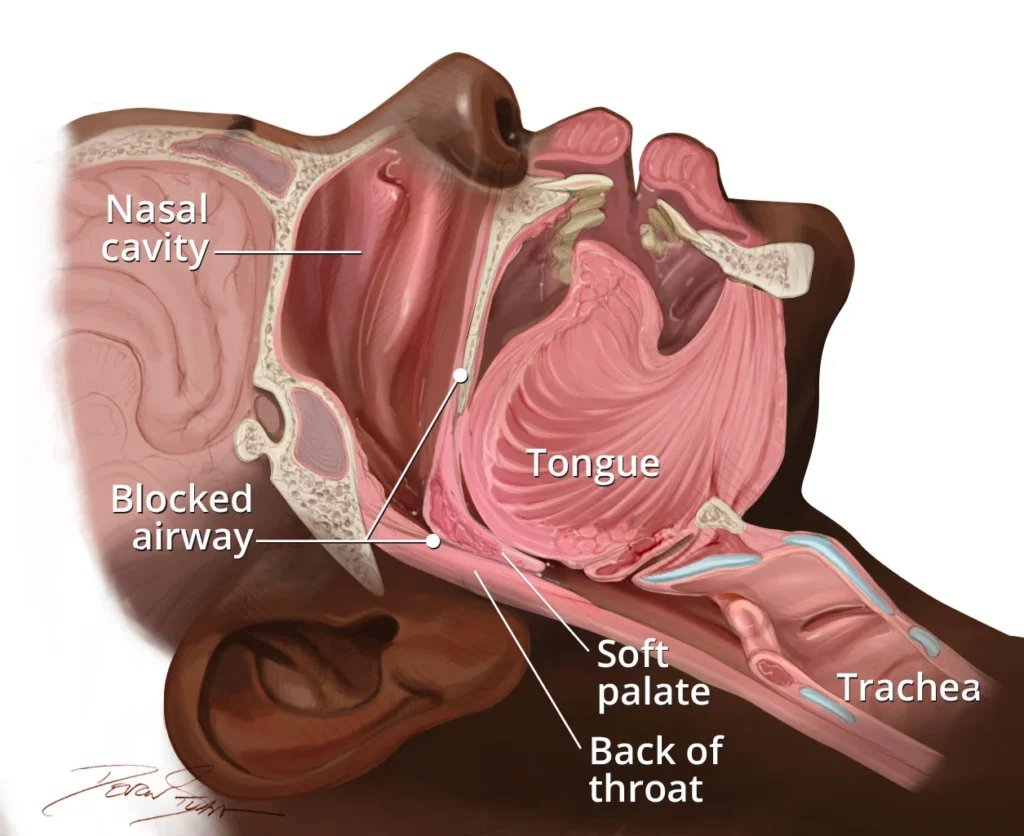
If that helps but doesn’t solve it, a mouthpiece may be the next logical step. It’s designed to support airflow by changing jaw or tongue positioning during sleep.
If you wake up tired even after “enough hours,” then zoom out to sleep quality
Time in bed isn’t the same as restorative sleep. Travel, late-night screens, and stress can all fragment sleep, even when you hit your usual bedtime.
Try tightening the boring stuff first: consistent schedule, cooler/darker room, and a wind-down routine you’ll actually repeat. If snoring still shows up most nights, a mouthpiece can be a targeted add-on rather than another lifestyle overhaul.
If you’re deep in sleep tracking, then don’t let the data run your life
Wearables can be useful, but they can also create performance anxiety. If you’re checking stats before you’ve even had coffee, take a step back.
Use tracking as a trend tool: “Do I snore more after drinks?” “Is it worse on my back?” Pair those clues with a practical trial. A mouthpiece trial can be simpler than buying the next gadget.
If you suspect something more than snoring, then don’t self-solve in silence
Some headlines have been highlighting sleep apnea education and treatment stories, and that’s a good thing. Snoring can be linked to obstructive sleep apnea for some people, and that’s not a DIY situation.
If you’re looking for a plain-language explainer, see An inspirational solution to obstructive sleep apnea from CommonSpirit Health.
Common red flags include loud snoring plus choking/gasping, witnessed breathing pauses, or significant daytime sleepiness. If that’s you, talk with a clinician or sleep specialist before relying on an over-the-counter device.
Where an anti snoring mouthpiece fits (and where it doesn’t)
When it’s a good budget move
A mouthpiece can make sense when you want a single purchase that’s easy to test. It’s also appealing if your snoring is position-related or you notice it’s worse when your jaw relaxes.
Think of it like aligning a slightly pinched garden hose. You’re not “adding more water.” You’re trying to reduce the kink that creates noise and turbulence.
When to pause or get advice first
If you have jaw pain, TMJ issues, loose dental work, or significant dental concerns, get guidance first. Fit matters, and discomfort is a sign to reassess.
If you suspect sleep apnea, don’t treat a potential medical condition as a gadget problem. A mouthpiece may still be part of a plan, but it shouldn’t be the whole plan.
Quick checklist: don’t waste a cycle
- Pick one change at a time (mouthpiece plus three other hacks is hard to evaluate).
- Give it a fair trial (several nights to adjust is normal).
- Track outcomes that matter: partner reports, morning dryness, headaches, daytime energy.
- Stop if pain shows up (soreness is one thing; sharp jaw pain is another).
FAQ
Do anti-snoring mouthpieces work for everyone?
No. They’re often most helpful when snoring is related to jaw or tongue position, but results vary.
What’s the difference between snoring and sleep apnea?
Snoring is a sound from narrowed airflow. Sleep apnea involves repeated breathing interruptions and needs medical evaluation.
How long does it take to get used to a mouthpiece?
Many people adjust within days to a couple of weeks. Early drooling or mild soreness can happen.
Are boil-and-bite mouthpieces safe?
They’re commonly used, but comfort and fit are key. Dental or jaw issues are a reason to ask a professional first.
Can sleep trackers confirm I need a mouthpiece?
No. They can highlight patterns, not diagnose conditions.
CTA: Compare options without overthinking it
If you want a straightforward place to start, review anti snoring mouthpiece and choose a style that matches your comfort level and budget.
How do anti-snoring mouthpieces work?
Medical disclaimer: This article is for general education only and isn’t medical advice. Snoring can sometimes signal a sleep-related breathing disorder. If you have symptoms like choking/gasping, witnessed breathing pauses, severe daytime sleepiness, or ongoing concerns, seek evaluation from a qualified clinician.