
Snoring turns bedtime into negotiation. One person wants “just five more minutes,” the other wants silence. Add travel fatigue, a new sleep gadget on the nightstand, and work burnout, and it’s easy to feel stuck.
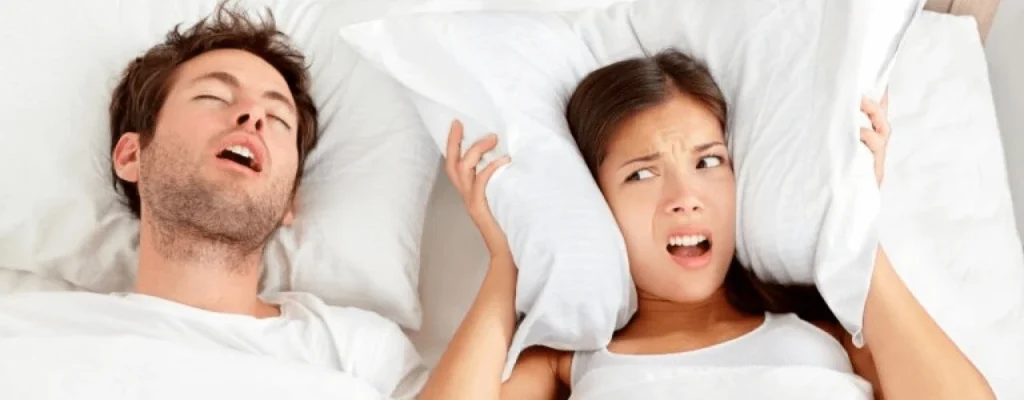
If snoring is hurting your sleep quality or your relationship, an anti snoring mouthpiece can be a practical next step—when it matches your pattern and your health picture.
What people are talking about right now (and why it matters)
Sleep content is everywhere. You’ll see quick tips from clinicians, mouthpiece reviews, and “best of” lists that make it sound like everyone should buy something today. That attention is helpful, but it also adds pressure—especially if your partner is joking about “sleep divorce” while you’re quietly worried.
Use the buzz as a prompt to get clear. Your goal is not a perfect gadget stack. It’s calmer nights, better rest, and fewer tense mornings.
Your no-drama decision guide: If…then…
If your snoring is occasional (stress, travel, alcohol, allergies)…then start simple
If snoring spikes after red-eye flights, late dinners, or a tough week at work, begin with low-lift changes. Try consistent sleep timing, side sleeping, and cutting back on late-night alcohol. Nasal congestion support can help too.
Then reassess for a week or two. If the noise drops, you may not need a device every night.
If your partner says it’s “every night” and you wake up with dry mouth…then consider a mouthpiece
Regular snoring plus dry mouth can point to mouth breathing or airway narrowing during sleep. An anti snoring mouthpiece is designed to keep the airway more open by adjusting jaw or tongue position (depending on the style).
This can be a relationship saver because it targets the sound source, not just the symptoms. It also gives both of you a plan that feels fair.
If you’re tempted by viral hacks and tape trends…then choose the safer, reversible option
When you’re exhausted, it’s easy to try whatever is trending. Many “sleep hacks” are hard to evaluate and easy to overdo. A properly designed mouthpiece is a more direct, reversible approach than experimenting with extreme solutions.
Set a clear trial: wear it consistently, track comfort, and note whether your partner reports fewer disruptions.
If you have jaw pain, dental issues, or you clench/grind…then slow down and protect comfort
Some people clench when stressed, especially during burnout seasons. A mouthpiece may still be possible, but fit and comfort matter more. Start with short wear periods and stop if pain ramps up.
If you have significant dental work, loose teeth, or ongoing TMJ symptoms, get guidance before committing.
If you snore loudly AND feel unrefreshed, sleepy, or get “choking/gasping” reports…then rule out sleep apnea
Snoring is common, but certain patterns deserve a medical check. Sleep apnea is linked with breathing disruptions and can affect health and daytime function. If the story includes pauses in breathing, gasping, morning headaches, or persistent daytime sleepiness, don’t guess.
For a plain-language overview of warning signs, see How to stop snoring: 7 tips from a board-certified physician.
How to talk about snoring without starting a fight
Snoring can feel personal, even when it isn’t. Try a team framing: “We’re both losing sleep. Let’s test one change this week.” Keep it specific and time-limited.
Make the goal about sleep quality, not blame. Better rest tends to improve patience, mood, and even how you handle work stress together.
FAQ: Quick answers before you buy
Do anti-snoring mouthpieces work for everyone?
No. They can help some people, especially with simple snoring, but results vary based on anatomy, sleep position, and whether sleep apnea is present.
What’s the difference between a mouthguard and an anti-snoring mouthpiece?
A sports mouthguard mainly protects teeth. An anti-snoring mouthpiece is designed to change jaw or tongue position to keep the airway more open during sleep.
Can a mouthpiece help if I only snore when I’m on my back?
Often, yes. Back-sleeping can worsen airway collapse, so combining side-sleep strategies with a mouthpiece may improve results.
Is loud snoring always sleep apnea?
No, but it can be a sign. If snoring comes with choking/gasping, pauses in breathing, or heavy daytime sleepiness, get evaluated.
What are common side effects of anti-snoring mouthpieces?
Some people notice jaw soreness, tooth discomfort, dry mouth, or excess saliva at first. Fit and gradual adjustment can matter.
When should I stop self-treating and see a clinician?
If you have symptoms suggestive of sleep apnea, significant daytime impairment, or persistent pain in the jaw/teeth, talk with a qualified professional.
CTA: Try a straightforward next step
If you want a simple setup that targets snoring and supports nighttime breathing habits, consider an anti snoring mouthpiece. Give it a fair trial, keep notes, and prioritize comfort.
How do anti-snoring mouthpieces work?
Medical disclaimer: This article is for general education only and is not medical advice. Snoring can have many causes, including sleep apnea. If you have breathing pauses, choking/gasping, chest pain, severe daytime sleepiness, or other concerning symptoms, seek evaluation from a qualified clinician.