
Is your snoring turning bedtime into a negotiation?
Are sleep trackers and “sleepmaxxing” trends making you more stressed, not more rested?
Are you wondering if an anti snoring mouthpiece is a legit tool or just another sleep gadget?
Yes, snoring can wreck sleep quality for two people at once. And yes, the current wave of sleep tech, travel fatigue, and burnout chatter makes it harder to know what actually helps. This guide breaks down what people are discussing right now, plus where mouthpieces fit in a realistic sleep-health plan.
Why does snoring feel louder lately (even if it’s “the same”)?
Snoring hasn’t suddenly become new. What’s new is how many things stack the odds against good sleep. Think late-night scrolling, irregular schedules, work stress, and frequent travel that messes with routine.
When you’re already running on fumes, even moderate snoring can feel like a siren. Couples also notice it more during stressful seasons, because patience is lower and communication is shorter.
Snoring vs. “bad sleep”: the relationship trap
Snoring often becomes the visible villain. Meanwhile, the real issue may be a bigger sleep-quality problem: short sleep time, fragmented sleep, or inconsistent timing. That’s why the best approach is usually a two-lane plan: reduce snoring and protect sleep habits.
Could my snoring be a sleep health red flag?
Sometimes snoring is just snoring. Other times it can be tied to obstructive sleep apnea, which is why medical groups keep pushing public education on the topic. If you regularly wake up unrefreshed, or your partner notices pauses in breathing, it’s worth taking seriously.
To explore that angle from a high-authority source, start here: An inspirational solution to obstructive sleep apnea from CommonSpirit Health.
Signs you should not ignore
- Loud snoring most nights, especially with choking or gasping
- Morning headaches, dry mouth, or sore throat
- Daytime sleepiness, irritability, or concentration problems
- High blood pressure or known risk factors (ask your clinician)
If those sound familiar, don’t self-diagnose. Use them as a prompt to get screened.
Do anti-snoring mouthpieces actually improve sleep quality?
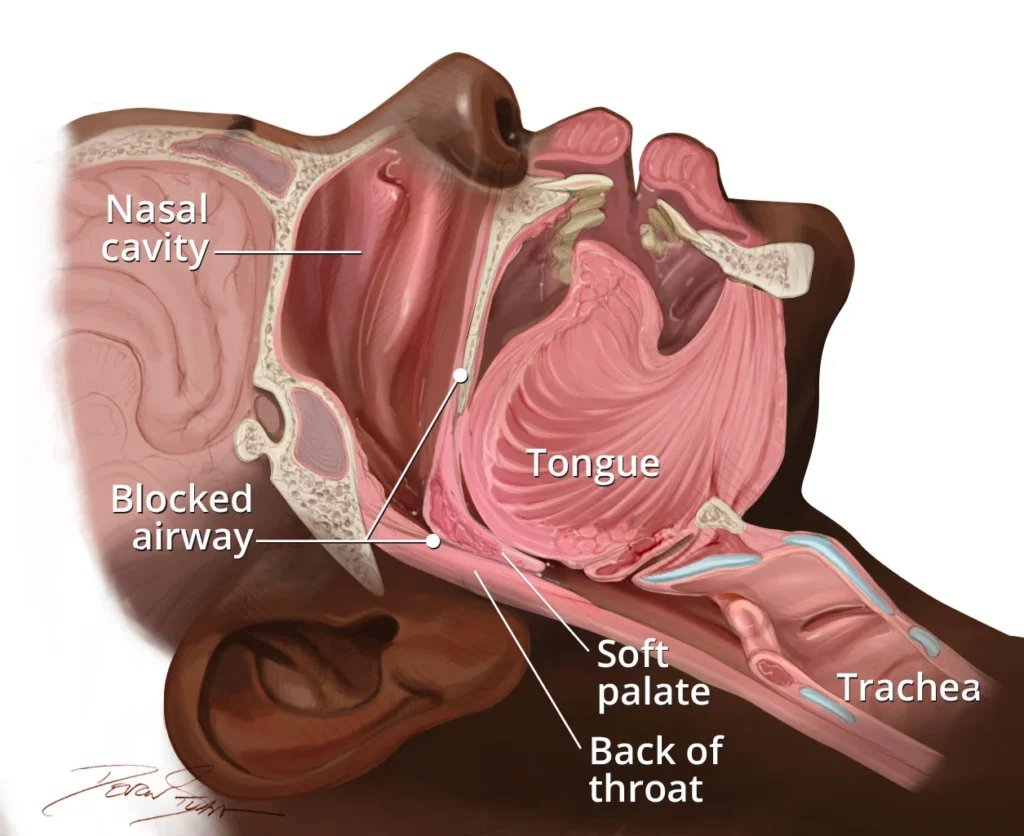
An anti snoring mouthpiece is popular because it targets a common snoring mechanism: the airway narrowing when your jaw relaxes during sleep. Many mouthpieces are designed as mandibular advancement devices (MADs). They gently position the lower jaw forward to help keep the airway more open.
That can reduce the vibration that creates snoring. For some people, fewer snores also means fewer wake-ups. The payoff is often less about “perfect sleep scores” and more about fewer midnight nudges and more normal mornings.
Why mouthpieces are trending alongside sleep gadgets
Right now, a lot of people are collecting sleep tools like they’re packing a carry-on: tracker ring, white noise, blackout mask, magnesium, and a new “hack” every week. The downside is performance pressure. If your bedtime routine feels like a lab protocol, your brain may stay on alert.
A mouthpiece is different because it’s not a metric. It’s a physical intervention. If it helps, you’ll usually notice in real life: less partner frustration, less self-consciousness on trips, and fewer jokes about sleeping on the couch.
Is it safe and legit to try a mandibular advancement mouthpiece?
People are asking this more often, especially as product reviews and clinical-style writeups circulate online. The grounded answer is: mouthpieces are commonly used, but they aren’t one-size-fits-all.
When a mouthpiece may be a reasonable next step
- You snore most nights and want a non-invasive option
- You can breathe through your nose reasonably well
- You don’t have major jaw pain, loose teeth, or active dental issues
When to pause and ask a professional first
- Suspected sleep apnea symptoms (pauses in breathing, gasping)
- Significant TMJ pain, jaw clicking with pain, or bite concerns
- Dental problems that make retention difficult (crowns, loose teeth)
Comfort matters. Fit matters more. If you push through sharp pain, you’re not being disciplined. You’re ignoring a signal.
What should couples talk about before trying one?
Snoring is a shared problem, but it can turn personal fast. One person feels blamed. The other feels deprived. A quick conversation can keep the solution from becoming another stressor.
Use a “team” script (less blame, more data)
- Define the goal: “Let’s both get more uninterrupted sleep.”
- Pick a test window: “Let’s try this for 10–14 nights.”
- Agree on feedback: “Tell me if snoring drops, not just if it’s still there.”
- Plan a backup: guest room, earplugs, or earlier bedtime during the trial
This helps avoid the nightly play-by-play. It also reduces the pressure that makes “sleepmaxxing” so exhausting.
How do I choose an anti-snoring mouthpiece without overthinking it?
Skip the rabbit hole. Focus on a few practical filters: adjustability, comfort, and clear use instructions. You’re aiming for something you’ll actually wear at 2 a.m., not a gadget that looks impressive on a nightstand.
If you want a starting point to compare styles, materials, and typical features, see anti snoring mouthpiece.
Quick reality checks before you buy
- Don’t chase perfection: “Quieter” is still a win.
- Expect an adjustment period: mild soreness can happen early on.
- Watch for red flags: persistent jaw pain or bite changes mean stop and reassess.
FAQ: fast answers people keep asking
Can an anti snoring mouthpiece help with sleep apnea?
It may help some people with mild to moderate obstructive sleep apnea, but you should get evaluated because untreated sleep apnea can be serious.
How long does it take to get used to a mandibular advancement mouthpiece?
Many people adjust over several nights to a few weeks. Start gradually and stop if you develop significant jaw pain or bite changes.
Are anti-snoring mouthpieces safe?
They’re commonly used, but safety depends on fit, dental health, and jaw comfort. If you have TMJ issues, loose teeth, or dental pain, ask a clinician first.
What if my partner says I still snore with a mouthpiece?
Check fit, sleeping position, alcohol timing, and nasal congestion. If loud snoring persists or you have choking/gasping, get screened for sleep apnea.
Do sleep trackers actually improve sleep quality?
They can help you notice patterns, but “sleepmaxxing” can backfire if it increases anxiety. Use trends, not perfection, as the goal.
Next step: make the decision simple
If snoring is creating tension, treat it like any shared household problem. Pick one change, test it, and review results together. An anti-snoring mouthpiece can be a practical first tool, especially when you want something more tangible than another sleep app.
How do anti-snoring mouthpieces work?
Medical disclaimer: This article is for general education and does not provide medical advice. Snoring can be a sign of obstructive sleep apnea or other health issues. If you have choking/gasping, breathing pauses, significant daytime sleepiness, jaw pain, or dental concerns, talk with a qualified clinician or dentist for personalized guidance.