
At 2:13 a.m., someone on a red-eye finally drifts off. Ten minutes later, the snoring starts. The seatmate pretends to scroll, the aisle light flicks on, and a tired joke gets texted to a group chat: “New sleep gadget trend: noise-canceling relationships.”
Snoring has become a weird cultural punchline lately. It shows up in gadget roundups, burnout conversations, and couple humor. It also shows up in real life as broken sleep, cranky mornings, and people searching for an anti snoring mouthpiece that actually feels doable.
This guide stays practical. Use the “if…then…” branches below to decide what to try, what to skip, and when to get checked.
First: what snoring is doing to your sleep quality
Snoring is noisy airflow through partially blocked upper airways. That noise is annoying, but the bigger issue is what it can do to sleep depth and continuity.
Even when you don’t fully wake up, micro-arousals can fragment sleep. That can feel like “I slept eight hours, but I’m still tired.” It can also amplify workplace burnout vibes fast.
Decision guide: if…then…what to try next
If your snoring is worse on your back, then start with positioning
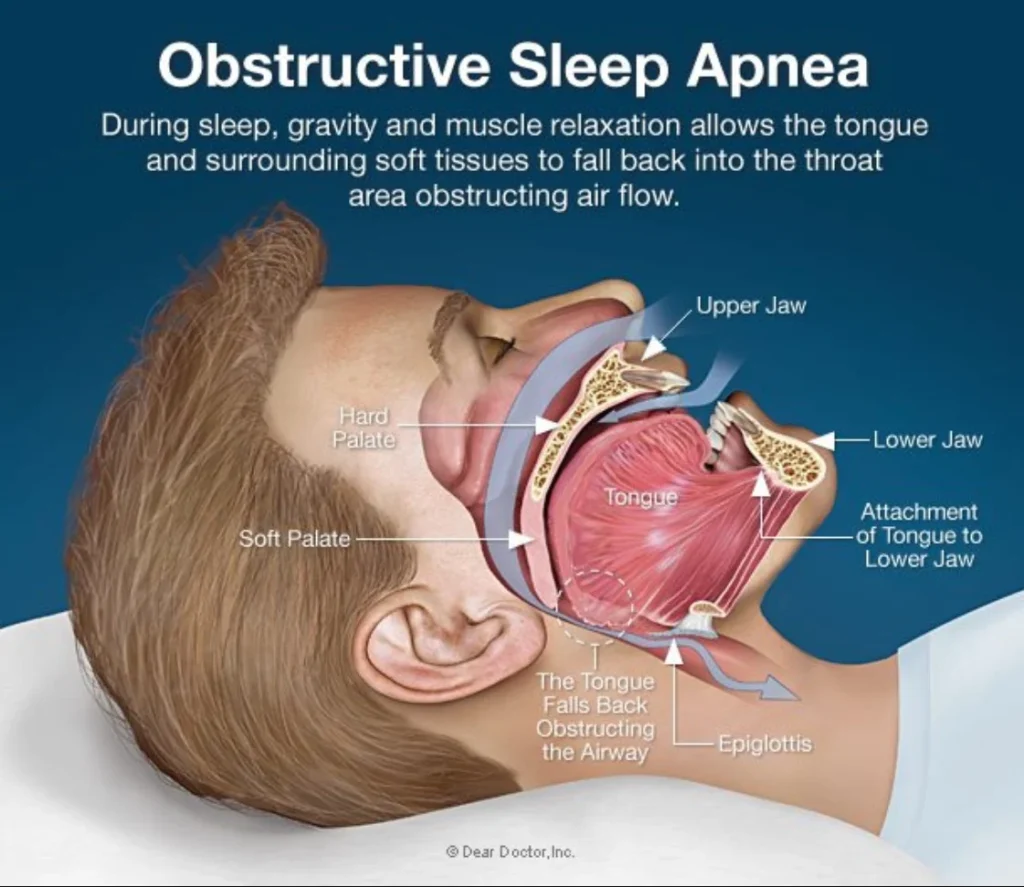
Back-sleeping often makes the tongue and soft tissues fall backward. If that’s you, try a side-sleep setup before you buy anything complicated.
- Use pillow support that keeps your head and neck neutral, not cranked forward.
- Prop your torso slightly if reflux or congestion is part of the story.
- Make the room less dry. Dry air can irritate tissues and worsen noise.
If positioning helps but doesn’t solve it, a mouthpiece may still be useful. It can act like a “mechanical assist” for airway space.
If your partner says it’s “teeth-rattling” snoring, then look at airway support tools
This is where mouthpieces get a lot of attention. Many anti-snoring mouthpieces work by gently bringing the lower jaw forward (often called mandibular advancement). That can reduce airway collapse for some people.
Another category supports the tongue position. The goal is similar: keep airflow smoother so vibration drops.
Want a cultural note? Mouth taping has been trending in sleep circles, but safety questions come up for a reason. If you’re curious about the discussion, see this general explainer: Taping your mouth shut to stop snoring is a thing — but is it safe? Experts weigh in. If you have nasal blockage, allergies, or any breathing concerns, don’t experiment without medical guidance.
If you wake up with jaw soreness, then prioritize comfort and adjustability
Comfort decides compliance. If you can’t tolerate a device, it won’t help your sleep quality long-term.
- Look for a fit that feels stable without needing to clamp your bite.
- Use small adjustments. Big jumps forward can feel rough.
- Expect an adaptation period. A few nights of “this feels weird” is common.
If you want an option that pairs oral positioning with extra support, consider an anti snoring mouthpiece. Some sleepers like the added stability, especially when travel fatigue makes them slack-jawed on their back.
If your nose is the bottleneck, then address airflow before you blame your mouth
When you can’t breathe well through your nose, you tend to mouth-breathe. That can dry tissues and worsen snoring. It can also make any mouth-based approach less comfortable.
- Keep the bedroom clean of obvious irritants (dust, pet dander near bedding).
- Consider humidification if you wake up dry or scratchy.
- During colds or allergy flares, your “best solution” may change nightly.
If alcohol or late heavy meals are in the mix, then change timing first
Alcohol can relax airway muscles and intensify snoring. Big late meals can also disrupt sleep and worsen reflux, which may aggravate the upper airway.
If your snoring is “weekend-only” or “post-happy-hour,” start there. A mouthpiece can still help, but it won’t fully offset habits that push the airway toward collapse.
If you notice pauses, gasping, or daytime sleepiness, then treat it as a red flag
Snoring can be harmless. It can also show up alongside sleep apnea symptoms. If your bed partner reports breathing pauses, choking, or gasping, or if you’re fighting sleep at your desk, get evaluated.
That’s not about panic. It’s about not missing something that needs clinical care.
How to make an anti-snoring mouthpiece more likely to work (ICI basics)
Think in three levers: ICI—Incremental fit, Comfort, and Improved positioning. The details matter.
Incremental fit: small moves beat big moves
If your mouthpiece is adjustable, advance slowly. Give each setting a few nights. Your jaw and bite need time to adapt.
Comfort: the “all night” test
A device that works for 90 minutes but ends up on the nightstand at 1 a.m. won’t improve your sleep. Watch for hotspots on gums, tooth pressure, or jaw tension.
Improved positioning: aim for stable, not forced
The goal is gentle support that keeps the airway more open. Over-tightening or forcing the jaw forward can backfire by causing soreness and disrupted sleep.
Cleanup and care: keep it simple so you’ll stick with it
Low-friction routines win. Rinse after use, clean with a mild method recommended by the manufacturer, and let it dry fully.
Avoid harsh heat and aggressive chemicals unless the product instructions say they’re safe. A warped device becomes a comfort problem fast.
Quick reality check: what mouthpieces can and can’t do
A mouthpiece may reduce snoring volume and improve sleep continuity when anatomy and positioning are the main drivers. It won’t fix every cause of snoring. Congestion, alcohol, and untreated sleep apnea need different solutions.
FAQs
Do anti-snoring mouthpieces work for everyone?
No. They’re best when jaw or tongue position contributes to snoring. Other causes may need other approaches.
Is snoring always a sign of sleep apnea?
No, but certain patterns are concerning. Pauses in breathing, gasping, and heavy daytime sleepiness deserve medical attention.
How long does it take to get used to a mouthpiece?
Often several nights to a couple of weeks. Gradual adjustment helps.
Can a mouthpiece help with travel snoring?
Sometimes. Travel tends to increase back-sleeping and fatigue, which can worsen snoring. Portability and comfort drive consistency.
What’s the difference between a mouthguard and an anti-snoring mouthpiece?
A sports mouthguard protects teeth. Anti-snoring mouthpieces aim to improve airflow by changing jaw or tongue position.
When should I stop self-treating and get checked?
If you have breathing pauses, gasping, morning headaches, or significant daytime sleepiness, talk to a clinician.
CTA: pick the next step that matches your nights
If snoring is messing with your energy, your relationship, or your travel recovery, don’t rely on hacks that make breathing feel uncertain. Start with positioning and comfort. Then consider a mouthpiece if your pattern fits.
How do anti-snoring mouthpieces work?
Medical disclaimer: This article is for general education only and isn’t medical advice. Snoring can be a symptom of sleep apnea or other health conditions. If you have choking/gasping, breathing pauses, chest pain, severe daytime sleepiness, or other concerning symptoms, seek evaluation from a qualified clinician.