
Before you try anything for snoring, run this quick checklist.
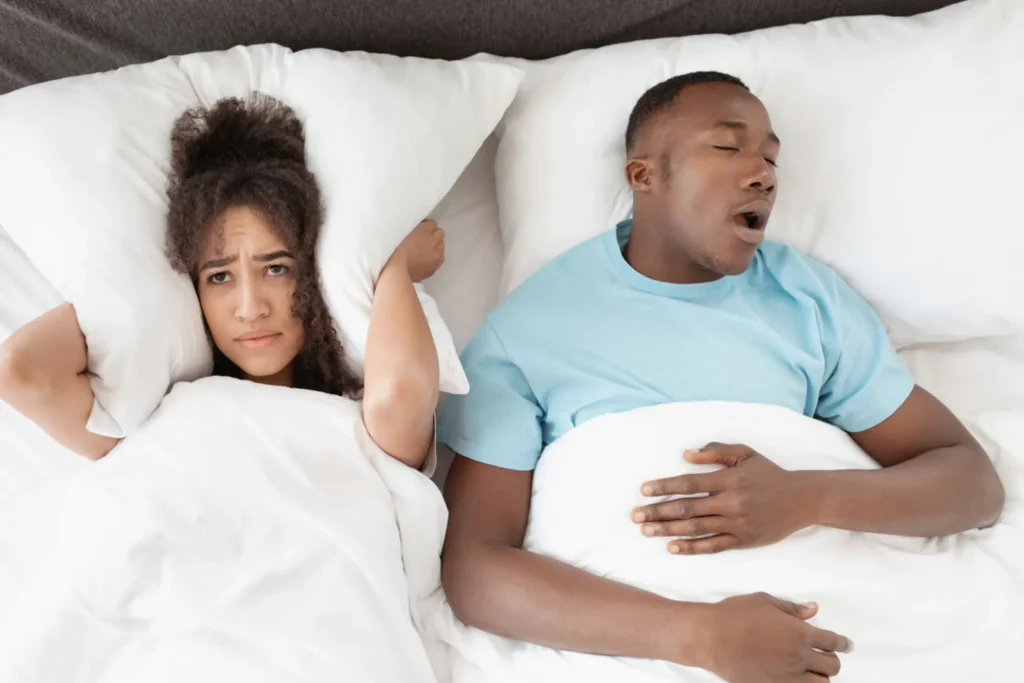
- Is your snoring new? Think: recent weight change, congestion, new meds, or a big stress stretch.
- Is your sleep quality actually improving? Less noise isn’t the same as better rest.
- Are you waking up refreshed? Or just “in bed” longer and still drained?
- Is your partner losing sleep? Relationship tension is a symptom too.
- Any red flags? Choking, gasping, or pauses in breathing need medical attention.
Sleep is having a moment right now. People are buying trackers, testing viral bedtime routines, and debating whether “sleeping in” helps or hurts. At the same time, travel fatigue is back in the mix, and workplace burnout makes every night feel like a high-stakes recovery mission.
If snoring is part of your story, you’re not alone. The good news: you have options. The better news: you can choose them without turning bedtime into a negotiation.
A decision guide: if this is you, then try that
If your partner says the snoring is loud… then start with the pattern
Ask two simple questions: When is it worst, and how does it sound? “Chainsaw all night” is different from “only after midnight” or “only on your back.” Those clues point you toward the right fix.
Also, keep the tone kind. Snoring isn’t a character flaw. It’s airflow plus anatomy plus lifestyle, and it can change over time.
If snoring is worse on your back… then consider positional tweaks first
Back-sleeping often makes the airway more collapsible. Before you buy another gadget, try a pillow change, side-sleep support, or a simple positional habit. This is the lowest-effort branch of the decision tree.
If positional changes help but don’t solve it, that’s a useful signal. It suggests airflow mechanics are involved, not just “being tired.”
If you wake up with a dry mouth… then mouth-breathing may be part of it
Dry mouth in the morning can mean you’re sleeping with your mouth open. That can make snoring louder and sleep feel lighter. It can also turn mornings into a sore-throat routine.
In this scenario, a solution that supports nasal breathing and keeps the jaw from dropping may be worth exploring. Comfort matters here. If you feel “trapped,” you won’t stick with it.
If you’re trying to “catch up” by staying in bed longer… then focus on wake-up comfort instead
One trend getting attention is the idea that more time in bed doesn’t always mean better rest. For some people, stretching mornings can backfire. You may drift in and out of light sleep and wake up groggier.
Instead, aim for a consistent wake time and a gentler ramp-up. Light, hydration, and a few minutes of movement can beat the “snooze spiral,” especially during stressful seasons.
If snoring is paired with daytime sleepiness… then treat it as a health signal
Snoring plus fatigue can be a sign your sleep is getting interrupted. If you also have morning headaches, witnessed breathing pauses, or you doze off easily, don’t guess.
Use credible guidance and talk to a clinician about screening. Here’s a helpful reference to review: Staying in bed longer is actually bad for you: Here is how to wake up comfortably.
If your snoring seems jaw-related… then an anti snoring mouthpiece may be a fit
An anti snoring mouthpiece is often designed to support airflow by influencing jaw position during sleep. Many people look into these after they’ve tried “quick fixes” and realized the issue keeps coming back.
Think of it like this: sleep gadgets measure the problem, but a mouthpiece attempts to change the mechanics behind it. That’s why fit and comfort are non-negotiable.
- Good sign: Snoring improves when your jaw is supported or when you sleep on your side.
- Mixed sign: Snoring improves, but you wake up with jaw soreness or tooth pressure.
- Stop sign: You suspect breathing pauses, or you feel unsafe using any device without guidance.
If you want a combined approach… then look at a mouthpiece + chin support option
Some sleepers want one setup that addresses jaw positioning and mouth opening together. If that matches your pattern, you can review an anti snoring mouthpiece as a starting point.
Keep expectations realistic. Even the best setup can fail if you’re congested, overtired from travel, or drinking alcohol close to bedtime. Sleep is a system, not a single purchase.
What people are talking about right now (and why it matters)
Sleep tech is everywhere. Trackers, smart rings, and “sleep scores” can be motivating. They can also make you anxious about bedtime. If you’re checking stats like email, you’re not the only one.
Burnout is changing nights. Stress doesn’t just keep you awake. It can make sleep lighter and more fragmented, which makes snoring feel louder in the room.
Relationship humor is real. Couples joke about “sleep divorce,” earplugs, and pillow walls. Under the joke is a real need: both people deserve rest. A calm plan beats nightly arguments.
FAQ: quick answers before you commit
Are mouthpieces safe? Safety depends on fit, your dental health, and your symptoms. If you have jaw pain, dental issues, or possible sleep apnea signs, get professional input.
Will a mouthpiece fix my sleep quality? It can reduce snoring for some people, which may help sleep continuity. Still, sleep quality also depends on schedule, stress, caffeine timing, and breathing health.
What if I travel a lot? Travel fatigue can worsen snoring because routines shift and sleep gets lighter. A portable, consistent setup helps, but don’t ignore congestion and dehydration.
Next step: choose a calmer bedtime plan
You don’t need a dozen gadgets. You need a decision that fits your body and your household. If your snoring is straining sleep and communication, start with the simplest branch, then step up only if needed.
How do anti-snoring mouthpieces work?
Medical disclaimer: This article is for general education and is not medical advice. Snoring can be a symptom of a medical condition, including sleep apnea. If you have breathing pauses, choking/gasping, chest pain, severe daytime sleepiness, or persistent symptoms, seek evaluation from a qualified healthcare professional.